
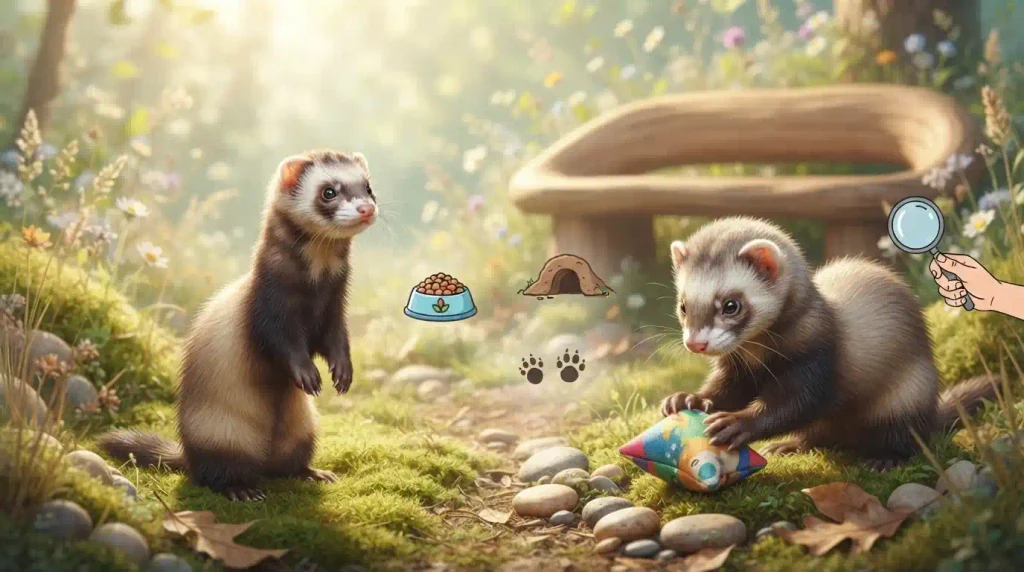
Ferret fun facts include their famous “weasel war dance,” their long sleep cycles of up to 18 hours daily, and their historical role as domestic hunters. Belonging to the mustelid family, ferrets possess flexible spines and high intelligence, making them energetic, curious, and playful domestic companions.
Ever watched a tiny, furry noodle bound across the living room carpet with pure energy? Exploring ferret fun facts reveals just how quirky, clever, and endlessly entertaining these little animals truly are.
When you take a closer look at their daily habits, learning ferret fun facts helps you appreciate their unique personalities even more. They are mischievous thieves, tireless explorers, and surprisingly affection-seeking pets all rolled into one.
Discovering these charming traits will make you fall in love with their playful antics every single day. Let us check out these fascinating ferret fun facts behind these curious domestic critters right now!
The Unique Biology and Physiology of Ferrets
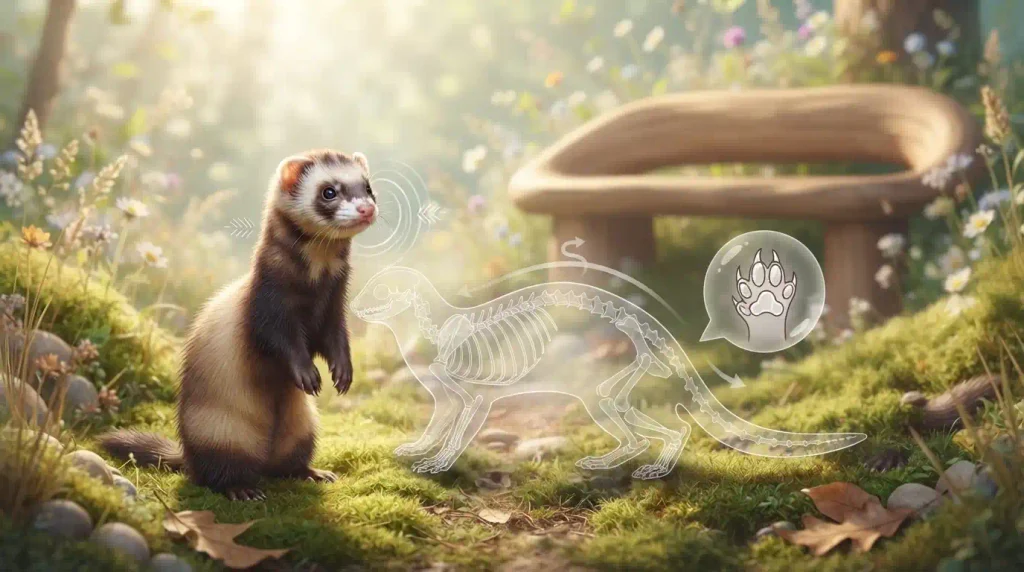
Ferrets are elongated carnivores that belong to the Mustelidae family, sharing ancestry with otters, badgers, and weasels. Their long bodies and short legs make them perfectly shaped for maneuvering through tight spaces and burrows.
Flexible Spines and Burrowing Abilities
A ferret’s spine is incredibly flexible, allowing it to bend almost completely in half inside narrow tunnels. This anatomical superpower helped their wild ancestors hunt underground rodents with incredible agility.
Extreme Sleep Schedules
Despite their hyperactive bursts of energy, ferrets are world-class sleepers who rest for 14 to 18 hours every day. They sleep so deeply that owners often panic, thinking they are sick, a harmless phenomenon known as dead sleep.
Understanding “Dead Sleep”
During deep sleep phases, a ferret’s body goes completely limp and will not wake up even when picked up gently. This is a totally normal way for their body to recharge after intense hours of playing.
Crepuscular Activity Patterns
Ferrets are crepuscular creatures, meaning they are naturally most active during dusk and dawn hours. Their internal clock aligns perfectly with early morning play sessions and evening wind-down routines.
Surprising Behavioral Quirks and Play Patterns
If you have ever spent five minutes watching a ferret play, you know their behavior is full of hilarious surprises.
The Famous Weasel War Dance
When ferrets get extremely happy or excited, they perform a frantic, sideways hopping movement called the weasel war dance. They puff out their tails, arch their backs, and bounce off walls to invite everyone to join the play.
Stealing and Stashing Treasures
Ferrets are natural hoarders who love collecting shiny or soft household objects like socks, keys, and rubber shoes. They drag these stolen goods into secret hiding spots under couches, beds, or behind cabinets.
The Language of “Dooking”
When a ferret is enjoying itself, it makes a soft, low chuckling sound called dooking. Hearing this happy sound during playtime means your furry friend feels safe, entertained, and completely content.
Historical Roles of Ferrets in Human Society

Ferrets have lived alongside humans for over 2,000 years, serving important working roles before becoming beloved indoor pets.
Ancient Hunting Partners
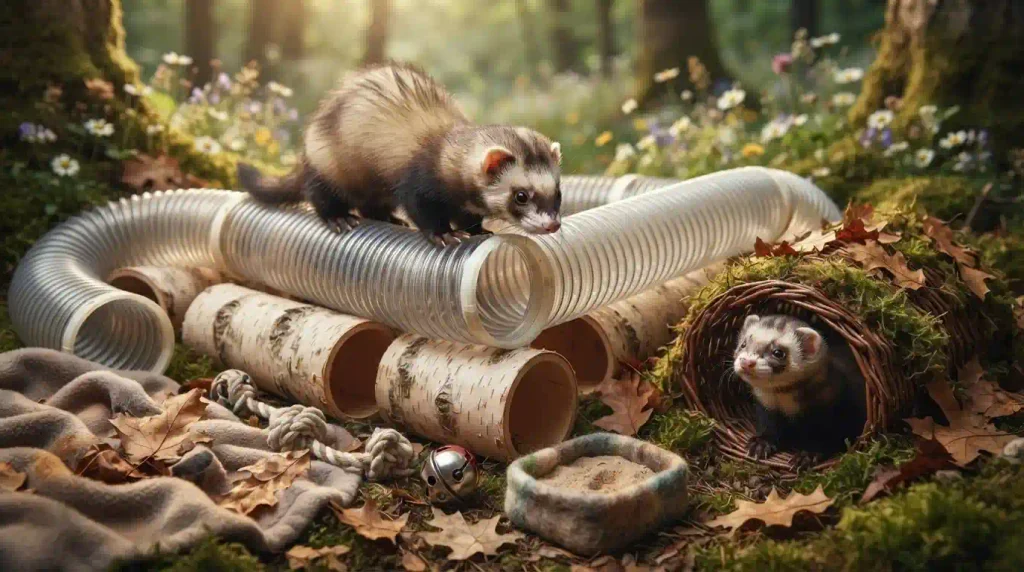
Historically, people used ferrets for ferreting, which involved sending them down rabbit burrows to flush out pests. Their slender bodies made them the ultimate natural exterminators for farms and storage granaries.
Running Wires and Cables
Because of their instinct to navigate narrow tubes, ferrets have been used to pull electrical wires through long pipes. They helped run cables for historical aviation projects, television broadcasts, and major event stages.
Ferrets in Modern Science
Ferrets have also played a crucial role in medical research due to their anatomical similarities to humans regarding respiratory systems. Studying their response to airborne viruses has helped scientists develop better flu treatments.
The Origin of Domestic Ferrets
Domestic ferrets descend from the European polecat and were domesticated centuries ago. Unlike wild polecats, domestic ferrets rely entirely on human care for survival and cannot survive on their own outdoors.
Caring for an Energetic Ferret at Home
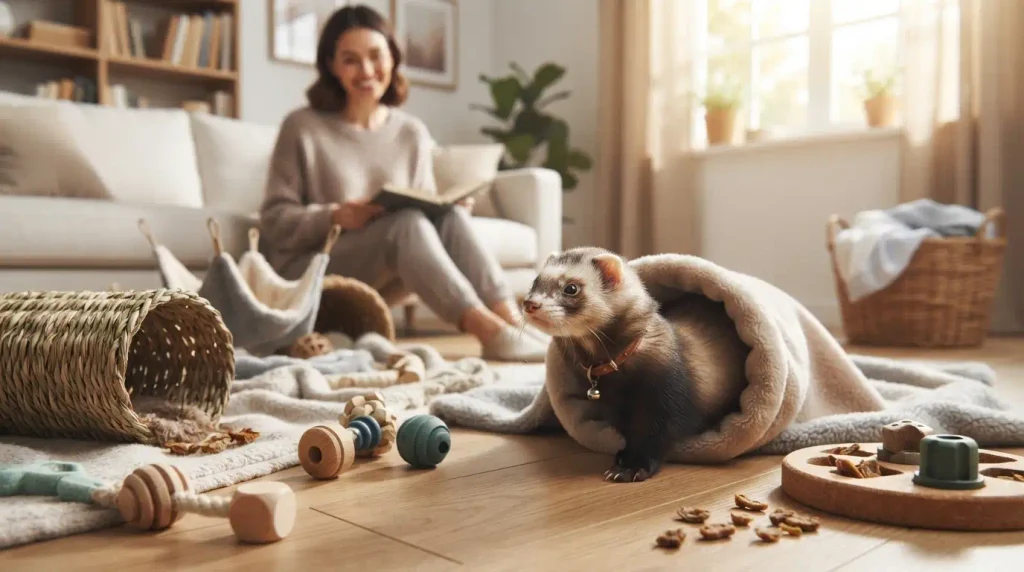
Bringing a ferret into your home requires specialized care, safety planning, and plenty of interactive entertainment.
Ferret-Proofing Your Living Space
Because ferrets can squeeze through tiny holes no bigger than a toilet paper roll, ferret-proofing your home is essential. You must block cabinet gaps, cover air vents, and remove small rubber items that could be swallowed.
Diet and Nutrition Essentials
Ferrets are obligate carnivores, meaning their bodies require high-protein, high-fat diets with zero plant matter. Feeding them grain-free meat diets keeps their digestive systems healthy and energy levels stable.
Social Life and Group Dynamics
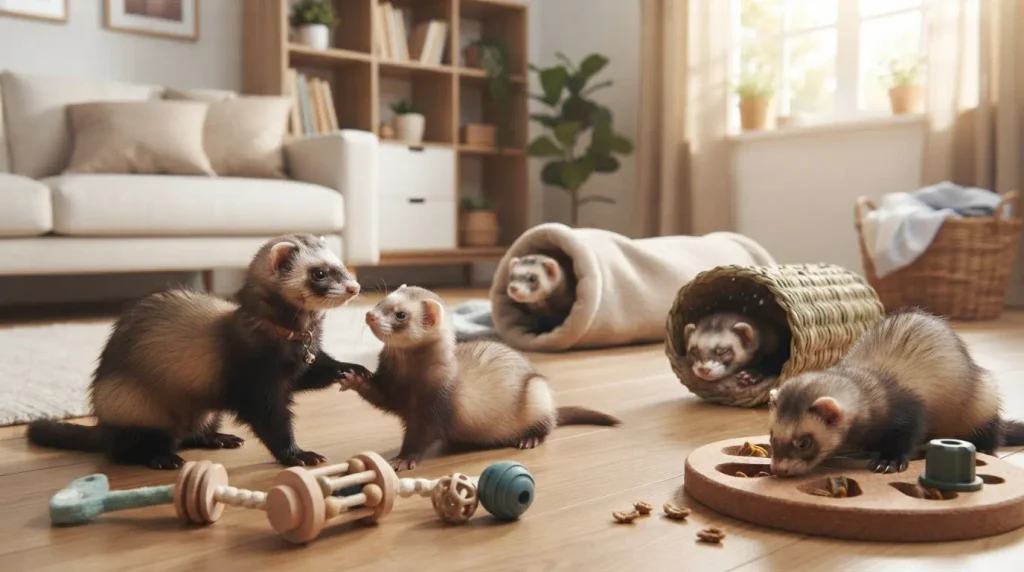
Ferrets are surprisingly social animals that thrive when living in pairs or small groups known as a business.
Why They Are Called a “Business”
A group of ferrets is officially referred to as a business of ferrets. This quirky term highlights their busy, industrious nature as they explore their environment together in groups.
Introducing New Playmates
While ferrets love companionship, introducing a new ferret requires gradual scent swaps and supervised play sessions. Once they bond, they groom each other, sleep in big cuddle piles, and play together endlessly.
Practice Exercise
- Belonging to the Mustelidae family, what wild animal is a close relative of the ferret?
A. Domestic Cat
B. Otter
C. Golden Retriever
D. Fruit Bat - How many hours a day can a healthy ferret spend sleeping?
A. 2 to 4 hours
B. 6 to 8 hours
C. 14 to 18 hours
D. 22 to 24 hours - What is the frantic, sideways hopping movement ferrets perform when excited called?
A. The ferret shuffle
B. The weasel war dance
C. The polecat slide
D. The tunnel sprint - What is the official collective noun used for a group of ferrets?
A. A herd
B. A flock
C. A business
D. A pack - What distinct chuckling sound do ferrets make when they are happy and playing?
A. Purring
B. Dooking
C. Barking
D. Hissing - Why were ferrets historically used in electrical and television wiring projects?
A. Their fur generates static electricity
B. They naturally navigate narrow pipes while pulling lightweight lines
C. They can weld metal wires with their teeth
D. They chew through old copper pipes - What type of dietary classification do ferrets strictly belong to?
A. Herbivores
B. Obligate Carnivores
C. Insectivores
D. Omnivores
Answer Key: 1-B, 2-C, 3-B, 4-C, 5-B, 6-B, 7-B
FAQs
Do ferrets make good household pets for beginners?
Ferrets make wonderful pets for dedicated owners, but they require significant time, supervision, and ferret-proofing. Their high energy levels, specific meat diets, and need for daily play mean they require more care than small caged rodents.
Why do ferrets like to steal and hide household objects?
Stealing items is an instinctive hoarding behavior rooted in their natural desire to collect resources for safe nesting. They target soft, rubbery, or shiny items and store them in secure, dark hiding spots around your home.
How long do domestic ferrets usually live?
Domestic ferrets typically have a lifespan of 6 to 10 years when provided with proper nutrition, annual vet checkups, and a safe environment. Good care and regular exercise help ensure they live long, happy, and playful lives.
Why do ferrets have a distinct natural musk smell?
Ferrets possess natural skin glands that secrete oils to keep their fur healthy, which creates a mild musky scent. Regular cage cleaning and a proper diet manage this scent far better than frequent bathing, which actually increases oil production.
Can ferrets get along well with cats and dogs?
Ferrets can sometimes coexist with cats and dogs under strict supervision, but caution is always necessary. Because ferrets have strong hunting instincts and small bodies, interactions should always be carefully managed to keep everyone safe.
Conclusion
Learning fascinating ferret fun facts shows just how much joy, humor, and intelligence these little creatures bring into our lives. From their silly weasel war dance to their ancient history as working companions, ferrets are truly one of a kind.
Taking the time to discover these ferret fun facts helps you understand their unique personalities and care needs much better. They thrive on interactive play, routine exploration, and a loving environment where their playful curiosity can shine.
If you are thinking about adding a business of ferrets to your home, prepare for endless laughter, hidden socks, and warm cuddle piles. Embracing their quirky habits and sharing these amazing ferret fun facts makes every single day an unforgettable adventure!

Ghzala Rani is the creator and writer behind Funzonest.com, a website dedicated to making everyday topics more enjoyable, interesting, and easy to understand. With a passion for engaging content, Ghzala focuses on creating helpful articles that inform, entertain, and provide readers with useful ideas and insights.
Through Funzonest.com, Ghzala Rani aims to build a friendly online space where readers can discover fresh content and explore topics presented in a simple and enjoyable way. Her writing style focuses on clarity, originality, and reader value. She is committed to publishing well-researched and engaging content that keeps visitors informed while making their time on the website enjoyable.