
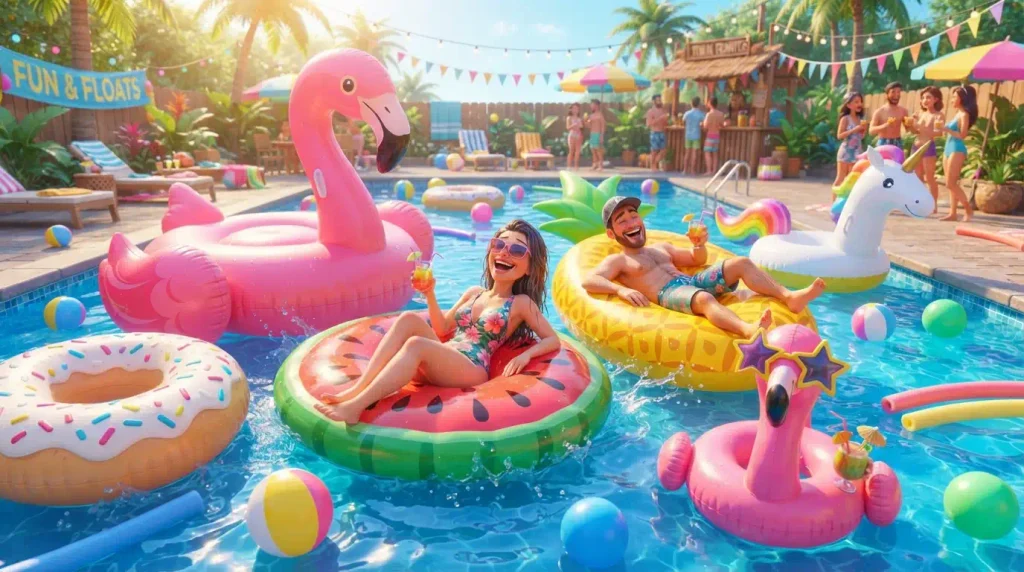
Enjoying fun and floats means combining high-quality inflatable water loungers with smart safety practices, creative games, and proper maintenance. Whether floating down a calm lazy river or lounging in a backyard pool, picking durable materials and keeping inflation levels balanced ensures hours of relaxing, stress-free outdoor entertainment.
Picture yourself drifting effortlessly across cool, clear water under a sunny sky without a single care in the world. Combining sunny afternoon fun and floats creates the ultimate recipe for outdoor relaxation and memorable summer gatherings.
Whether hosting a backyard pool party or spending a lazy weekend at the lake, bringing the right fun and floats along instantly upgrades your experience. From giant colorful flamingo loungers to floating drink caddies, water play offers endless enjoyment for all ages.
Planning a day around fun and floats requires just a tiny bit of preparation to keep everyone safe and comfortable. Let us walk through everything you need to know to make your next water adventure absolute perfection.
The Physics of Floating Made Simple
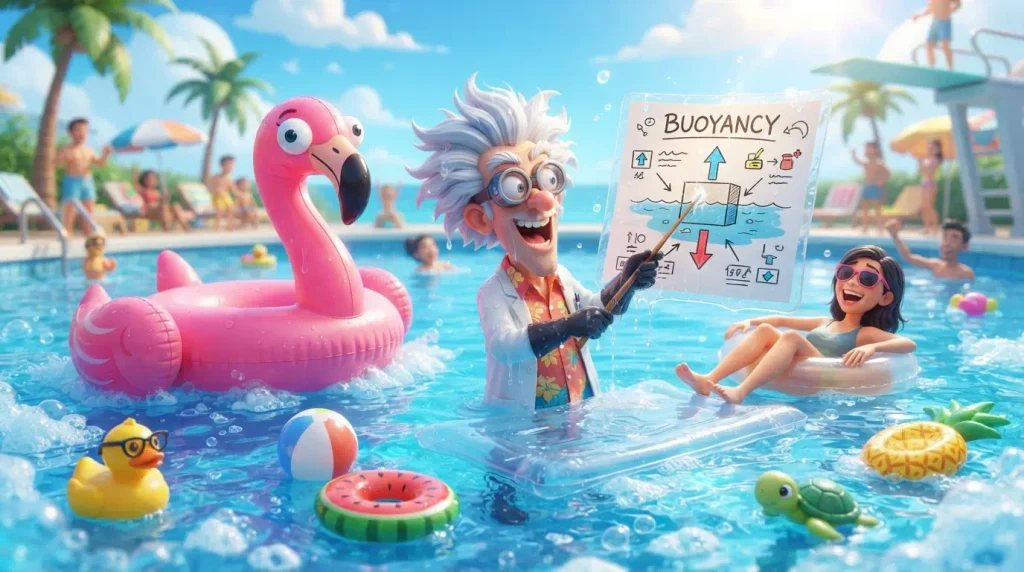
Have you ever wondered why a lightweight vinyl tube filled with air can effortlessly support a full-grown adult on top of the water? It all comes down to a fundamental law of physics called buoyancy, discovered over two thousand years ago by an ancient Greek scientist named Archimedes.
When an object enters the water, it pushes some of that water out of the way to make room for itself. If the total weight of the displaced water equals or exceeds the weight of the object, that object floats seamlessly on the surface.
How Inflatables Trapped Air Creates Buoyancy
Inflatable water toys are essentially flexible envelopes engineered to trap massive volumes of low-density air. Because air weighs significantly less than water, the combined density of vinyl and trapped air is far lighter than the volume of water displaced.
This dramatic difference in density generates a strong upward push called buoyant force. This upward thrust easily counteracts gravity, keeping you balanced, dry, and riding high above the surface.
Weight Distribution and Balance Factors
Staying upright on an inflatable lounger requires maintaining a low center of gravity directly above the center of buoyancy. If you lean too far toward one side, the upward buoyant push becomes unbalanced, causing the float to tip over quickly.
Broader floats distribute weight across a wider surface area, providing much greater stability than long, narrow tubes. Matching your body weight to the float size prevents unwanted flipping and keeps your ride smooth.
Choosing the Best Materials for Durability and Safety
Not all pool loungers are built the same, and picking the wrong material can lead to unexpected pops, leaks, and ruined afternoons. Understanding what goes into making high-quality water gear ensures your investment lasts for many seasons of sunshine.
Investing in heavy-duty construction protects your budget while keeping safety front and center during active water games.
Standard PVC Vinyl vs. Heavy-Duty Fabric Coatings
Basic pool toys use thin Polyvinyl Chloride (PVC) vinyl, which feels light and works fine for gentle backyard pool use. However, standard PVC is vulnerable to punctures from sharp pebbles, concrete edges, or pet claws.
Heavy-duty inflatables often feature thick gauge PVC reinforced with a woven fabric outer cover. This durable canvas shield protects the air bladder underneath from ultraviolet sun damage, rough surfaces, and accidental tears.
Multi-Chamber Design for Added Safety
High-end loungers feature multiple independent air chambers rather than a single large cavity. Each chamber inflates through its own valve, creating separate air pockets throughout the frame.
If a sharp twig punctures one section, the remaining inflated chambers keep the float resting safely on the surface. This crucial safety feature buys you plenty of time to paddle back to shore without sinking.
Essential Gear for Inflating and Packing Up
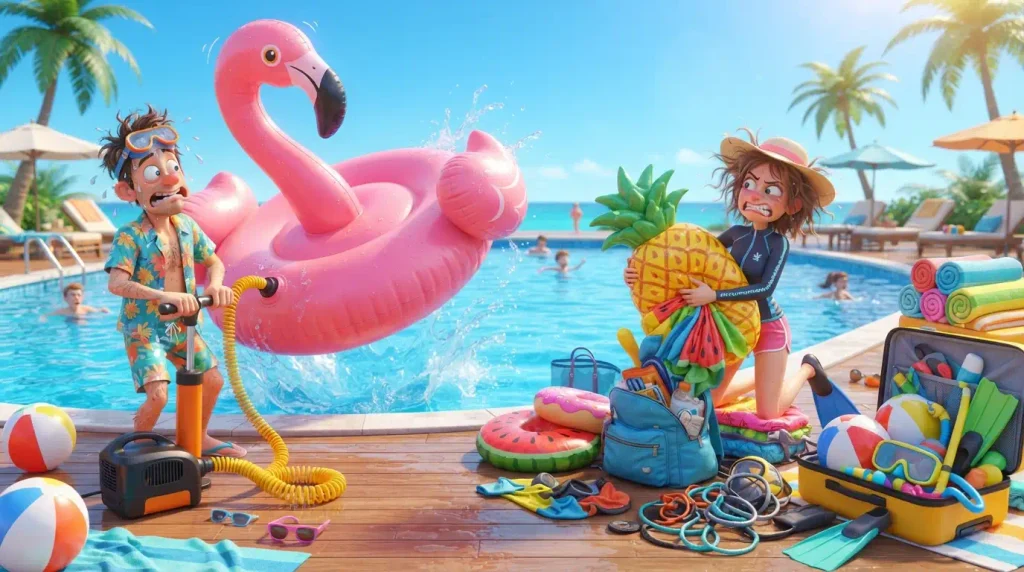
Inflating a massive floating island using only lungs can take forever and leave you feeling dizzy before the day even begins. Having the right tools on hand makes setup and breakdown fast, easy, and stress-free.
A little planning saves valuable energy so you can spend more time relaxing on the water with friends.
- Electric Air Pumps: High-flow electric pumps plug into car outlets or wall sockets, inflating massive loungers in under two minutes.
- Dual-Action Hand Pumps: Manual pumps push air into the valve on both the push and pull strokes, working twice as fast as basic pumps.
- Quick-Deflate Valves: Wide-mouth Boston valves allow trapped air to dump out instantly, making packing up a breeze.
- Microfiber Towels and Storage Bags: Wiping down gear before storing it in breathable bags prevents mold growth and bad smells.
Creative Pool Party Ideas for Endless Entertainment
Transforming a simple afternoon into an unforgettable event takes a pinch of creativity and the right collection of water toys. Bringing people together around interactive water games creates shared laughter and great summer memories.
Planning themed activities keeps guests engaged whether they prefer relaxing lazily or participating in active water sports.
Setting Up Water Obstacle Courses
You can connect several large flat floats using soft nylon ropes to build a custom water obstacle course. Challenge family members to balance, crawl, or slide across the floating track without slipping off into the deep end.
Time each participant with a stopwatch to add a friendly competitive edge to your backyard gathering. This activity builds balance skills while keeping everyone cool, active, and entertained for hours.
Hosting a Floating Movie Night
Floating movie nights are one of the most magical ways to enjoy warm summer evenings in your pool. Set up a portable projector facing a white bedsheet or outdoor screen near the shallow end of the pool.
Hand out comfortable floating armchairs and floating cup holders so guests can lounge under the stars while watching their favorite films. Keep ambient outdoor lights dim to create a cozy, cinema-like atmosphere on the water.
Comparing Popular Water Inflatable Styles
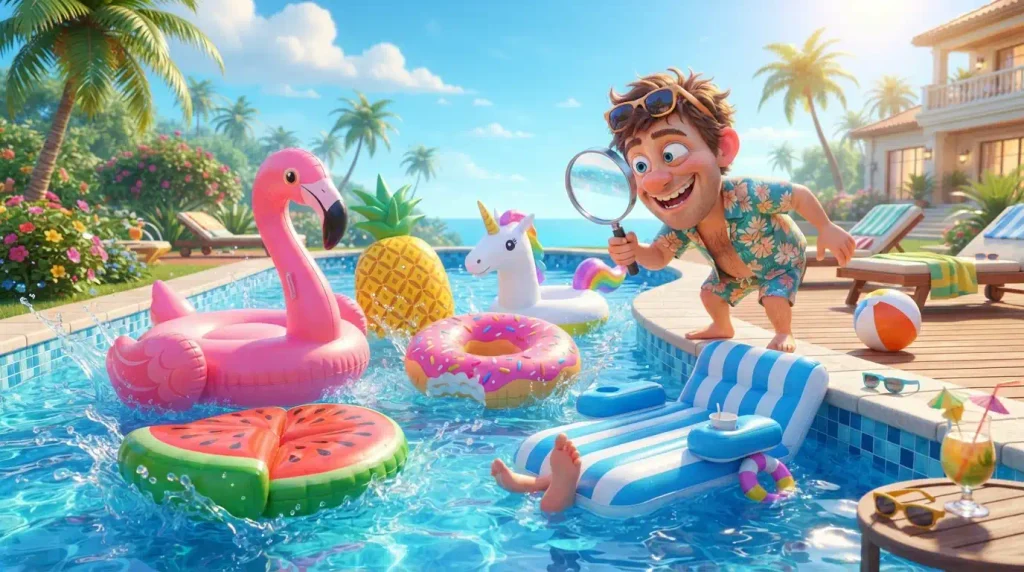
Finding the perfect style of inflatable depends entirely on how you like to spend your time in the water. Some people prefer staying completely dry and elevated above the surface, while others love floating partially submerged to stay cool during scorching hot summer days. From simple solitary lounger designs to massive party islands built for groups, exploring different shapes helps you choose the best fit for your swimming setup and relaxation goals.
Classic Rings and Doughnut Loungers
Classic doughnut rings and circular tubes are the most versatile and timeless choices for quick pool dips or river trips. Their open-center design allows you to sit inside comfortably, drape your legs over the edges, or drop down into the water whenever you need a quick cool-off. Because they are lightweight and pack down small, these classic designs are ideal for traveling to the beach or lake without taking up precious trunk space.
Fabric-Covered Loungers and Armchairs
If all-day relaxation and ergonomic support are your top priorities, fabric-covered lounge chairs offer the ultimate floating experience. These models usually feature structured backrests, comfortable armrests, and built-in cup holders to keep refreshing drinks close at hand. The durable woven outer sleeve shields the inner air bladder from rough pool decks, making these chairs far more puncture-resistant than standard vinyl.
Mesh Hammocks and Semi-Submerged Floats
Mesh hammock loungers feature two inflated air pillows at either end connected by a flexible, durable mesh center seat. This clever design suspends your body just a few inches below the water’s surface, allowing cool water to flow around you while still keeping your head and knees comfortably afloat. They are exceptionally easy to climb onto in deep water, making them a popular choice for adults and anyone looking for low-effort cooling.
River Floating Tips for a Smooth Adventure
Taking your gear out of the calm pool and onto a natural moving river requires extra preparation and awareness. Natural river currents present unique challenges like fallen branches, shallow rocks, and varying water speeds.
Planning your route and knowing river safety basics ensures your group enjoys a thrilling, trouble-free floating trip.
Checking River Flow Rates and Weather Conditions
Always check local river reports before heading out on a floating trip with friends and family. Water speed is measured in cubic feet per second, and high water levels can turn gentle streams into fast, dangerous currents.
Avoid floating on rivers after heavy rainfall, as rising waters carry hidden debris and make navigating around obstacles much harder. Clear skies and gentle current speeds make for the safest, most enjoyable floating conditions.
Navigating Natural Hazards Safely
Keep your eyes scanning downstream for natural hazards like strainers, which are fallen trees or branches trapped in moving water. Water passes through these obstacles, but solid objects like floats and people can get pinned against them.
Steer away from hazard areas early by paddling with your hands or small plastic paddles. Wearing sturdy water shoes protects your feet from sharp river stones whenever you step out in shallow areas.
Proper Maintenance to Extend Product Life
Taking proper care of your water gear prevents leaks, stops color fading, and extends product usability for years. Small habits after every outing keep materials flexible, strong, and ready for your next adventure.
Simple routine maintenance takes only a few minutes but saves you plenty of money on replacement gear over time.
Rinsing Away Chlorine and Saltwater
Chlorine from pools and salt from oceans weaken PVC vinyl over time, making it brittle and prone to cracking. Always rinse your inflatables thoroughly with clean freshwater after every single use to wash away chemical residues.
Let gear dry completely in a shaded area before folding it up. Direct sunlight while drying can heat trapped moisture, causing mold and weakening seam welds.
Finding and Patching Hidden Air Leaks
Finding a tiny pinhole leak in a large inflatable lounger can feel like finding a needle in a haystack. The easiest trick is mixing a few drops of dish soap with water in a spray bottle and misting it over the surface.
Inflate the lounger firmly and spray the soapy mixture over the seams and valves. Tiny soap bubbles will form immediately over the exact spot where air is escaping.
- Clean the leak area thoroughly with rubbing alcohol and let it dry completely.
- Cut a circular vinyl repair patch slightly larger than the hole to prevent peeling edges.
- Apply waterproof vinyl adhesive evenly across the patch and press it firmly over the leak.
- Place a heavy book over the patch and let it cure for twenty-four hours before reinflating.
Overcoming Common Water Safety Concerns
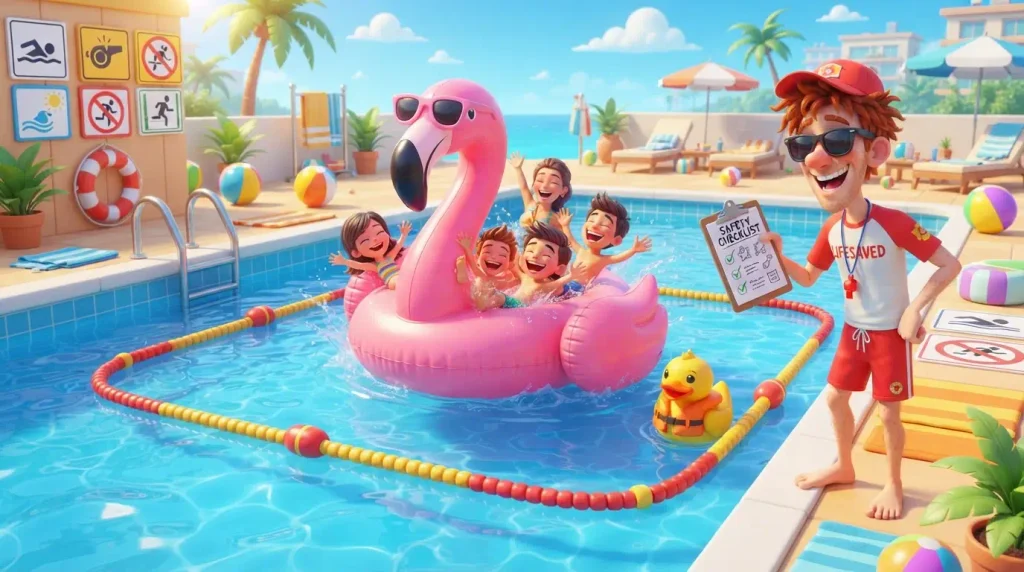
Enjoying time on the water should always go hand-in-hand with smart, practical safety precautions. Understanding potential risks helps you prevent accidents before they happen, keeping everyone relaxed and confident.
Safety rules do not ruin the fun; they ensure that the good times continue without unexpected emergencies.
Sun Protection and Hydration Strategies
Sunlight reflects strongly off water surfaces, multiplying your exposure to harmful ultraviolet rays while floating. Apply broad-spectrum waterproof sunscreen thirty minutes before stepping into the water, and reapply every two hours.
Floating under direct sunlight dehydrates your body quickly, even though you are surrounded by cool water. Keep insulated water bottles tucked into floating cup holders so fresh drinking water is always nearby.
Lifesaving Basics for Open Water
Open water environments like lakes and rivers have unpredictable depths, sudden drop-offs, and changing wind patterns. Children and non-swimmers should always wear properly fitted Coast Guard-approved life jackets while on inflatables.
Strong winds can push lightweight floats far from shore faster than you can swim back against the current. Stay close to designated swimming areas and keep a watchful eye on everyone in your group.
Practice Exercise
Test your knowledge on water play, equipment care, and safety with these practice questions.
- What scientific principle explains why air-filled vinyl toys float on water?
A. Thermal expansion
B. Archimedes principle of buoyancy
C. Gravitational pull
D. Surface tension contraction - Which material offers the highest durability against punctures and ultraviolet damage?
A. Thin single-layer PVC
B. Heavy-duty fabric-coated vinyl
C. Uncoated rubber
D. Recycled plastic film - Why are multi-chamber designs safer than single-chamber inflatables?
A. They inflate ten times faster
B. They use less air overall
C. Remaining chambers keep you afloat if one punctures
D. They are much lighter to carry - What is the main benefit of a mesh hammock-style lounger?
A. It keeps you completely dry above water
B. It holds up to ten people at once
C. It keeps your body partially submerged to stay cool
D. It requires no inflation at all - What simple household item helps locate a hidden pinhole air leak?
A. Rubbing alcohol and cotton
B. Soapy water in a spray bottle
C. Cooking oil and paper towels
D. Baking soda and vinegar - What should you always do before folding and storing inflatables for the season?
A. Leave them inflated in direct sunlight
B. Rinse off chemicals and dry them completely
C. Coat them in petroleum jelly
D. Freeze them overnight - Why should non-swimmers wear life jackets even on large floating loungers?
A. It is required for balance
B. Floats can flip unexpectedly or lose air pressure
C. Life jackets prevent sunburn
D. It makes paddling much faster - What natural hazard on a river allows water through but traps solid objects?
A. Sandbars
B. Eddies
C. Strainers
D. Gentle rapids - How often should waterproof sunscreen be reapplied during outdoor water play?
A. Once at the start of the day
B. Every two hours or after swimming
C. Only when skin turns red
D. Every six hours - What type of valve allows trapped air to dump out quickly during deflation?
A. Boston valve
B. Needle valve
C. Pinch valve
D. Screw cap
Answer Key
- B
- B
- C
- C
- B
- B
- B
- C
- B
- A
FAQs
Can I leave my inflatable floats in the pool overnight?
No, you should not leave inflatable floats in the pool overnight. Pool chemicals like chlorine degrade vinyl materials over time, and overnight weather changes can drop air pressure inside the float, causing it to sag.
How do I prevent my water float from blowing away in the wind?
You can prevent your water float from blowing away by using small boat anchors or tethering ropes tied to dock cleats. When on land, deflate gear slightly or store it inside a mesh bag weighed down with heavy towels.
What is the best way to clean mold off an inflatable lounger?
The best way to clean mold off an inflatable lounger is by scrubbing it with warm water, mild soap, and white vinegar. Avoid using harsh bleach, as it can damage vinyl seams and fade bright colors.
Are pool inflatables safe to use in the ocean?
Pool inflatables are generally not safe for open ocean use due to unpredictable waves, strong offshore winds, and rip currents. Always use ocean-rated equipment and wear a life jacket when exploring ocean waters.
How much should I inflate my water lounger for maximum comfort?
You should inflate your lounger to about ninety percent capacity so it feels firm but yields slightly under pressure. Over-inflating gear causes seams to stretch and split when exposed to hot sunlight.
What should I do if my float valve keeps popping open?
If your float valve keeps popping open, clean away any trapped sand or dirt inside the valve seal with fresh water. Firmly push the stopper plug completely flush into the valve body to ensure a secure air seal.
Conclusion
Planning a day around fun and floats is one of the most rewarding ways to relax, connect with friends, and enjoy warm sunshine. By picking high-quality materials, maintaining your gear properly, and following basic water safety tips, you set the stage for endless outdoor enjoyment.
Taking a few moments to prepare your setup ensures that every pool party, lake trip, or river float remains smooth, comfortable, and worry-free. Quality accessories and proper care turn simple afternoons on the water into lasting summer memories.
Grab your favorite lounger, invite your friends along, and head out to experience the pure joy of fun and floats today. Safe floating and happy summer adventures to you!
Ghzala Rani is the creator and writer behind Funzonest.com, a website dedicated to making everyday topics more enjoyable, interesting, and easy to understand. With a passion for engaging content, Ghzala focuses on creating helpful articles that inform, entertain, and provide readers with useful ideas and insights.
Through Funzonest.com, Ghzala Rani aims to build a friendly online space where readers can discover fresh content and explore topics presented in a simple and enjoyable way. Her writing style focuses on clarity, originality, and reader value. She is committed to publishing well-researched and engaging content that keeps visitors informed while making their time on the website enjoyable.