
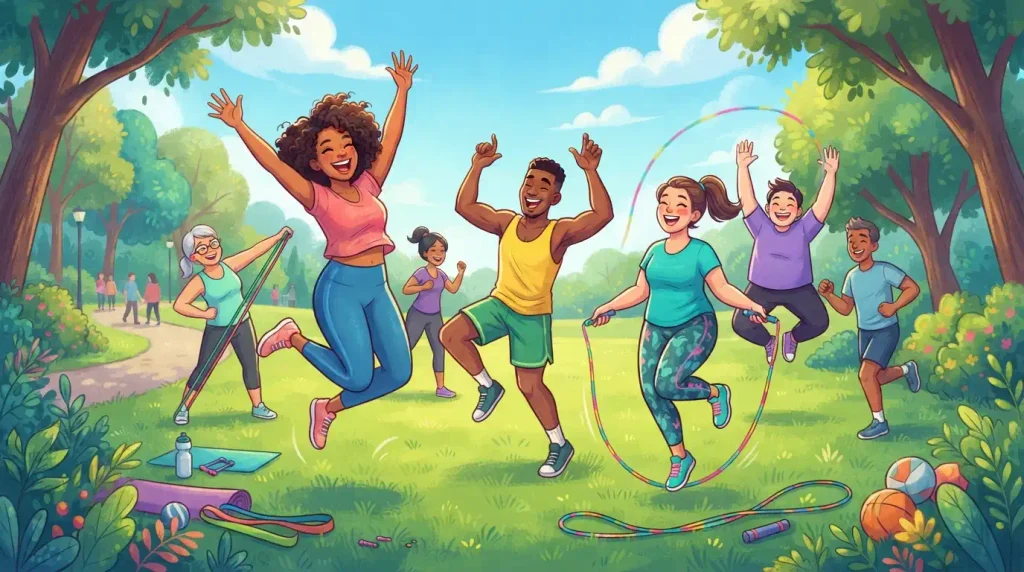
Making exercise fun involves shifting your perspective from boring chores to playful movement. You can achieve this by trying rhythm-based workouts, gamifying your goals with tracking apps, taking movement outdoors, joining social sports clubs, and pairing workouts with music or podcasts you love.
Have you ever looked at your running shoes on a Monday morning and felt an overwhelming sense of dread? Learning how to make exercise fun is the ultimate key that turns working out into the best part of your daily routine.
When you ditch rigid workout rules and pick activities you genuinely enjoy, staying active becomes completely effortless. You no longer need to force yourself through painful sessions when you discover ways to keep exercise fun and engaging.
This complete guide will show you how to redesign your movement habits, gamify your workouts, and build a lasting routine. Let’s explore how you can make exercise fun starting today!
The Psychology of Enjoyable Movement
Why do some people sprint out of bed for a morning workout while others drag their feet? The secret rarely comes down to sheer willpower or strict self-discipline.
People who stick with physical activities over decades do so because they experience high levels of intrinsic motivation. Understanding how your brain responds to enjoyment is the first major step toward building a sustainable lifestyle.
Shift from Punishment to Play
For years, fitness culture taught us to view workouts as a penalty for eating delicious food or a price to pay for health. This negative framing creates subconscious resistance and makes every session feel like a heavy emotional burden.
When you reframe movement as structured adult play, your brain stops resisting the effort required. You begin looking forward to your daily active time much like a kid looks forward to recess at school.
The Role of Endorphins and Dopamine
When you engage in enjoyable physical movement, your brain releases a powerful cocktail of feel-good neurochemicals. Endorphins reduce physical pain and create a light sensation of euphoria often called a runner’s high.
Dopamine, on the other hand, acts as your brain’s internal reward system that reinforces positive behaviors. When an activity feels exciting, dopamine ensures you will want to repeat that same activity tomorrow.
Creative Ways to Gamify Your Fitness Routine
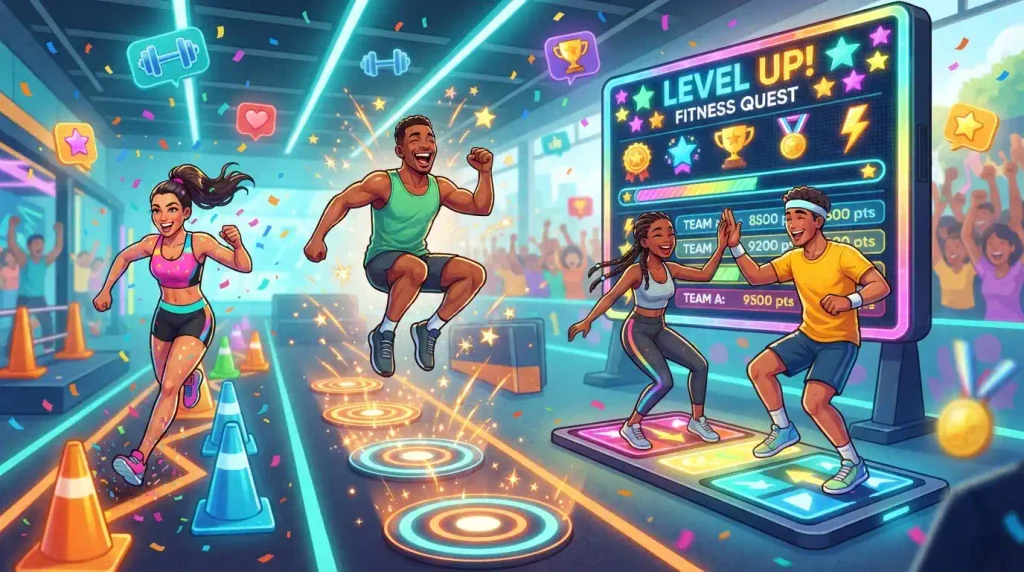
Turning physical activity into an interactive game is one of the fastest ways to eliminate workout boredom. Gamification leverages your natural desire for achievement, feedback, and progression.
Using Fitness Apps and Smart Tracking
Modern fitness technology allows you to turn every outdoor walk, bike ride, or workout session into an immersive digital quest. Smartwatches and specialized phone apps track your real-time stats and reward you with badges for consistency.
- Zombies, Run!: This popular audio fitness app turns your regular jog into a survival mission where you dodge digital zombies.
- Strava Art: Runners and cyclists use GPS tracking to draw creative shapes, animals, and word art on real city maps.
- Pikmin Bloom or Pokémon GO: These augmented reality games encourage you to log thousands of daily steps while exploring local neighborhoods.
Creating Personal Fitness Quests and Challenges
You do not need high-tech gadgets to build an exciting game-based workout routine at home. Setting up custom physical quests turns repetitive exercises into creative personal victories.
Try creating a staircase challenge where every flight of stairs climbed inside your home represents ascending a famous mountain peak. Alternatively, set a goal to perform ten push-ups every time your favorite character says a key catchphrase in a TV show.
Group Games and Social Workouts
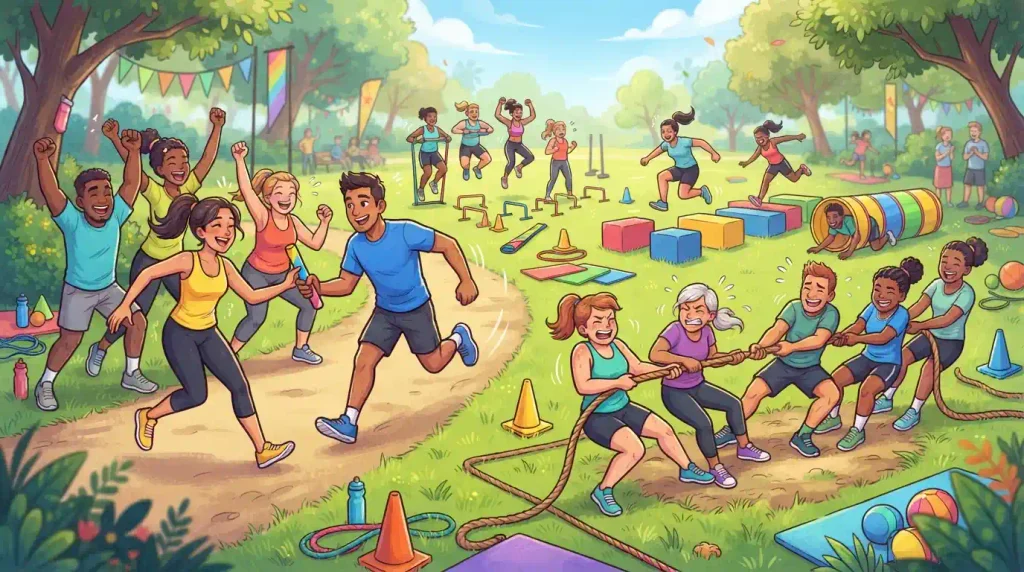
Exercising alone in a quiet room can feel isolating and mentally draining after a few weeks. Adding a strong social element creates natural accountability while distracting your mind from physical fatigue.
Joining Casual Adult Sports Leagues
Adult recreational sports leagues have exploded in popularity because they focus heavily on social enjoyment over hyper-competitive performance. Participating in team sports provides an intense cardiovascular workout while you are busy having a blast with teammates.
- Kickball: A nostalgic playground classic that requires zero specialized athletic skills to enjoy with friends.
- Pickleball: The fastest-growing sport in the world, combining elements of tennis, badminton, and ping-pong on a small court.
- Ultimate Frisbee: A continuous, fast-paced team game that builds incredible speed, endurance, and coordination.
Organized Active Group Gatherings
You can turn standard social hangouts into energizing group movement events without needing a formal sports field. Organize a weekend trampoline park session with family members or sign up for a local obstacle course race.
Even planning a group roller-skating evening or a beach volleyball game gets everyone moving while creating lasting, hilarious memories. The laughter shared during these events burns calories while strengthening social bonds.
Rhythm-Based and Musical Workouts
Music possesses a unique ability to instantly alter your emotional state and boost physical performance. Rhythm-based workouts synchronize your movement to high-energy beats, making time fly by faster than expected.
Dance Workouts for Every Skill Level
Dancing is perhaps the purest form of rhythmic physical activity because it blends cardiovascular training with creative self-expression. You do not need professional choreography skills to enjoy moving your body to good music.
Zumba classes combine Latin and international rhythms with easy-to-follow dance steps for a full-body cardio party. If you prefer staying home, thousands of free dance workout videos feature popular pop, hip-hop, and rock songs online.
Rhythm-Based Video Games
Active rhythm video games provide an incredible workout while making you feel like you are starring in an arcade show. These games require quick reflexes, hand-eye coordination, and constant physical movement.
Games like Dance Dance Revolution force you to step on directional arrows in rhythm with fast music tracks. VR rhythm games like Beat Saber have players slash colored blocks representing musical beats using virtual light swords.
Taking Your Movement to the Great Outdoors

Enclosing yourself inside four gym walls under flickering fluorescent lights can sap your energy levels quickly. Stepping outside introduces fresh air, changing scenery, and natural sunlight that invigorates your entire mind.
Adventure Trails and Geocaching
Swapping a stationary indoor treadmill for a real forest trail introduces unpredictable terrain that challenges stabilizing muscles naturally. Trail walking and hiking offer rich sensory stimulation, from the smell of pine trees to the sound of crunching leaves underfoot.
For an extra layer of excitement, try geocaching while exploring local nature parks. Geocaching uses GPS devices to hunt down hidden containers tucked away by community members in scenic spots.
Water Sports and Aquatic Thrills
Water-based activities offer high-energy physical conditioning with minimal joint stress thanks to natural buoyancy. Swimming laps in a clean pool provides fantastic full-body resistance, but open water sports take excitement to another level.
- Stand-Up Paddleboarding (SUP): Requires deep core stability and balance while navigating peaceful lakes or calm ocean bays.
- Kayaking and Canoeing: Builds impressive upper body strength and core power as you paddle through scenic waterways.
- Boogie Boarding: Harnesses the power of ocean waves to deliver quick adrenaline rushes while sprinting through shallow water.
Comparison Matrix: Popular Active Options
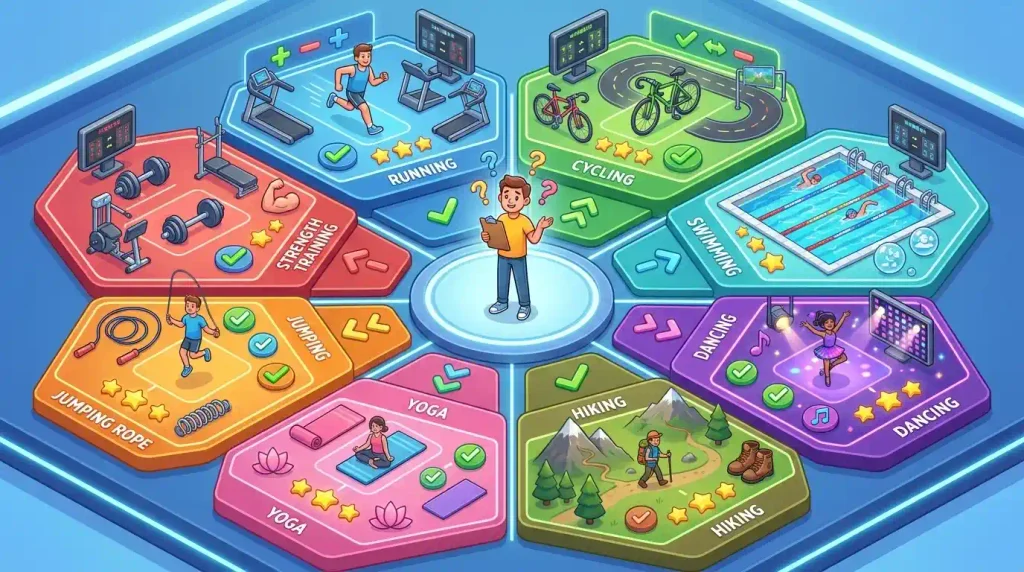
Selecting the right active entertainment venue depends heavily on physical exertion, group dynamic preferences, and targeted budget limits. Evaluating high-energy attractions side by side allows event planners and families to quickly match the ideal activity with participant skill levels, time availability, and overall thrill expectations.
Trampoline Parks vs. Indoor Laser Tag Arenas
Trampoline parks focus primarily on continuous physical exertion, open freestyle bouncing, and high-energy dodgeball games suitable for large groups. In contrast, indoor laser tag venues emphasize strategic movement, low-impact tactical play, and team-based objectives inside climate-controlled, thematic environments.
Go-Kart Racing vs. Outdoor Obstacle Courses
Go-karting delivers fast-paced adrenaline, motor skill precision, and high-speed competitive thrills along dedicated tracks. Outdoor obstacle courses and ropes challenges focus instead on endurance, balance, personal courage, and collaborative team problem-solving across elevated climbing structures.
Bowling Alleys vs. Mini-Golf Centers
Bowling alleys provide classic social competition, structured turn-based gameplay, and comfortable indoor lounge seating for all weather conditions. Mini-golf courses offer casual, low-intensity recreation featuring creative hole designs, accessible gameplay mechanics, and relaxing outdoor or indoor thematic layouts.
How to Build a Flexible Weekly Movement Plan
Building a sustainable activity routine requires flexibility rather than rigid, unyielding schedules. When your plan adapts smoothly to life’s unpredictable moments, staying consistent becomes far less stressful.
Step 1: Brainstorm Your Personal Joy List
Sit down with a notebook and list every physical activity that brings a genuine smile to your face. Include childhood favorites like jump rope or biking alongside adult activities like rock climbing or salsa dancing.
Do not filter your ideas based on how many calories they burn or what fitness influencers recommend online. If an activity feels enjoyable to you, it deserves a prominent spot on your master list.
Step 2: Mix High-Energy and Low-Key Days
Avoid scheduling intense, exhausting workouts six days in a row, which quickly leads to physical burnout and fatigue. Alternate energetic group sports or dance sessions with gentle, low-key movement days.
- Monday: High-energy group pickleball match with co-workers.
- Tuesday: Peaceful evening walk through a local botanical garden while listening to an audiobook.
- Wednesday: Upbeat VR rhythm gaming session in your living room.
- Thursday: Restorative stretch and mobility routine on the living room rug.
- Friday: Social night out at a local roller-skating rink or dance studio.
Step 3: Pair Movement with Entertainment
If you must perform repetitive stationary exercises like riding an exercise bike, pair them with high-value digital entertainment. Reserve your absolute favorite podcast, TV show, or audiobook exclusively for your workout times.
This habit stacking technique trains your brain to look forward to exercise because it unlocks access to captivating stories. The time spent moving speeds by while your mind stays fully engrossed in the narrative.
Step 4: Track How You Feel After
Instead of focusing exclusively on scale weight or physical appearance, track your immediate mood and energy improvements after moving. Keep a simple daily journal where you rate your happiness and energy levels on a scale from one to ten.
Noticing how a brief afternoon dance break clears brain fog and boosts your mood creates powerful psychological reinforcement. You begin working out to feel great right now rather than waiting months for physical changes.
Home Equipment Options That Feel Like Toys
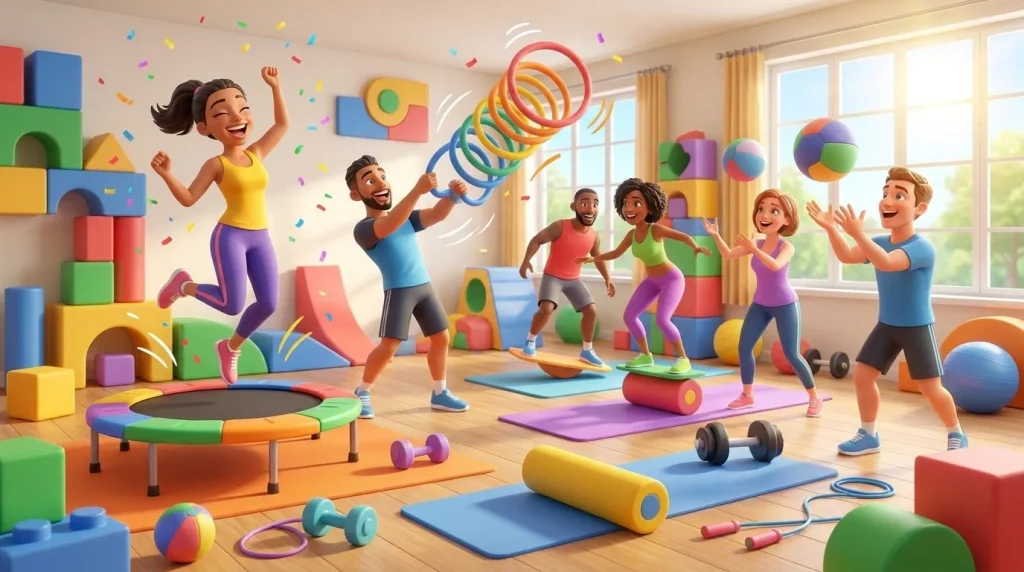
Investing in a few playful home movement items turns unused garage space or empty corner rooms into personal playgrounds. Choosing items that feel more like toys than cold gym machinery keeps home workouts lighthearted.
Mini Trampolines (Rebounders)
Bouncing on a mini trampoline provides an incredible cardiovascular workout while placing practically zero impact stress on your joints. Rebounding stimulates lymphatic fluid circulation, improves balance, and triggers immediate feelings of weightless joy.
Putting on your favorite upbeat music album while jumping on a rebounder for fifteen minutes provides a quick energy reboot. It feels remarkably like bouncing on a bed as a young kid.
Hula Hoops and Jump Ropes
Weighted hula hoops engage your deep core muscles, hips, and lower back while requiring constant rhythmic movement to keep spinning. Learning to swirl a hoop around your waist brings an instant sense of playful satisfaction when you master the motion.
Modern speed jump ropes or weighted ropes offer intense conditioning workouts in tiny physical spaces. You can learn fun footwork tricks, double-unders, and crossovers that challenge your brain alongside your heart.
Balance Boards and Slacklines
Setting up a simple balance board in front of your standing desk turns boring work hours into passive stability training. Navigating a balance board sharpens nervous system responsiveness while strengthening ankles and calves seamlessly.
If you have a backyard with sturdy trees, setting up a slackline creates an addictive outdoor balance challenge. Friends and family members can spend hours taking turns trying to walk across the flexible webbing.
Overcoming Obstacles to Enjoyable Workouts
Even the best-laid plans encounter occasional friction points like bad weather, low energy, or busy schedules. Learning how to navigate common obstacles keeps your momentum moving forward smoothly and steadily.
Dealing with Low Daily Motivation
On days when your energy feels low, lower the physical barrier to entry to just five tiny minutes. Tell yourself that you only have to move your body or play an active game for five minutes total.
Once you put on your shoes and complete those initial five minutes, your brain releases enough momentum to keep going. If you still feel genuinely exhausted after five minutes, grant yourself full permission to rest guilt-free.
Adapting to Inclement Weather
Rainy, cold, or scorching hot weather can disrupt outdoor plans quickly if you lack flexible indoor alternatives. Having a backup list of indoor movement options prevents weather delays from derailing your routine.
Turn on an active video game, clear space in your living room for a dance video, or visit an indoor climbing gym. Viewing bad weather as a chance to try a different indoor activity keeps your perspective positive.
Overcoming Self-Consciousness
Feeling self-conscious in traditional gym settings is a common issue that prevents thousands from staying active. The pressure of feeling judged by experienced gym-goers can cause overwhelming social anxiety.
Focus on home-based movement, outdoor nature trails, or supportive beginner-friendly group classes where the culture is welcoming. Remind yourself that everyone is far too focused on their own activity to pay close attention to yours.
Practice Exercise
Test your knowledge about strategies, psychological concepts, and practical tips for making physical movement enjoyable and engaging!
- What type of motivation is primary when you move your body simply because the activity feels enjoyable?
A. Extrinsic motivation
B. Intrinsic motivation
C. Financial motivation
D. Compulsory motivation - Which neurochemical released during exercise is associated with feelings of euphoria?
A. Endorphins
B. Cortisol
C. Insulin
D. Melatonin - Which fitness application gamifies running by having you dodge digital zombies through an audio narrative?
A. Strava Art
B. Pikmin Bloom
C. Zombies, Run!
D. Beat Saber - What is the main physical advantage of using a mini trampoline (rebounder) for cardio?
A. It eliminates the need to drink water during workouts.
B. It guarantees instant weight loss in 24 hours.
C. It replaces the need for sleep completely.
D. It provides high-energy cardio with low joint impact. - Which sport combines elements of tennis, badminton, and ping-pong on a small court?
A. Pickleball
B. Kickball
C. Ultimate Frisbee
D. Squash - What is the psychological technique of combining a mandatory workout with a favorite podcast called?
A. Negative reinforcement
B. Strict dieting
C. Habit stacking
D. Muscle confusion - How does outdoor exercise on natural trails benefit stabilizing muscles compared to flat treadmills?
A. Natural terrain is completely flat and smooth.
B. Unpredictable terrain forces stabilizer muscles to adapt continuously.
C. Outdoor trails remove all gravity effects on joints.
D. Hiking requires no muscular effort at all.
Answer Key
B | 2. A | 3. C | 4. D | 5. A | 6. C | 7. B
FAQs
What if I cannot find any exercise that I enjoy doing?
Start by redefining what counts as physical activity in your daily life. You do not need to lift weights or jog; try dancing in your kitchen, playing outdoor lawn games, or exploring nature trails. Experiment with different playful activities until you discover what brings you genuine joy.
How often should I change my movement routine to avoid boredom?
Switch up your primary movement activities every four to six weeks or whenever you notice excitement fading. Introducing new active games, changing hiking locations, or trying a different dance class keeps your brain engaged and eager to participate.
Can active video games actually provide a real workout?
Yes, energetic active video games like Beat Saber and Dance Dance Revolution offer legitimate cardiovascular conditioning. They elevate your heart rate, burn calories, and improve reflex coordination while keeping your mind entirely focused on gameplay.
How do I make exercising fun when I have to do it alone?
Pair your solo movement sessions with highly engaging audio entertainment like gripping podcasts, audiobooks, or custom music playlists. You can also gamify your progress using GPS tracking apps to create creative route art or beat personal records.
How long does it take for a new movement habit to feel enjoyable?
Most people begin enjoying movement within two to three weeks once the initial muscle soreness fades away. Selecting activities that match your skill level speeds up this transition by providing quick feelings of accomplishment.
What is the best way to get children excited about moving more?
Avoid presenting movement as formal exercise or forced training sessions to young children. Instead, organize interactive family games like tag, build floor-is-lava obstacle courses, or plan active outdoor scavenger hunts together.
Conclusion
Transforming your fitness routine is not about forcing yourself to endure boring workouts; it is about choosing to make exercise fun. When you prioritize joy, playfulness, and curiosity over rigid rules, staying active becomes a natural part of your life.
Whether you decide to pick up a pickleball paddle, explore virtual reality rhythm games, or hike scenic outdoor trails, the key is simple experimentation. Give yourself full permission to try new things, explore creative hobbies, and keep your daily exercise fun.
Take the first step today by picking one playful activity from this guide and trying it out this week. You deserve to discover how incredible it feels when you make exercise fun every single day!

Ghzala Rani is the creator and writer behind Funzonest.com, a website dedicated to making everyday topics more enjoyable, interesting, and easy to understand. With a passion for engaging content, Ghzala focuses on creating helpful articles that inform, entertain, and provide readers with useful ideas and insights.
Through Funzonest.com, Ghzala Rani aims to build a friendly online space where readers can discover fresh content and explore topics presented in a simple and enjoyable way. Her writing style focuses on clarity, originality, and reader value. She is committed to publishing well-researched and engaging content that keeps visitors informed while making their time on the website enjoyable.