
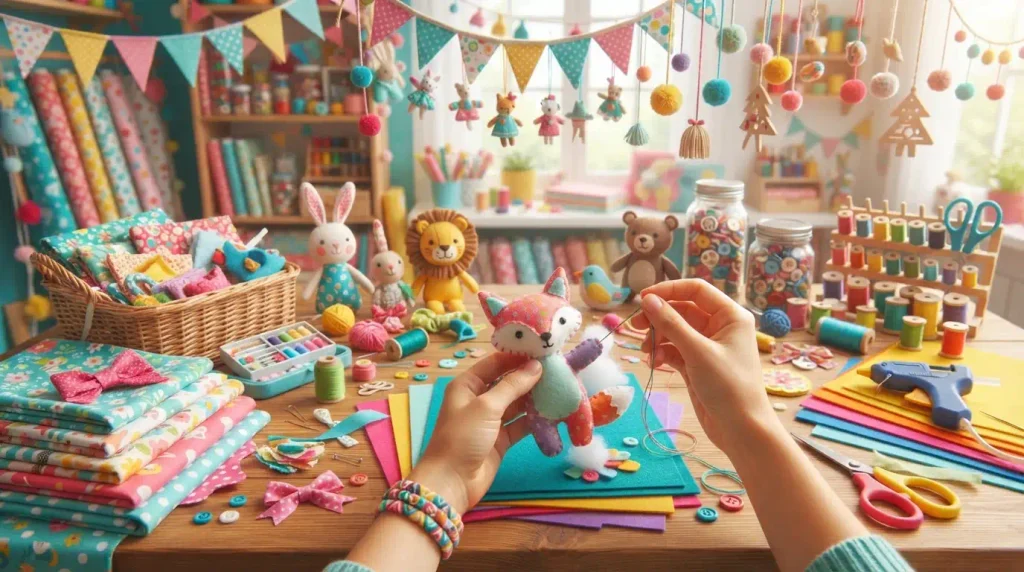
Choosing fabric for fun crafts means selecting colorful, durable, and easy-to-work-with textiles like felt, cotton, fleece, and sequin materials. These fabrics make DIY play items, costumes, home decor, and party crafts exciting for beginners and experienced crafters alike.
Have you ever walked past a display of brightly colored textiles and immediately felt a spark of creativity? Finding the perfect fabric for fun crafts and DIY projects can turn an ordinary afternoon into an exciting creative adventure.
Working with colorful textiles is an amazing way to express your personality and build handmade items that bring joy. When you choose the right fabric for fun play activities, sewing becomes easy and enjoyable for all ages.
This complete guide will show you how to choose, craft, and care for vibrant materials across endless creative projects. Let’s explore how you can pick the best fabric for fun making today!
The Joy of Crafting with Fun Textiles
Crafting with vibrant textiles is more than just a hobby; it is a wonderful mental reset and a way to express your artistic imagination. Touching soft, textured materials stimulates your brain in ways that digital screens simply cannot replicate.
When you create something with your own hands, you gain a deep sense of accomplishment that lasts far beyond the initial craft session.
Why Tactile Materials Matter for Creative Play
Textiles provide an immediate sensory experience that engages multiple senses at once. Children and adults alike respond enthusiastically to bold patterns, fuzzy surfaces, and shiny finishes.
Using varied textures encourages tactile exploration, which helps young kids develop fine motor skills and spatial awareness. For adults, handling soft fleece or crisp cotton provides a calming, meditative focus after a busy workday.
The Psychology of Bright Colors and Playful Patterns
Colors hold incredible power over our mood and emotional energy levels. Bright yellows, radiant blues, and playful pinks naturally lift spirits and invite playful experimentation.
When you mix bold polka dots, quirky animal prints, and geometric shapes, you break free from rigid design rules. Playful textiles allow you to make mistakes without stress because the vibrant patterns naturally hide small imperfections.
Top Fabric Types for Fun Crafts and DIY Projects
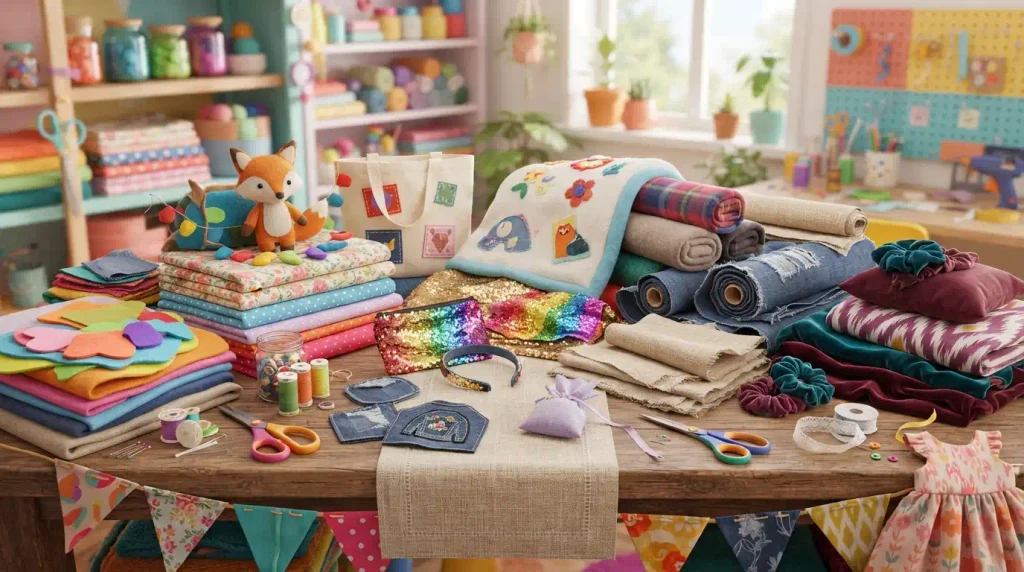
Not all textiles perform the same way when you start cutting, gluing, or sewing them together. Choosing beginner-friendly materials saves time and prevents frustration during your crafting sessions.
Felt: The Ultimate Beginner-Friendly Choice
Felt is widely considered the king of crafting textiles for several great reasons. Because it is a non-woven material created by pressing fibers together, felt never frays at the edges when cut.
- Easy Cutting: You can snip felt into intricate shapes using standard household scissors without worrying about loose threads.
- Glue Friendly: It holds fabric glue and hot glue exceptionally well, making it ideal for no-sew craft projects.
- Vibrant Options: Synthetic acrylic felt comes in almost every imaginable color at extremely affordable price points.
Printed Quilting Cotton: Endless Pattern Variety
Quilting cotton is a woven natural textile that comes in tens of thousands of unique printed designs. It is easy to press with an iron, holds its shape well, and sews smoothly on any basic sewing machine.
You can find quilting cotton featuring favorite cartoon characters, retro food illustrations, space rockets, and colorful abstract art. It is the perfect material for beginner pillowcases, tote bags, and colorful bunting banners.
Polar Fleece: Warm, Soft, and Cuddly
Polar fleece is a synthetic knit textile that offers ultimate softness and warmth without adding heavy weight. Like felt, fleece does not fray when cut, which makes it a favorite material for fast, no-sew projects.
Fleece is ideal for making cozy tie blankets, stuffed animals, winter scarves, and oversized lounge pillows. Its slight stretch allows it to absorb heavy play without ripping or losing shape.
Specialty Textiles: Sequins, Faux Fur, and Metallic Foil
When you want to add extreme drama and excitement to a project, specialty textiles are your best friends. These eye-catching materials transform basic crafts into magical costumes and festive party decor.
- Reversible Sequin Material: Features shiny scales that flip colors when you run your hand over the surface.
- Long-Pile Faux Fur: Perfect for creating monster masks, animal ears, plush toys, and cozy costume collars.
- Metallic Foil Knit: Offers a mirror-like shine that works brilliantly for superhero capes, space costumes, and theatrical backdrops.
No-Sew Crafts for Fast Family Entertainment
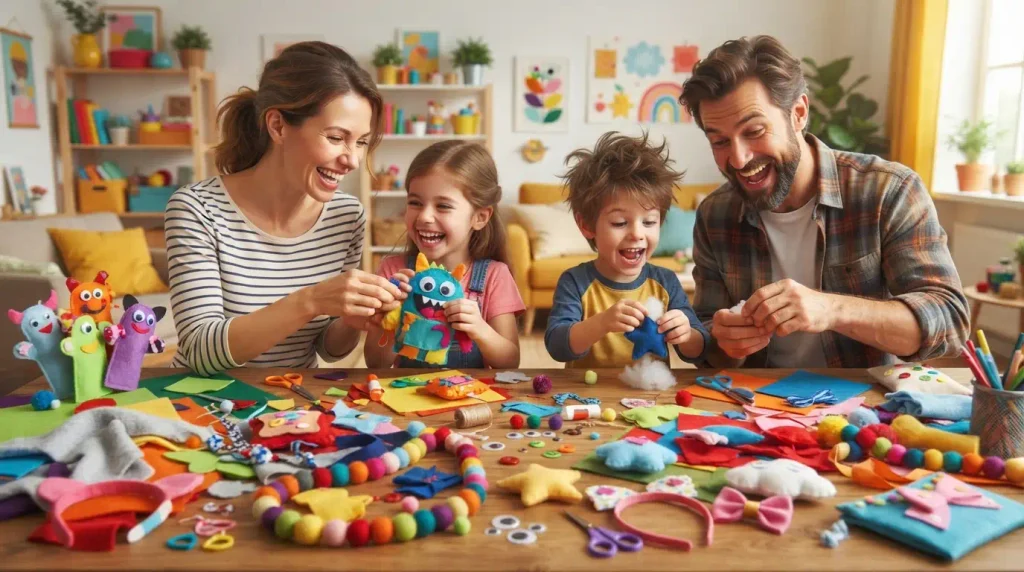
You do not need a sewing machine or years of stitching experience to create incredible handmade items. No-sew craft methods rely on smart folding, clever knotting, and durable fabric adhesives.
Classic No-Sew Fleece Tie Blankets
Making a no-sew fleece blanket is a classic family activity that takes less than two hours to finish. All you need are two coordinating pieces of fleece and a sturdy pair of scissors.
Lay the two fleece sheets on top of each other, cut away a four-inch square from each corner, and slice two-inch-wide fringe strips along all four edges. Tie the top and bottom fringe pieces together in simple double knots to join the layers permanently.
Felt Finger Puppets and Storyboards
Felt finger puppets encourage endless imaginative storytelling for toddlers and young children. Draw simple animal outlines on felt sheets, cut out two identical shapes for each character, and glue the side edges together with non-toxic glue.
You can also create a large felt storyboard by wrapping a piece of dark felt over a sheet of sturdy cardboard. Small felt cutouts stick to the board naturally through friction without needing any velcro or adhesives.
Fabric Scrap Garland and Party Bunting
Instead of throwing away small leftover textile scraps, turn them into colorful hanging garlands for birthdays or playroom decor. Cut your colorful scraps into long strips of equal length and width.
Tie the strips securely along a thick piece of twine or ribbon using basic overhand knots. Hang the finished garland across a mantelpiece or bookshelf to add instant color and festive energy to any room.
Easy Sewing Projects for Beginners

Moving from no-sew crafts to basic machine sewing opens up a world of creative possibilities. Starting with straight seams and flat shapes builds your confidence quickly.
Playful Monster Pillows with Pocket Mouths
Creating a monster pillow lets you combine bright cotton or fleece with whimsical felt face details. Cut two large rectangles for the pillow body and sew a zipper or deep flap on the front to create an open mouth pocket.
Kids can store small books, secret notes, or bedtime toys inside the monster’s mouth. Add mismatched felt eyes and jagged felt teeth to give each pillow its own hilarious personality.
Drawstring Activity Bags for Toys and Games
Drawstring bags are fantastic beginner projects that teach you how to sew straight lines and create simple thread casings. Use heavy-duty canvas or bright printed cotton to hold building blocks, action figures, or puzzle pieces.
Thread a colorful cord or shoelace through the top casing to create an easy pull-to-close top. These handmade storage bags keep playrooms organized while adding custom style to cleanup time.
Simple Fabric Costumes and Dress-Up Capes
Every child loves playing dress-up, and a handmade cape takes only thirty minutes to sew. Measure from the neck to the back of the knees to determine the cape length, and cut a wide trapezoid shape from silky satin or shiny jersey knit.
Fold and sew the top edge to create a neck casing, then thread a soft ribbon through to secure it around the shoulders. Add felt superhero initials or star patches to the back to complete the heroic transformation.
Fabric Comparison Matrix for Crafters
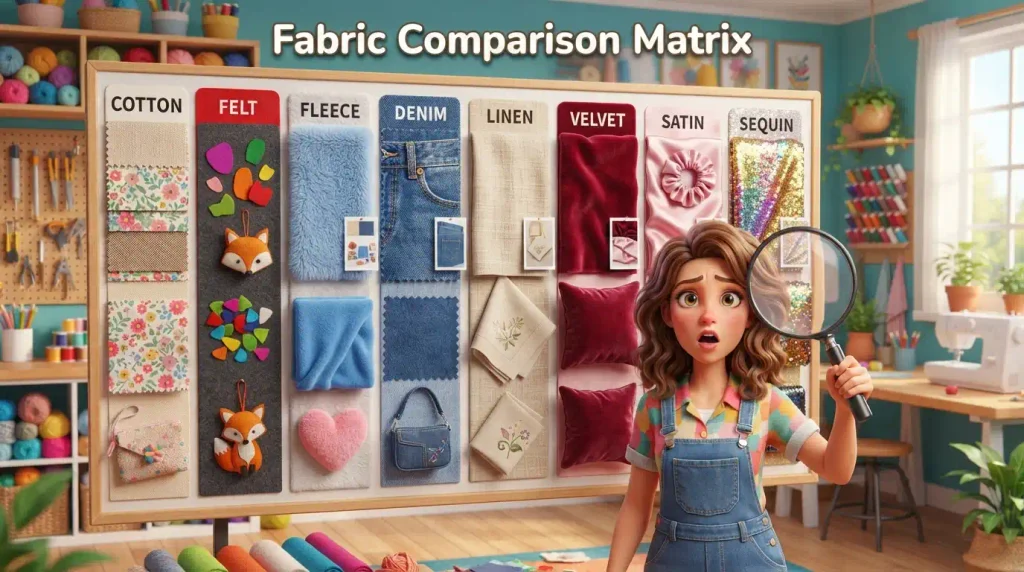
When selecting fabrics for crafting projects, understanding how different textiles handle structural stress, stitching, and long-term wear makes the difference between a lasting creation and a ruined project. A fabric comparison matrix simplifies this decision process by mapping critical parameters such as fiber composition, weight, stretch recovery, and weave density against specific crafting applications like quilting, upholstery, or apparel tailoring. By comparing these physical attributes side by side, crafters can quickly identify the exact material requirements needed to achieve optimal drape, seam strength, and durability for any handmade design.
Structural Performance and Fiber Mechanics
The physical behavior of a craft fabric depends directly on its yarn construction, thread count, and fiber origin. Natural fibers like cotton and linen offer high heat tolerance and crisp creasing for precise pressing, but they lack the natural elasticity and moisture resistance of synthetic blends like polyester or nylon. Evaluating tensile strength, edge-fray tendency, and surface friction within a comparison matrix helps crafters anticipate how a material will behave under a sewing machine presser foot, ensuring clean seams without structural puckering.
Weight Classification and Drape Dynamics
Fabric weight, typically measured in grams per square meter (GSM) or ounces per square yard, determines the visual movement and load-bearing capacity of a finished piece. Lightweight materials (under 150 GSM) such as chiffon or lawn provide fluid movement for delicate garments but require fine needles and specialized finishing techniques to prevent seam pulling. Heavyweight options (above 300 GSM) like canvas or denim offer stiff structural support ideal for tote bags and home decor, though they demand heavy-duty needles and high-torque machines to stitch through multiple layers.
Care Standards and Project Longevity
Long-term maintenance requirements must align with the intended daily use of the craft item to avoid premature wear or shrinkage. Pre-washing requirements, colorfastness ratings, and cleaning limitations (such as dry-clean-only wools versus machine-washable cottons) dictate how a completed item survives repeated laundering. By reviewing these care parameters before cutting into raw yardage, crafters ensure their finished projects remain visually vibrant and structurally sound over extended periods of everyday use.
Sensory Play and Educational Textile Activities
Textiles offer brilliant opportunities for hands-on learning, sensory integration, and cognitive development. You can transform basic textile scraps into powerful educational tools for homes and preschool classrooms.
Building Texture Matching Games
A tactile sensory board helps young children learn descriptive vocabulary like rough, smooth, bumpy, squishy, and scratchy. Gather small squares of burlap, satin, corduroy, faux fur, velvet, and corrugated felt.
Glue the textile squares onto thick cardstock cards or wooden blocks to create a matching game. Children close their eyes and touch the cards to match identical pairs based purely on physical feel.
DIY Fabric Scrap Scavenger Hunts
Turn textile remnants into an energetic indoor learning game that teaches color recognition and spatial awareness. Hide brightly colored textile squares around your living room or backyard.
Give children a basket and a checklist with color boxes to mark off as they discover each hidden swatch. This active game keeps kids moving while sharpening their visual observation skills.
Interactive Busy Books for Toddlers
A quiet busy book is a portable soft book filled with interactive felt activities designed to keep little hands occupied. Each page features a different fine motor challenge like buttoning a coat, zipping a pocket, or weaving ribbon strips.
These soft activity books are silent, lightweight, and perfect for keeping toddlers entertained during long car rides or doctor’s office visits. Best of all, they can be washed easily if they get dirty.
Smart Tips for Buying and Stashing Craft Textiles
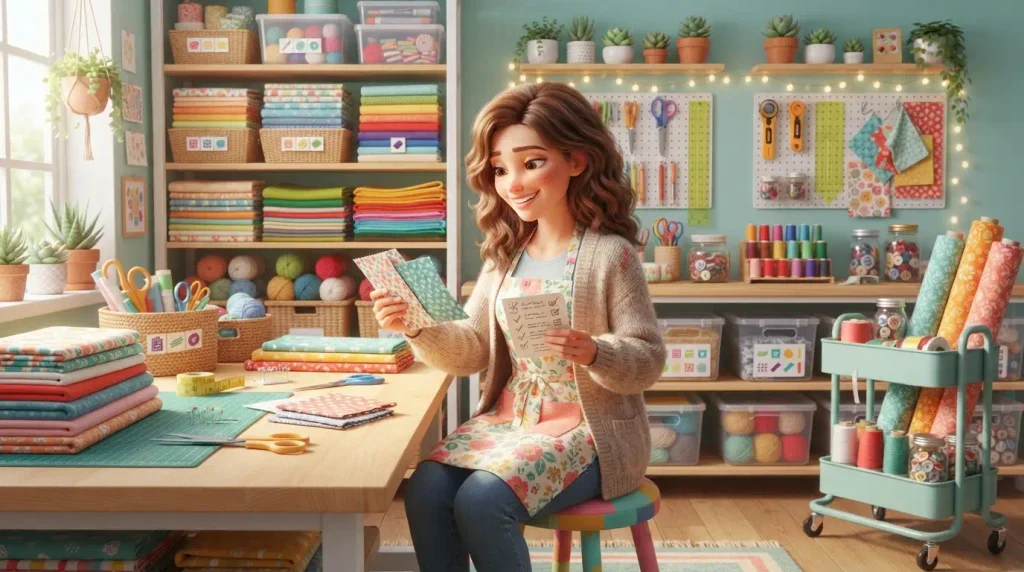
Building a fun textile collection does not mean you have to spend a fortune at high-end designer stores. Knowing where and how to shop helps you stretch your crafting budget significantly further.
Shopping the Remnant Bin
Most major craft stores feature a clearance basket known as the remnant bin near their cutting counters. When a roll of material gets down to its last yard or less, staff members mark the remaining piece down by fifty to seventy percent.
These small, affordable pieces are the perfect size for doll clothes, felt puppets, pillow fronts, and scrap bunting. Checking the remnant bin first is a great way to discover high-quality materials at bargain prices.
Upcycling Old Clothing and Thrift Store Finds
You do not need to buy new material off the bolt when your closets are full of unused resources. Upcycling worn-out clothes and thrift store linens gives old items a second life while saving you money.
- Flannel Shirts: Soft, worn flannel makes wonderful plush toy bodies, patchwork quilts, and cozy ear warmers.
- Denim Jeans: Durable denim pockets make instant wall organizers, and the heavy material handles tough outdoor play items.
- Graphic Tees: Soft cotton T-shirts can be sliced into continuous yarn strands to crochet rag rugs or woven potholders.
Organizing Your Craft Space for Maximum Creativity
A messy pile of tangled materials can quickly kill your creative motivation before you even start a project. Store your materials where you can see all the bright colors clearly to inspire instant ideas.
Fold larger textile pieces uniformly and line them up vertically inside clear plastic storage bins or file drawers like books on a shelf. Keep tiny scraps sorted by color in clear mason jars or hanging shoe organizers.
Caring for Handmade Fabric Crafts
After putting your time and energy into creating a custom handmade item, you want it to last as long as possible. Proper cleaning techniques protect delicate glues, vivid dyes, and soft fibers over time.
Safe Washing Techniques for Mixed Materials
Handmade items featuring mixed materials, glued felt patches, or sequin details require gentle handling in the laundry. Always turn custom clothing and pillow covers inside out before washing to protect delicate surface decorations.
Wash handmade items in cold water on a gentle cycle using mild detergent, or wash them by hand in a clean sink. Placing delicate items inside a mesh laundry bag prevents straps and loose trims from catching on the washing machine agitator.
Drying and Storage Best Practices
High dryer heat can melt synthetic fleece fibers, shrink cotton fabrics, and weaken fabric glues quickly. Air drying is the safest choice for almost all handmade textile crafts and costumes.
Lay plush toys and heavy blankets flat on a clean towel in a well-ventilated room out of direct sunlight. Store seasonal costumes and party bunting in airtight plastic containers to keep them safe from dust, moisture, and household pests.
Practice Exercise
Test your knowledge about craft textiles, sewing techniques, and DIY project strategies!
Craft Textiles & Beginner Techniques
- Why is craft felt considered one of the easiest materials for absolute beginners?
A. It must be ironed continuously while cutting.
B. It never frays at the edges when cut with scissors.
C. It requires professional dry cleaning before use.
D. It can only be joined using industrial sewing machines. - Which non-sew joining technique is commonly used to finish polar fleece blankets?
A. Melting edges together with a candle flame
B. Tying double knots into sliced fringe edges
C. Stapling the sides with heavy-duty office staples
D. Soaking the edges in cold salt water - What main advantage does quilting cotton offer for beginner sewing projects?
A. It stretches up to four times its original length.
B. It comes in thousands of prints and holds a pressed fold easily.
C. It is completely waterproof without any treatments.
D. It never requires cutting with sharp tools. - Which textile type is best for adding shiny, scales-like visual effects to party decor?
A. Reversible sequin material
B. Heavy denim canvas
C. Natural unbleached linen
D. Raw sheep wool - What is the safest way to dry delicate handmade crafts containing fabric glue?
A. Baking them in a warm oven
B. Air drying them flat in a well-ventilated area
C. Using high heat in a standard tumble dryer
D. Hanging them over an open outdoor campfire
Craft Organization & DIY Projects
- What is a fabric remnant bin at a craft store?
A. A bin where trash and thread scraps are discarded.
B. A clearance section containing discounted end-of-roll textile pieces.
C. A display area reserved exclusively for leather goods.
D. A recycling container for old sewing machine needles. - Which upcycled clothing item provides durable material ideal for sturdy wall pockets and outdoor play?
A. Delicate silk scarves
B. Worn-out denim jeans
C. Thin nylon stockings
D. Sheer lace curtains - Why are tactile sensory boards beneficial for early childhood development?
A. They teach children how to read long novels.
B. They help kids develop fine motor skills and descriptive vocabulary through touch.
C. They replace the need for physical exercise.
D. They force children to sit still without moving. - What tool or accessory protects delicate handmade crafts inside a washing machine?
A. Heavy iron weights
B. Mesh laundry bag
C. Metal paper clips
D. Plastic zip ties - How should larger craft textiles be organized inside storage bins for quick visual access?
A. Crumpled into tight balls and stuffed into dark bags.
B. Folded uniformly and lined up vertically like books on a shelf.
C. Glued permanently to the bottom of the container.
D. Left spread out across the middle of the floor.
Answer Key
B | 2. D | 3. A | 4. C | 5. D | 6. B | 7. A | 8. C | 9. D | 10. B
FAQs
What is the best fabric for fun crafts with young toddlers?
Acrylic craft felt is the ultimate material for toddler crafts because it does not fray, handles non-toxic glue easily, and comes in bright colors. It is completely soft, safe to touch, and very inexpensive to replace if mistakes happen.
Can I use hot glue instead of sewing on all fabric crafts?
Hot glue works wonderfully for permanent bonds on non-washable items like wall hangings, costume masks, and felt puppets. However, flexible sewn seams are much better for clothing, blankets, and plush toys that need frequent machine washing.
How do I prevent cotton edges from fraying if I do not have a serger?
You can prevent fraying on woven cotton by trimming edges with pinking shears, which cut a zig-zag pattern that stops unraveling. Alternatively, brush a small line of clear liquid seam sealant along raw edges before assembling your project.
What is the easiest way to cut neat circles out of thick fleece?
Trace your circle shape onto a piece of freezer paper or stiff cardstock first to create a solid template. Pin the template securely to your fleece and use sharp, long-blade fabric shears to make smooth, continuous cuts along the outline.
Is it safe to iron synthetic fleece or felt materials?
Direct heat from a hot iron can easily melt synthetic polyester or acrylic fibers, leaving shiny burns or sticky residues on your iron soleplate. Always use a low heat setting and place a damp cotton press cloth over synthetic materials before ironing.
How can I make my handmade fabric toys safer for babies?
Avoid using small plastic eyes, loose buttons, or metal beads that could break off and become choking hazards for infants. Instead, embroider facial features directly onto the toy using colorful cotton embroidery floss or sew on flat felt patches.
Conclusion
Exploring the world of creative textiles is an incredible way to unleash your artistic spirit and bring more hands-on joy into your home. When you pick up vibrant materials, you turn basic ideas into colorful play items, cozy blankets, and unforgettable gifts.
Remember that crafting with textiles is about enjoying the creative journey rather than achieving absolute perfection. Embrace mismatched patterns, try new no-sew techniques, and let your imagination lead the way with your favorite fabric for fun.
Pick out a few colorful swatches from your stash or local shop today and start your next project. You will love discovering how simple it is to craft unique handmade items with a playful fabric for fun!
Ghzala Rani is the creator and writer behind Funzonest.com, a website dedicated to making everyday topics more enjoyable, interesting, and easy to understand. With a passion for engaging content, Ghzala focuses on creating helpful articles that inform, entertain, and provide readers with useful ideas and insights.
Through Funzonest.com, Ghzala Rani aims to build a friendly online space where readers can discover fresh content and explore topics presented in a simple and enjoyable way. Her writing style focuses on clarity, originality, and reader value. She is committed to publishing well-researched and engaging content that keeps visitors informed while making their time on the website enjoyable.