
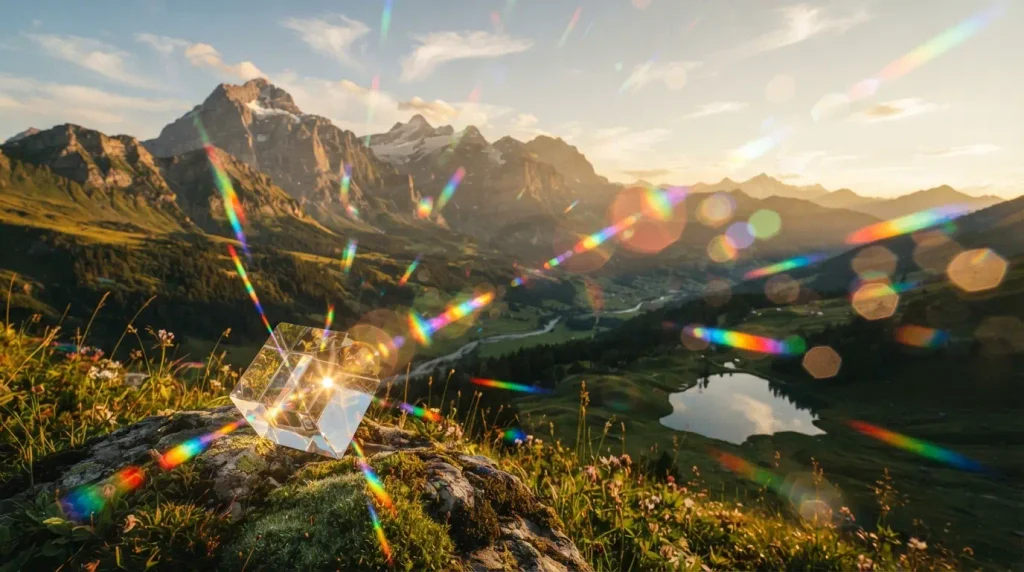
Have you ever looked at a photo and noticed a stunning burst of light sweeping across the scene? That eye-catching visual effect is part of the exciting world of flare fun.
Light artifacts instantly bring plain photos and modern video games to life. Learning how to master flare fun allows you to turn ordinary sunlight into pure visual magic.
Whether you shoot with a smartphone or design digital art, embracing stray light elevates your creative style. Let us explore how to capture stunning light bursts today.
Discovering how flare fun transforms simple camera reflections into artwork is an absolute game-changer for content creators everywhere.
What Is Flare Fun and Why Do People Love It?
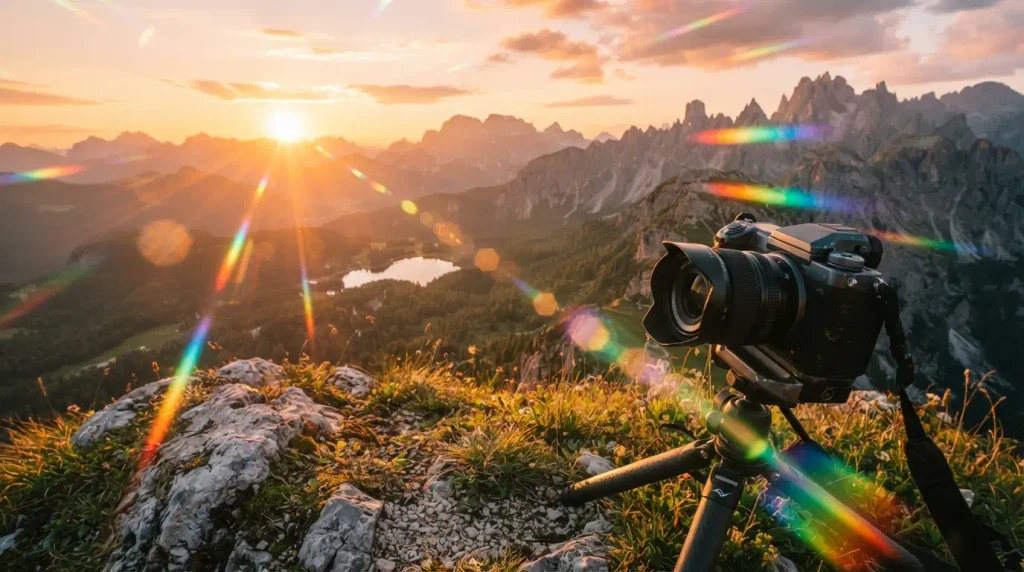
At its core, flare fun is all about using light artifacts creatively to bring plain visuals to life. Instead of treating light bursts as camera mistakes, visual artists actively embrace them to add mood, energy, and atmosphere.
When light reflects inside a camera lens, it creates geometric shapes, soft streaks, and glowing rings. These unexpected optical patterns give images an ethereal, cinematic quality that instantly catches the human eye.
The Physics Behind Lens Flares Made Simple
To understand light artifacts, picture a flashlight beaming into a glass room. As light strikes the front glass element of a lens, most of it passes straight through to the sensor.
However, a small percentage of light bounces off internal glass surfaces and scatters inside the barrel. This scattered light creates soft halos, bright streaks, and vivid circles known as lens flares.
Why Visual Artists Intentionally Use Light Flares
Photographers and directors love using flare fun to evoke specific feelings in their audience. A soft golden streak can make a summer morning photo feel nostalgic, warm, and inviting.
On the other hand, sharp blue streaks can make a sci-fi video scene feel intense, modern, and high-tech. By controlling light reflections, creators guide how viewers feel when looking at an image.
Modern Trends in Light Leak Photography
Light leak photography has exploded in popularity across social media platforms like Instagram and TikTok. People love vintage film aesthetics, which rely heavily on accidental light exposures along the film edges.
Digital filters now allow anyone to add vintage light leaks with a single tap on their phone screen. This blending of classic camera history with modern smartphone apps makes light editing accessible to everyone.
The Different Types of Light Flares You Can Spot
Not all light flares look the same when captured on camera. Depending on the lens shape, aperture, and light source, you will encounter several unique visual styles.
Learning to identify these distinct flare styles will help you choose the right look for your creative projects.
Pinpoint Starbursts and Sunstars
Starbursts occur when you shoot toward a small, intense light source using a narrow camera aperture. The physical blades inside the lens aperture shape the light rays into sharp, multi-pointed stars.
- Aperture settings: Shooting at higher f-numbers like f/16 creates the sharpest starburst points.
- Blade counts: Lenses with an even number of blades create identical star points, while odd blade counts double the points.
- Best light sources: The bright midday sun, streetlamps at night, and distant birthday candles work best.
Spherical Halo and Ring Flares
Halo flares form wide, glowing rings of light that circle the central subject of your photograph. They happen when a light source hits the outer edge of your camera lens at a steep angle.
These soft circular halos add a dreamy, romantic vibe to outdoor wedding portraits and nature shots. They work exceptionally well when shooting during golden hour just before sunset.
Anamorphic Blue Streaks
If you have ever watched a modern science fiction movie, you have definitely seen anamorphic streak flares. These long, horizontal rays of light stretch completely across the movie screen.
Special anamorphic cinematic lenses squeeze horizontal light, creating dramatic blue or teal streaks across bright light sources. Today, mobile photographers use simple clip-on filters to achieve this iconic cinematic look.
Ghosting Artifacts and Optical Polygons
Ghosting occurs when bright polygonal shapes appear across your image in a straight line opposite the light source. These shapes actually mirror the exact physical shape of your lens aperture blades.
While some photographers consider ghosting a nuisance, creative artists use these colorful geometric chains to frame subjects naturally.
How to Capture Flare Fun in Photography
Capturing beautiful light flares in real life requires a mix of good timing, smart camera angles, and proper light positioning. You do not need expensive commercial gear to get started with flare fun in your own backyard.
With a few basic photography tricks, you can turn ordinary sunlight into magnificent artistic bursts.
Finding the Golden Hour Light Angle
Timing is everything when you want to photograph natural light leaks and soft lens flares. The best time for flare fun is during golden hour, which occurs during the first hour after sunrise and the last hour before sunset.
During these times, the sun sits low near the horizon line. This low angle allows harsh light rays to enter your camera lens directly without blinding your sensor.
Positioning Your Camera Relative to the Sun
Positioning your subject directly between your camera lens and the bright light source creates instant drama. This technique is called backlighting, and it forms the foundation for capturing light streaks.
- Move your camera until the sun is just barely peeking out from behind an object like a tree trunk or building.
- Angle your lens slightly toward the light until brilliant colorful streaks sweep across your viewfinder screen.
- Lock your focus on your main subject so the light streaks remain soft and dreamy in the background.
Adjusting Camera Aperture for Unique Effects
Your camera aperture setting directly controls how light spreads across your photograph. Choosing between a wide or narrow aperture dramatically alters the final look of your image.
A wide aperture like f/1.8 creates soft, dreamy glowing washes of golden light. Conversely, a narrow aperture like f/16 creates crisp, sharp, multi-pointed light stars.
Using Everyday Items to Create DIY Light Leaks
You do not need fancy camera attachments to make fun light effects at home. You can create custom flare fun by holding simple household items near the edge of your lens.
- Prisms and glass crystals: Bend incoming light rays to cast colorful rainbow arcs across your photos.
- Copper pipe fittings: Holding a tiny polished copper ring near your lens creates a brilliant ring of fire effect.
- Plastic sandwich bags: Wrapping a clear bag around your lens edge creates soft, hazy light leaks around your subject.
Flare Fun in Movies, Video Games, and Pop Culture
Light flares are not just popular in still photography; they play a massive role in Hollywood filmmaking and video game production. Directors use digital and practical lighting tricks to build immersive worlds for viewers.
Understanding how entertainment industries use light effects gives you a deeper appreciation for your favorite media.
The Iconic J.J. Abrams Anamorphic Style
Director J.J. Abrams is world-famous for his enthusiastic use of horizontal anamorphic lens flares. In movies like Star Trek and Super 8, glowing blue light streaks fill almost every action scene.
Abrams used powerful flashlights aimed directly into the camera lens off-screen to create these vivid effects. This stylistic choice gave his films an energetic, high-budget, sci-fi feel that fans instantly recognize.
How Video Games Simulate Lens Flares
Modern 3D video games use complex math engines to simulate real-world camera lighting behavior. Game developers deliberately program camera flare fun into titles like Grand Theft Auto and Cyberpunk 2077.
When your video game character turns toward a bright streetlamp or glowing sunset, the virtual camera lens reacts just like a physical camera. This tiny visual detail makes digital video game worlds feel vastly more realistic.
Light Artifacts in Graphic Design and Branding
Graphic designers frequently add glowing light overlays to concert posters, album covers, and sports graphics. These bright light elements direct the viewer’s attention toward important text headlines and main focal points.
Adding a subtle light flare to a company logo can make it feel energetic, futuristic, and premium.
Digital Flare Fun: Creating Light Effects on Your Phone or PC
You do not have to rely entirely on natural sunlight to enjoy flare fun in your visual projects. Modern image editing software makes it simple to add realistic light overlays to any existing photo.
Whether you prefer quick mobile editing apps or full desktop suites like Photoshop, digital lighting tools offer complete creative freedom.
Top Mobile Apps for Instant Light Editing
Mobile editing apps allow you to add custom light leaks and lens flares in seconds. Most apps use simple touch sliders to adjust light brightness, color tint, and overall position.
- Afterlight: Offers dozens of realistic natural light leak overlays inspired by real vintage film rolls.
- Snapseed: Includes a built-in Glow tool that adds soft, atmospheric light haze around high-contrast image areas.
- PicsArt: Features a dedicated Lens Flare menu packed with editable starbursts, anamorphic streaks, and glowing rings.
Adding Lens Flares in Adobe Photoshop Step-by-Step
Adobe Photoshop offers precise control over every aspect of your lighting effects. Follow these simple steps to add realistic digital flare fun to your photos:
- Open your photo in Photoshop and create a new blank layer above your base image.
- Fill the new layer with solid black color using the Paint Bucket tool.
- Change the blend mode of this new black layer from Normal to Screen to make the black transparent.
- Go to Filter > Render > Lens Flare in the top menu bar.
- Select your preferred lens type, drag the light center to match your photo’s natural light source, and click OK.
Blending Modes Made Simple for Beginners
When adding digital light textures, understanding image blend modes is key to getting natural results. The Screen blend mode is the most important tool for light overlay editing.
Screen mode automatically hides all dark and pure black pixels while preserving bright, glowing pixels. This means your digital light streaks blend seamlessly over your photograph without muddying the background details.
Common Mistakes to Avoid with Light Flares
While light flares are exciting visual tools, overusing them can quickly ruin an otherwise great image. Knowing when to pull back ensures your creative photos remain clear, crisp, and professional.
Here are the most common light editing traps to watch out for as you practice.
Over-Saturating and Overusing Digital Overlays
The most common beginner mistake is adding massive, blinding light flares to photos that do not naturally have light sources. If your photo was taken on a cloudy, overcast day, adding a bright sun flare looks unnatural.
Always align your digital flares with the actual light direction visible in your original photograph. Keep the brightness light and natural so it enhances the image rather than distracting from it.
Losing Image Contrast and Sharpness
When direct light bursts into your camera lens, it reduces the overall contrast and color saturation of your shot. This effect is called washed-out haze, and it can make dark shadows look milky gray.
To fix this, gently boost the Dehaze or Contrast slider in your photo editing app. This restores dark black levels while preserving your pretty glowing light highlights.
Ignoring Unwanted Dirt Flares on Dusty Lenses
Dirty camera lenses covered in dust specks or oily fingerprints produce messy, unflattering light blobs. When bright light hits a dirty lens, every tiny dust particle glows like a bright spot.
Always wipe your smartphone or camera glass clean with a soft microfiber cloth before shooting toward bright lights. Clean glass ensures your light flares stay smooth, clear, and visually appealing.
Advanced Techniques: Taking Your Flare Fun to the Next Level
Once you have mastered basic light shots, you can experiment with advanced lighting setups to create custom artwork. These fun weekend projects will push your visual creativity even further.
Building Custom Lens Masks and Bokeh Covers
You can sculpt the physical shape of your lens flares using dark construction paper. Cut a tiny shape like a heart, star, or diamond into the center of a black paper disk.
Tape this paper disk over the front of your camera lens while shooting out-of-focus background lights at night. Your background light flares will instantly transform into tiny floating hearts or stars!
Combining Flashlights and Steel Wool for Light Painting
Light painting is an exciting long-exposure photography technique that lets you draw glowing lines in total darkness. By keeping your camera shutter open for several seconds, moving light sources leave bright trails.
- Flashlight drawing: Wave colorful mini flashlights through the air to write glowing text messages in the dark.
- Whirling sparklers: Safely spinning handheld sparklers creates massive spherical globes of bright golden light flares.
- LED light wands: Moving digital light wands produce smooth, silky ribbons of colorful light through night scenes.
Capturing Rainbow Refraction Flares with Water Drops
Water droplets act like tiny natural glass prisms that split white light into brilliant rainbow spectrums. Spray a fine mist of water drops onto a clear glass pane placed between your camera and the morning sun.
As sunlight passes through the tiny water droplets, your camera captures dozens of mini rainbow flares scattered across the image frame.
The Future of Flare Fun: AI and Virtual Reality
As visual technology continues to evolve, the ways we generate and interact with light effects are changing rapidly. Artificial intelligence and extended reality devices are opening up brand new avenues for light design.
Real-Time Lighting Effects in Augmented Reality
Augmented reality apps like Snapchat and Instagram use live spatial mapping to place dynamic light leaks into real-world video feeds. As you move your phone camera around your living room, virtual light flares react naturally to physical light sources.
This seamless real-time rendering brings interactive flare fun directly into daily smartphone communication.
AI-Generated Custom Lighting Overlays
Generative AI platforms can now analyze the lighting conditions of any photo and instantly suggest matching optical flares. Instead of manually tweaking editing sliders, smart algorithms predict the exact angle, color, and intensity of natural reflections.
This intelligent automation makes high-end cinematic lighting accessible to casual content creators everywhere.
Practice Exercise
Test your understanding of light effects, camera mechanics, and photography techniques with these multiple-choice questions!
Lens Flare Basics
- What physical phenomenon causes lens flares inside a camera?
A) Film melting inside the camera body
B) Internal light bouncing off glass lens elements
C) Low battery power in digital sensors
D) Dust gathering inside the camera memory card - Which camera aperture setting produces sharp, multi-pointed starbursts?
A) Wide aperture like f/1.4
B) Medium aperture like f/4.0
C) Narrow aperture like f/16
D) Fully open lens barrel - During which time of day is it easiest to capture natural golden light flares outdoors?
A) Midnight
B) Noon on a cloudless day
C) Golden hour near sunrise or sunset
D) Rainy late afternoon - What iconic lens flare shape is director J.J. Abrams famously known for using in sci-fi films?
A) Vertical yellow squares
B) Horizontal blue anamorphic streaks
C) Triangular green halos
D) Purple spiral rings - What does the “Screen” layer blend mode do in digital photo editing software?
A) Hides black pixels while keeping bright light pixels visible
B) Turns the entire image into black and white
C) Increases dark shadow areas while hiding light highlights
D) Crops the photograph into a perfect square
Photography Techniques & Effects
- Which household object can be held near a camera lens to bend light into rainbow arcs?
A) A wooden spoon
B) A glass crystal prism
C) A cardboard toilet paper tube
D) A solid metal fork - What causes ghosting artifacts to appear across a photograph?
A) Dirty memory cards in camera slots
B) Light mirroring the physical shape of lens aperture blades
C) Shooting photos inside old haunted houses
D) Using low-resolution JPEG picture files - Why is it important to clean your camera lens before shooting directly toward bright suns?
A) Dirty lenses prevent the camera from turning on
B) Oil and dust create messy, unattractive light blobs
C) Fingerprints permanently scratch the glass coating
D) Dirt turns all light flares bright green - How does a wide aperture like f/1.8 change the appearance of light flares compared to f/16?
A) It makes flares sharp and star-shaped
B) It turns flares completely black
C) It creates soft, dreamy, out-of-focus light glows
D) It deletes light flares from the photo entirely - What is the main benefit of backlighting your subject when chasing flare fun?
A) It eliminates all shadows from your background
B) It allows bright light to stream directly toward your lens angle
C) It keeps your camera sensor completely cold
D) It makes your subject look completely invisible
Answer Key
1: B | 2: C | 3: C | 4: B | 5: A | 6: B | 7: B | 8: B | 9: C | 10: B
FAQs
What is flare fun in simple terms?
Flare fun is the creative practice of capturing or editing light flares, light leaks, and glowing light bursts into photos and videos. It uses optical light scattering to add artistic mood, energy, and warmth to visual projects.
Can I capture lens flares using a regular smartphone camera?
Yes, you can easily capture lens flares on a smartphone. Simply clean your phone camera lens, face toward a low sun or bright light source, and tilt your phone slightly until colorful light streaks sweep across your screen.
Are lens flares considered a mistake in professional photography?
Lens flares were historically considered optical errors, but today they are widely used as intentional creative choices. Professional photographers and film directors actively use them to build atmosphere, emotional depth, and cinematic realism in visual storytelling.
How do I remove unwanted lens flares from my pictures?
You can remove unwanted lens flares using digital photo editing tools like the Spot Healing Brush or Clone Stamp. When shooting live photos, using a physical lens hood or shielding your lens edge with your hand blocks unwanted stray light.
What is the difference between a sunstar and a halo flare?
A sunstar features sharp, distinct light points extending outward from a central light source created by narrow apertures. A halo flare forms a wide, soft, glowing circular ring around your frame caused by stray light entering at steep angles.
Why do my digital light flares look fake on edited photos?
Digital flares look fake when they do not match the real light direction, color temperature, or brightness of the original image. Always place artificial light overlays directly over natural light sources visible within your original photograph for seamless blending.
Conclusion
Embracing flare fun opens up an exciting world of visual creativity across photography, graphic design, and video production. By understanding how light reflects off optical glass, you can effortlessly turn ordinary scenes into captivating artistic statements.
Whether you are capturing golden hour sunlight with your mobile phone or designing complex digital artwork on a computer, participating in flare fun adds unmatched energy to your work. Experimenting with dynamic camera angles and DIY lighting accessories brings continuous novelty to your creative journey.
Grab your camera, try out simple household prisms, and dive into your own flare fun adventures today!
Ghzala Rani is the creator and writer behind Funzonest.com, a website dedicated to making everyday topics more enjoyable, interesting, and easy to understand. With a passion for engaging content, Ghzala focuses on creating helpful articles that inform, entertain, and provide readers with useful ideas and insights.
Through Funzonest.com, Ghzala Rani aims to build a friendly online space where readers can discover fresh content and explore topics presented in a simple and enjoyable way. Her writing style focuses on clarity, originality, and reader value. She is committed to publishing well-researched and engaging content that keeps visitors informed while making their time on the website enjoyable.