
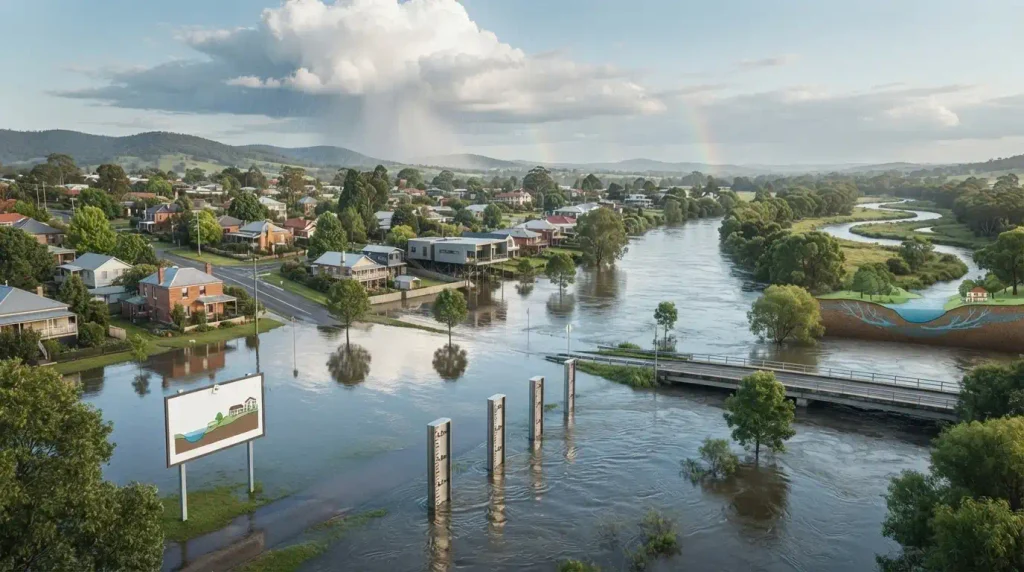
Flood fun facts highlight the surprising science, history, and natural oddities behind major water events. From fish falling from the sky during violent storms to ancient civilisations thriving on annual river overflows, exploring these facts reveals how moving water reshapes landscapes, ecosystems, and human history in unexpected ways.
Did you know that water is strong enough to move a massive two-ton boulder using just a few inches of rapid flow? Discovering mind-boggling flood fun facts shows us just how wild, unpredictable, and fascinating Earth’s natural water cycles can be.
When heavy rains fall, or rivers spill over their banks, nature creates strange phenomena that sound like scenes from a fantasy movie. Exploring these flood fun facts gives us a fresh appreciation for the immense power and curious quirks of planet Earth.
From ancient farming tricks to weird animal survival tactics, water events have shaped human history for thousands of years. Let us explore some of the most surprising and incredible stories behind moving water right now.
The Raw Power of Moving Water
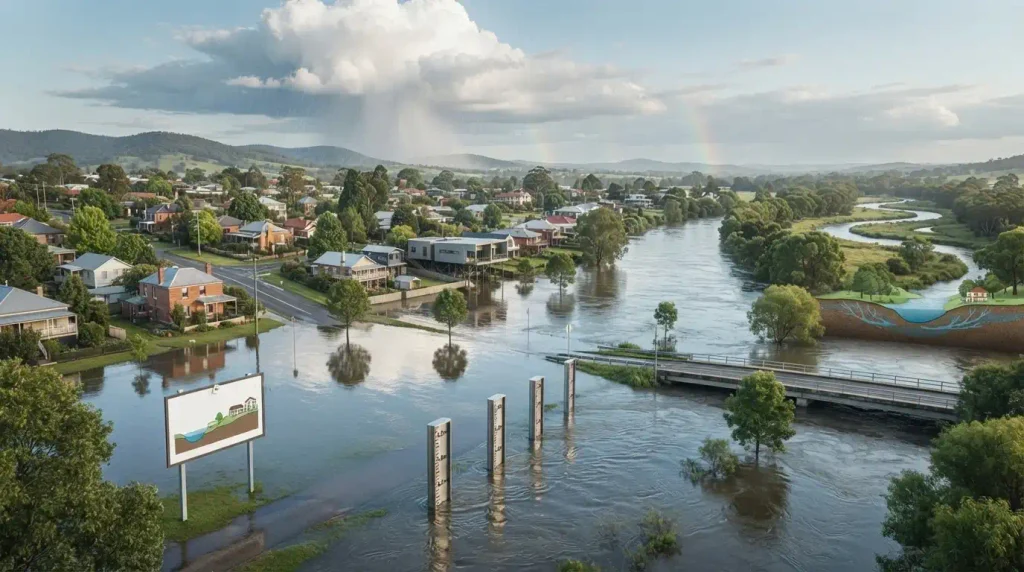
Water seems soft and gentle when you fill a glass at the sink or splash around in a backyard pool. However, when large volumes of water gather speed, they become one of the most destructive forces on the planet.
How Much Force Does Rising Water Really Have?
Just six inches of fast-moving water carries enough force to knock a fully grown adult off their feet. If that depth increases to just two feet, sweeping currents can float away large sport utility vehicles and heavy pickup trucks.
The Physics of Water Density and Displacement
Water weighs about 62.4 pounds per cubic foot, making a small swimming pool weigh hundreds of tons. When water flows down a slope, its massive weight combines with gravity to create incredible kinetic energy capable of tearing down brick walls.
The Role of Soil Saturation
Ground soil acts like a giant sponge, absorbing rainwater until tiny spaces between dirt particles fill up completely. Once soil reaches total saturation, any extra rain stays on top and rushes downhill as dangerous surface runoff.
Why Paved Cities Flood Faster Than Forests
Concrete streets and asphalt parking lots prevent rainwater from soaking naturally into the ground below. Cities rely heavily on storm drains, which can quickly overflow when torrential downpours outpace drainage capacity.
Weird Science and Strange Aquatic Phenomena

When massive atmospheric storms collide with rising water levels, nature occasionally produces events that seem completely unbelievable at first glance.
The True Story of Raining Animals
High-speed wind vortices and waterspouts can suck up small aquatic life like frogs, tiny fish, and crabs from shallow ponds. These creatures travel inside storm clouds for miles before falling back down with heavy rainfall over distant towns.
Swimming Creatures in Unexpected Places
During major overflow events, marine animals often swim into city streets, golf courses, and residential basements. People have documented bull sharks swimming across flooded suburban roads and carp taking over city parks.
Fire Ants Forming Living Lifeboats
Fire ants have developed an incredible survival mechanism that lets entire colonies float safely on rising waters. Thousands of ants link their legs and jaws together to build a waterproof raft that floats for weeks.
How Ancient Civilisations Relied on Annual River Overflows

While modern cities build concrete walls to block water, ancient human societies depended on seasonal river spills to grow food and build thriving empires.
The Nile River and Egyptian Agriculture
Ancient Egyptians celebrated the annual flooding of the Nile River as a vital blessing rather than a destructive disaster. The water deposited nutrient-rich dark silt across dusty desert fields, allowing farmers to grow abundant wheat and barley.
Mesopotamia and the Fertile Crescent
The Tigris and Euphrates rivers regularly spilled their banks, creating an agricultural paradise in the middle of desert landscapes. Early humans built complex canals and ditches to guide water directly into their crop fields.
Early Warning Systems in Ancient Times
Ancient societies carved special measuring markers called Nilometers into stone walls along riverbanks to track rising water levels. Reading these markers allowed priest officials to predict crop yields and calculate farm taxes months in advance.
Building Raised Mounds for Protection
Early settlements were intentionally constructed on elevated dirt mounds or naturally high hilltops along river basins. When seasonal waters covered low fields, families stayed safe and dry atop their elevated village platforms.
The Surprising Environmental Benefits of Rising Waters
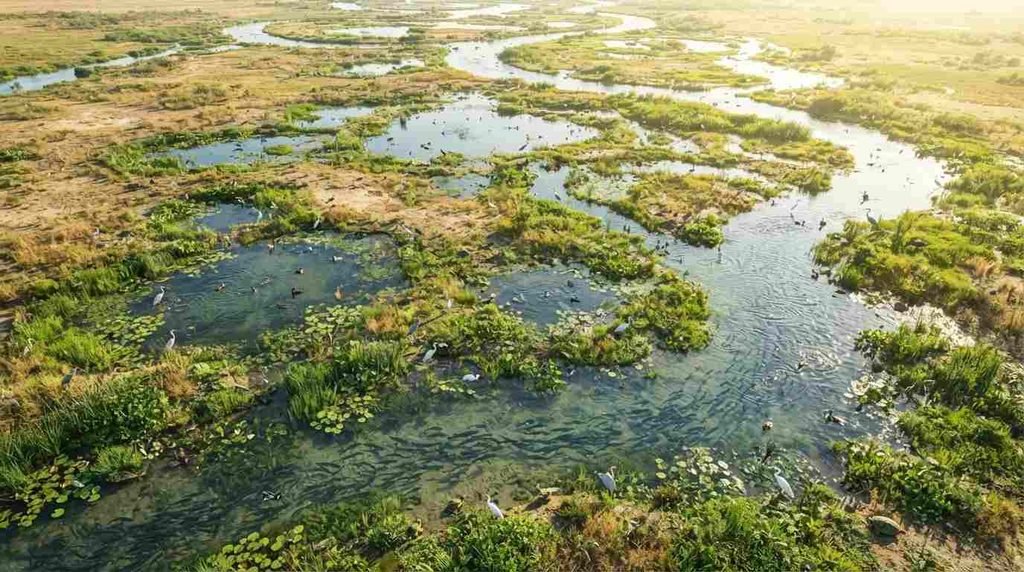
Although sudden water surges cause significant property damage, natural overflow cycles play an essential role in keeping ecosystems healthy.
Recharging Underground Aquifers
When river basins overflow into nearby grassy wetlands, water soaks deep into underground rock layers called aquifers. These natural underground reserves replenish fresh drinking water supplies used by millions of people worldwide.
Spreading Seeds and Creating Fish Nurseries
Moving water carries plant seeds miles downstream, allowing vegetation to colonize new shorelines and prevent soil erosion. Additionally, shallow, calm floodplains create safe nursery zones packed with food for young fish species.
Unbelievable Historical Water Outbursts
History is packed with unusual stories where unexpected liquids or strange weather patterns caused massive, surreal town disruptions.
The Great Molasses Incident of 1919
In January 1919, a massive storage tank burst in Boston, releasing a giant 25-foot wave of sweet, sticky molasses. The dense wave rushed down city streets at 35 miles per hour, destroying buildings and trapping horse-drawn carriages.
The London Beer Flood of 1814
A massive wooden vat containing fermented beer ruptured inside a London brewery in October 1814, spilling 323,000 gallons. A giant wave of dark beer swept through narrow neighborhood streets, knocking down brick walls along its path.
How Technology Helps Predict Natural Water Events

Modern science uses advanced satellite systems, computer modeling, and river sensors to track water movement and save lives.
Radar Satellites Tracking Weather Patterns
Meteorologists use high-tech Doppler radar and orbiting satellites to measure moisture levels inside heavy storm clouds. These tools calculate exact rainfall amounts, giving communities early warnings hours before water levels begin rising.
Automated River Gauges and Sensors
Networked sensors installed along major rivers send real-time water height data straight to weather centers using wireless radio signals. If water rises past safe thresholds, automated systems instantly trigger emergency alerts on local cell phones.
Practice Exercise
- How much fast-moving water is typically required to knock a standing adult off their feet?
A. Ten feet
B. Six inches
C. Three yards
D. Five meters - What incredible survival structure do fire ants build when water levels rise around their colony?
A. Submarines made of dried leaves
B. Deep underground stone tunnels
C. Floating waterproof rafts made from their linked bodies
D. High wooden towers built on tree branches - Why did ancient Egyptians look forward to the annual rising of the Nile River?
A. It washed away all their stone pyramids
B. It deposited rich, fertile silt on farmland for growing crops
C. It turned the entire river into salt water
D. It froze over so people could ice skate - What strange substance created a destructive 25-foot wave in Boston during 1919?
A. Liquid chocolate
B. Sticky molasses
C. Hot orange juice
D. Frozen milk - What happens when ground soil reaches total saturation during heavy rainfall?
A. Soil turns into solid stone instantly
B. Dirt absorbs water twice as fast
C. Extra rainwater stays on the surface as runoff
D. All plant roots stop growing permanently - How do high-speed waterspouts cause animals to “rain” from the sky?
A. They lift small pond animals into clouds before dropping them miles away
B. They teach frogs how to fly long distances voluntarily
C. They freeze ocean water into animal-shaped hail
D. They push underground animals straight up through deep wells - Why do urban cities with paved streets flood faster than natural forests?
A. Cities receive ten times more rainfall than forests
B. Asphalt and concrete prevent water from soaking naturally into the ground
C. Drains are designed to pump river water onto streets
D. Buildings attract storm clouds using magnetic fields
Answer Key: 1. B, 2. C, 3. B, 4. B, 5. C, 6. A, 7. B, 8. B
FAQs
What is the difference between a flash flood and a regular flood?
A flash flood happens suddenly within six hours of heavy rainfall, dam failures, or mudslides. Regular overflows occur slowly over several days or weeks as melting snow or continuous seasonal rain causes rivers to gradually spill their banks.
How do scientists define a hundred-year flood event?
A hundred-year flood event is an environmental threshold that has a one-percent chance of happening during any given year. It does not mean the event occurs only once every century, as extreme weather can trigger them in consecutive years.
Can water really move large boulders and concrete bridges?
Yes, fast-moving water possesses immense density and kinetic energy capable of lifting heavy objects. As speed doubles, the force of flowing water quadruples, allowing raging currents to push massive boulders, trees, and heavy steel structures downstream easily.
What should you do if your car encounters deep water on a road?
Never attempt to drive through deep water across roadways, as depth is difficult to judge accurately. Turn your vehicle around immediately and seek higher ground, because shorting electrical systems or floating in currents puts drivers in severe danger.
Why do some deserts experience sudden flash surges?
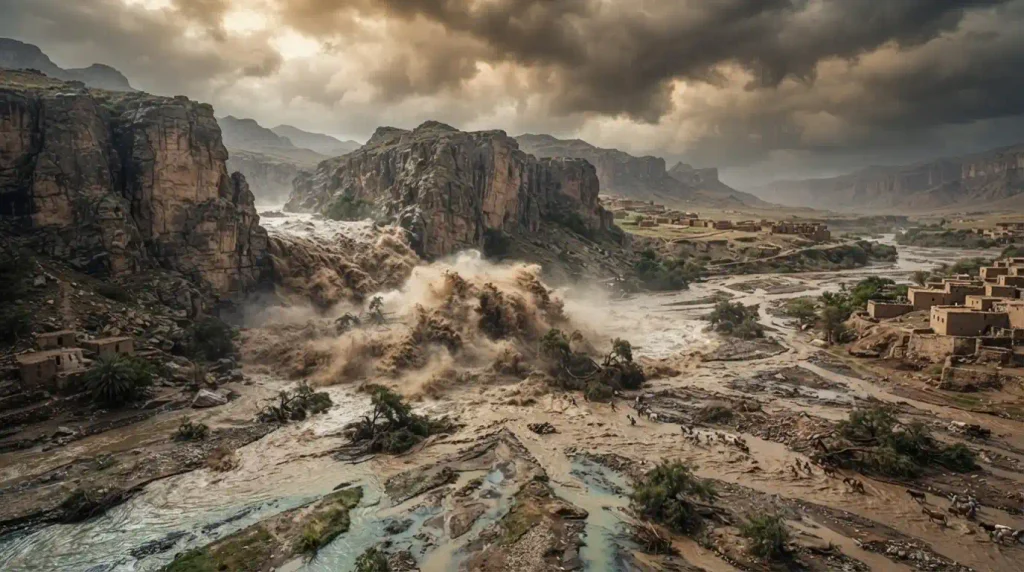
Desert soil is dry, baked hard by heat, and lacks dense plant root systems to absorb moisture. When rare heavy rainstorms hit desert basins, water rolls over the hardened ground like concrete, filling dry riverbeds in minutes.
Conclusion
Exploring these incredible flood fun facts highlights the amazing power, historical importance, and surprising science of natural water cycles. Moving water has built ancient civilisations, reshaped land formations, and created some of the most unusual natural events on Earth.
Understanding these flood fun facts helps us respect nature while appreciating the delicate balance that keeps our world thriving. Learning about flood fun facts reminds us how deeply interconnected weather patterns, ecosystems, and human history truly are.
Next time you see heavy rain falling, share these fascinating flood fun facts with friends and family to spark an exciting conversation!

Ghzala Rani is the creator and writer behind Funzonest.com, a website dedicated to making everyday topics more enjoyable, interesting, and easy to understand. With a passion for engaging content, Ghzala focuses on creating helpful articles that inform, entertain, and provide readers with useful ideas and insights.
Through Funzonest.com, Ghzala Rani aims to build a friendly online space where readers can discover fresh content and explore topics presented in a simple and enjoyable way. Her writing style focuses on clarity, originality, and reader value. She is committed to publishing well-researched and engaging content that keeps visitors informed while making their time on the website enjoyable.