
Keeping your dog engaged and entertained requires balancing physical exercise, brain games, and positive social play. By introducing structured puzzle toys, outdoor games, and daily interactive training routines, dog owners can prevent boredom, boost happiness, and build a stronger lifelong bond with their canine companion.
Have you ever noticed how a happy pup brightens up the entire room with a single tail wag? Keeping your dog on fun routines keeps their mind sharp, builds confidence, and prevents destructive habits at home.
When you focus on keeping your dog on fun daily adventures, everyday training turns into an exciting game you both enjoy. Simple activities like hiding treats or playing fetch can transform a dull afternoon into pure joy.
Let’s explore awesome activities, unique games, and smart tips that keep your dog on the fun track every single day. Get ready to turn your daily routine into a happy bonding experience!
Why Physical Exercise Keeps Dogs Healthy and Happy
Every dog needs regular physical activity to burn off extra energy and maintain a healthy body weight. Without enough daily exercise, dogs often develop behavioral issues like barking, chewing furniture, or digging holes in the yard.
Regular movement strengthens muscles, improves heart health, and keeps joints flexible as your pet grows older. Combining physical movement with mental challenges gives your furry friend the ultimate daily workout.
Matching Exercise to Your Dog’s Breed and Age
High-energy breeds like Border Collies and German Shepherds require hours of vigorous play every day. On the other hand, smaller breeds or older dogs thrive on shorter, gentler walks around the neighborhood.
Always adjust the intensity of play based on your pet’s current fitness level and local weather conditions. Hot summer pavement can burn tender paws, while cold winter ice requires protective boots or shorter outings.
How Much Daily Activity Does Your Dog Need?
Most healthy adult dogs benefit from at least 30 to 60 minutes of active exercise each day. Puppies need short bursts of playtime interspersed with frequent naps so their growing bones remain safe.
Senior dogs still love moving around, but they prefer calm walks and low-impact games like gentle tug-of-war. Watching your dog’s breathing and energy levels helps you decide when to take a relaxing water break.
Brain Games to Challenge Your Canine’s Mind
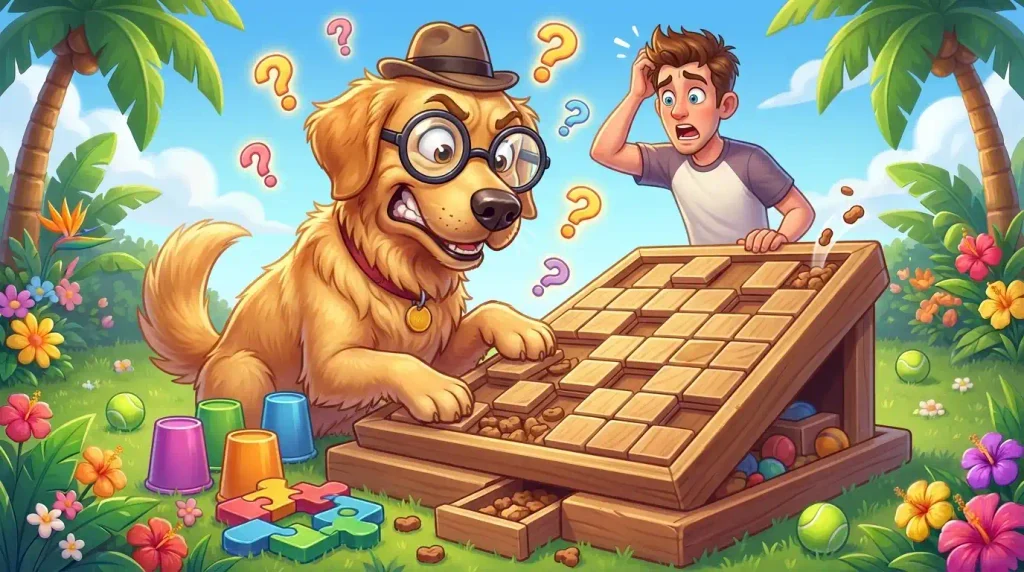
Mental stimulation is just as crucial as physical exercise for a dog’s overall well-being. A tired brain leads to a calm, satisfied pet that sleeps peacefully throughout the night.
Brain games prevent mental boredom and teach your dog how to solve problems independently. You can easily create amazing cognitive puzzles using simple items already sitting around your home.
DIY Puzzle Games Using Household Items
You do not need expensive store-bought toys to challenge your dog’s intelligence every afternoon. A simple muffin tin filled with tennis balls hiding small kibble pieces creates an instant puzzle.
Rolled-up bath towels stuffed with treats also force your dog to use their nose and paws to unroll the fabric. These budget-friendly games keep dogs entertained for long stretches while you relax or work.
Interactive Snuffle Mats and Treat Dispensers
Snuffle mats are fabric mats designed with dense fleece strips that hide tiny dry treats deep inside. Searching for hidden food encourages natural foraging instincts and releases soothing brain chemicals.
Rubber treat dispensers like KONGs can be filled with peanut butter or wet food and frozen overnight. The freezing process makes the challenge last longer, providing continuous entertainment on rainy afternoons.
Fun Outdoor Adventures for You and Your Dog
Taking your dog outside opens up a whole world of rich scents, exciting sights, and unique physical challenges. Nature provides a natural playground that stimulates every one of your dog’s senses at once.
Changing your regular walking routes prevents boredom and keeps daily outings feeling fresh and interesting. Exploring new places builds your dog’s confidence when encountering unfamiliar sounds and environments.
Hiking on Nature Trails and Forest Paths
Dirt trails offer soft surfaces that are easy on canine paws compared to hot concrete sidewalks. Smelling wild trees, plants, and small woodland animal tracks keeps your dog’s brain fully engaged.
Always bring plenty of fresh water, a collapsible bowl, and a sturdy leash when hiking in remote areas. Check your dog for ticks and burrs after returning from long walks through high grass or forests.
Swimming and Beach Fun for Water-Loving Pups
Many dogs naturally love splashing around in shallow lakes, calm rivers, and ocean waves. Swimming offers a fantastic low-impact workout that builds muscle strength without stressing tender joints.
Equip your dog with a comfortable canine life jacket, especially when swimming in deep or moving water. Rinse off salt, sand, or lake algae with clean hose water immediately after playing in the water.
Indoor Games for Rainy or Cold Days
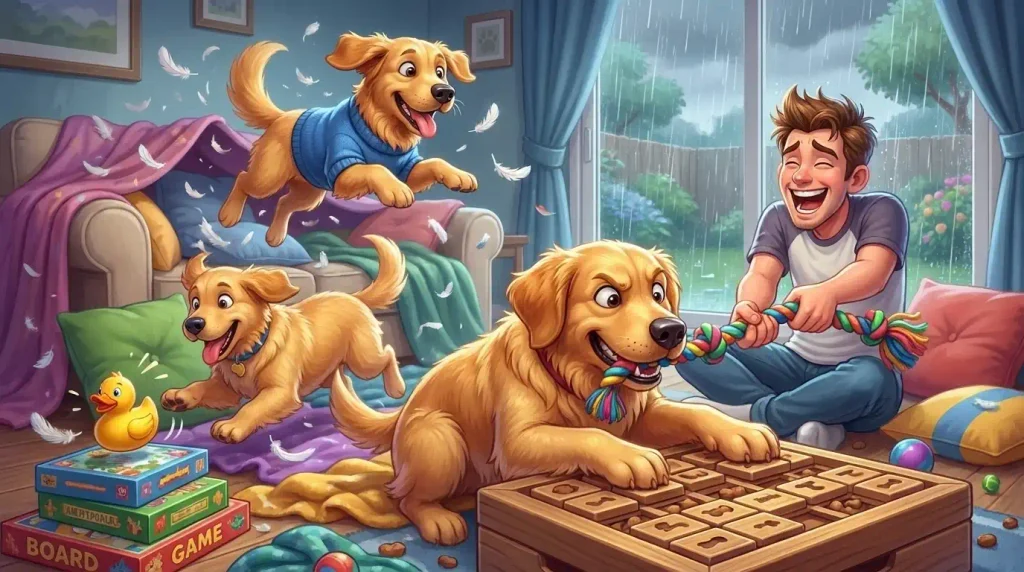
When bad weather keeps you stuck inside, you can still provide incredible physical and mental play. Indoor activities keep your dog active without requiring massive open spaces or specialized equipment.
Transforming your living room into a safe indoor playground prevents boredom when outdoor walks are brief. These indoor games strengthen communication and teach your pet how to focus around household items.
The Classic Hide-and-Seek Game
Hide-and-seek is a fantastic game that practices recall commands while burning off excess indoor energy. Ask your dog to stay in one room while you slip into another room and hide behind a door.
Call your dog’s name once and reward them enthusiastically with praise or treats when they sniff you out. This simple game strengthens your bond and entertainingly reinforces critical listening skills.
Building an Indoor Agility Obstacle Course
Create a fun obstacle course using living room cushions, sturdy cardboard boxes, and broomsticks balanced on chairs. Guide your dog over low broomsticks, through cardboard tunnels, and around soft pillow mazes.
Use small food rewards to guide them gently through each obstacle at a safe, slow pace. This activity improves physical balance, spatial awareness, and trust between you and your canine companion.
Teaching Fun Tricks Beyond Basic Obedience
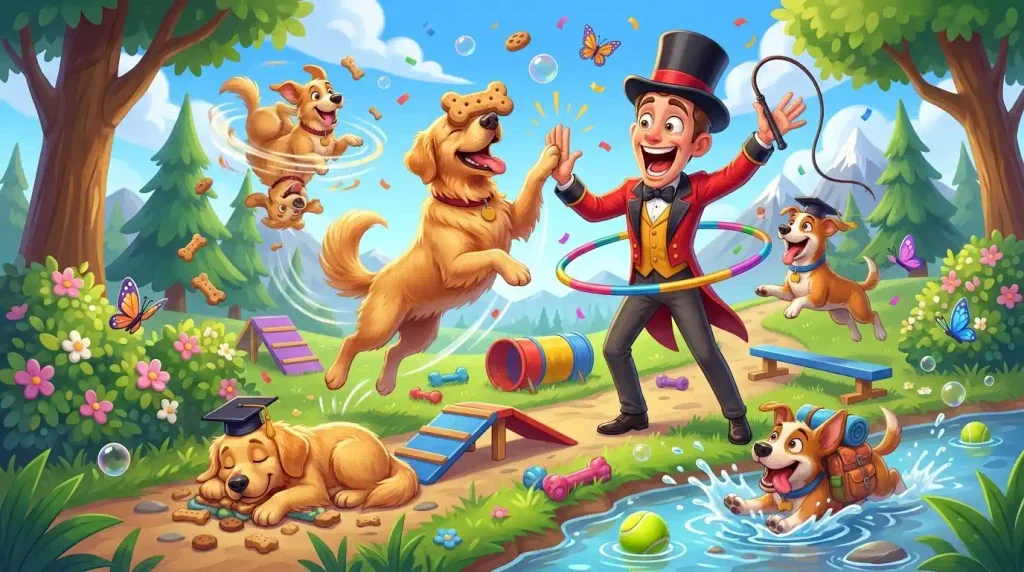
Once your dog masters basic commands like sit, stay, and down, teaching novel tricks keeps learning enjoyable. Novel tricks give your pet positive goals to work toward during brief daily training sessions.
Positive reinforcement techniques like treat rewards and clicker sounds make learning feel like an exciting game. Short five-minute training sessions keep your dog eager to learn without feeling overwhelmed or tired.
Spin, Shake, and Roll Over
Teaching your dog to turn in circles or shake hands relies on simple lure training methods. Hold a fragrant treat right in front of their nose and slowly guide their body into the target movement.
Say the cue word right as they complete the motion, then immediately hand over the delicious reward. Practicing these cute tricks builds physical coordination and entertains visitors who come over to visit.
Cleaning Up Toys Into a Basket
Teaching a dog to put their own toys away into a designated storage bin seems like magic. Start by rewarding your dog for picking up a toy and carrying it near the open toy basket.
Mark and reward the exact moment they drop the toy inside the container using a cue like “clean up.” With patience, your dog learns to tidy up their play area before receiving their final reward.
Socialization and Playdates with Other Dogs
Dogs are social pack animals that often thrive when interacting with well-behaved furry friends. Proper socialization prevents fear-based aggression and teaches dogs how to communicate using polite body language.
Organizing controlled playdates creates safe opportunities for dogs to burn energy together through chase and wrestling. Watching dog body language ensures everyone stays safe and happy during group play.
Finding the Right Dog Park Environment
Dog parks offer wide open spaces where pets can run freely and play off-leash with local dogs. Choose parks that feature separate areas for large and small dogs to avoid accidental injuries during play.
Visit during quiet hours first so your dog gets comfortable with the park layout before meeting large crowds. Always clean up after your pet and monitor their interactions closely at all times.
Hosting Controlled Backyard Playdates
Inviting a familiar dog over for a backyard playdate is often safer and less overwhelming than public parks. Ensure both dogs have plenty of fresh water bowls and clear pathways to run around freely.
Remove high-value items like favorite chew bones or special toys to prevent possessive guarding behavior. Give both dogs quiet breaks if their wrestling gets overly intense or vocal during playtime.
Water Fun and Summer Cooling Games
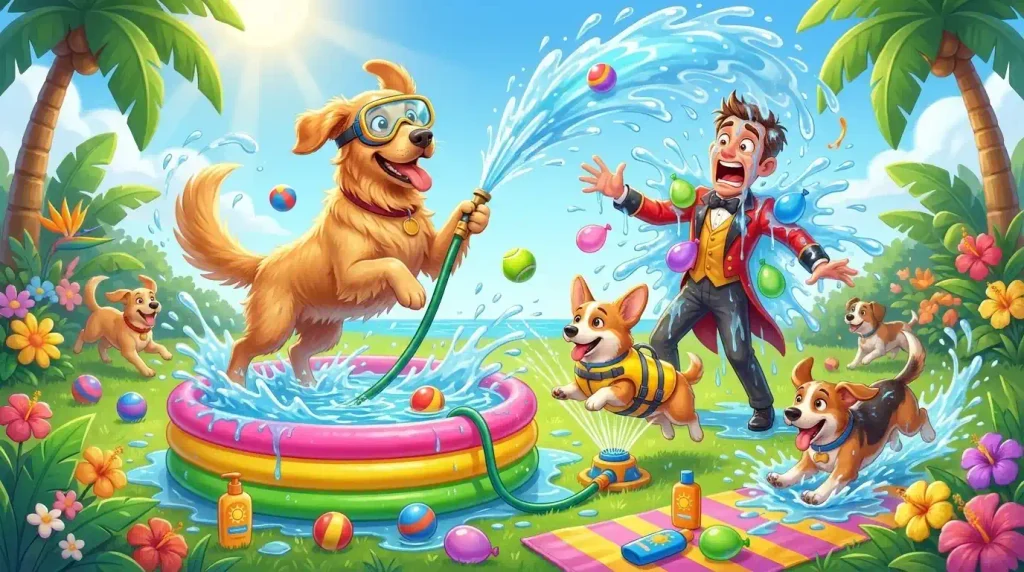
Summer heat can make outdoor exercise dangerous if you do not take proper precautions against overheating. Water-based games cool down hot dogs while providing endless entertainment in the backyard.
Always supervise water play carefully and provide shaded areas where your pet can rest out of direct sunlight. Keeping water temperatures cool protects your dog from heat exhaustion on sweltering afternoon days.
Setting Up a Backyard Splash Pad or Kiddie Pool
A shallow plastic pool filled with cool water offers an instant summer paradise for heat-sensitive pets. Toss floating rubber balls or plastic toys into the water to encourage your dog to splash and retrieve them.
Commercial dog splash pads connect directly to garden hoses, spraying gentle water streams into the air. Pups love chasing the moving water droplets, jumping over sprays, and cooling off their paws.
Making Frozen Homemade Pup Popsicles
Create delicious frozen treats by mixing dog-safe ingredients like unsweetened applesauce, plain yogurt, and chicken broth. Pour the mixture into silicone ice cube trays or muffin tins and freeze them completely.
Drop a few frozen treats into the yard grass for a refreshing, long-lasting summer snack challenge. These icy treats keep your pet hydrated while offering a tasty way to cool their core temperature down.
Scent Work and Nose Games for Beginners
A dog’s sense of smell is estimated to be tens of thousands of times more sensitive than human sight. Engaging your dog’s powerful nose in scent detection games provides intense mental exercise in short periods.
Nose work builds focus, relieves anxiety, and allows every dog breed to use their natural hunting instincts. You can start basic scent games right in your living room using everyday snacks and cardboard boxes.
The Three-Cup Shell Game
Place three small plastic cups upside down on the floor in a straight line in front of your dog. Hide a smelly treat under one cup while your dog watches, then encourage them to find it.
Say “find it” and let your dog nudge the correct cup with their nose or paw to claim the treat. As your dog gets better at the game, shuffle the cups around to create a fun challenge.
Hiding Treats Around the House
Create an exciting treasure hunt by placing small dog treats under chair legs, behind doors, and on low shelves. Start with easy hiding spots so your dog grasps the concept quickly without getting frustrated.
Gradually hide treats in trickier locations as your pet learns to rely entirely on their nose rather than vision. This game keeps dogs busy for half an hour, hunting down every last hidden morsel.
Safety Tips for High-Energy Canine Games
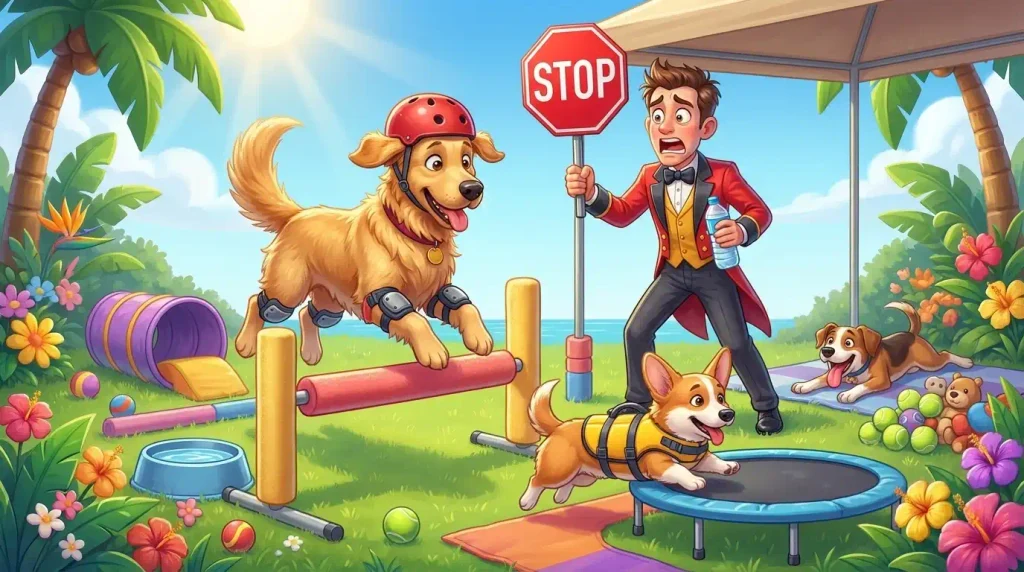
Keeping activities safe ensures your dog stays healthy and avoids accidental trips to the emergency vet clinic. Always inspect toys for torn seams, broken plastic pieces, or loose squeakers that could be swallowed.
Warm up your dog’s muscles with a short walk before jumping into high-impact games like frisbee or agility. Avoid intense jumping games on slippery hardwood or tile floors to prevent painful muscle tears.
- Provide constant access to clean, fresh drinking water during all play sessions.
- Rest your dog for at least thirty minutes after meals before starting heavy exercise.
- Check foot pads regularly for cuts, thorns, or hot pavement burns after outdoor play.
- Stop games immediately if your dog displays heavy panting, drooling, or sudden lethargy.
- Use soft, flexible rubber frisbees instead of hard plastic discs to protect canine teeth.
Practice Exercise
- What is the minimum recommended daily exercise time for most healthy adult dogs?
A. 10 minutes
B. 30 to 60 minutes
C. 3 hours
D. 5 hours - Which household item can be easily combined with tennis balls to create a simple DIY puzzle?
A. Shoe box
B. Muffin tin
C. Plastic bucket
D. Glass jar - Why are snuffle mats beneficial for dogs during feeding time?
A. They clean canine teeth automatically.
B. They encourage natural foraging instincts and brain use.
C. They speed up how fast a dog eats food.
D. They cool down hot meals instantly. - What safety gear is recommended when taking dogs swimming in deep or moving water?
A. Canine life jacket
B. Rubber rain boots
C. Heavy leather harness
D. Reflective collar only - What simple game helps practice recall commands while burning off indoor energy?
A. Tug-of-war
B. Hide-and-seek
C. Paw shaking
D. Fetch in a hallway - How long should daily trick training sessions typically last to keep dogs engaged?
A. 5 minutes
B. 45 minutes
C. 2 hours
D. 3 hours - What should be removed during a backyard playdate to prevent resource guarding?
A. Fresh water bowls
B. Favorite chew bones and special toys
C. Shade umbrellas
D. Grass mats - Which ingredient is safe to use when making frozen homemade pup popsicles?
A. Chocolate syrup
B. Plain unsweetened yogurt
C. Xylitol sweetener
D. Onion powder - How sensitive is a dog’s sense of smell compared to human vision?
A. Equal sensitivity
B. Twice as sensitive
C. Tens of thousands of times more sensitive
D. Slightly weaker than humans - Why should dogs rest after eating before engaging in heavy physical exercise?
A. To prevent digestive issues like stomach bloat
B. To make them run faster later
C. To keep their paws cool
D. To clean their teeth naturally
Answer Key:
- B | 2. B | 3. B | 4. A | 5. B | 6. A | 7. B | 8. B | 9. C | 10. A
FAQs
How do I know if my dog is getting enough exercise?
A well-exercised dog appears calm, contented, and rests quietly at home without displaying destructive behaviors. If your dog barks excessively, chews furniture, or paces constantly, they likely need more daily physical movement and mental stimulation activities.
Are laser pointers safe toys for dogs?
Laser pointers are generally not recommended for dogs because they can cause severe psychological frustration. Pups cannot physically catch the light beam, which often leads to compulsive light-chasing behaviors and anxiety around shadows in your home.
What are the best indoor games for senior dogs?
Senior dogs thrive on gentle, low-impact games like snuffle mats, simple scent detection hide-and-seek, and easy trick training. These activities keep their minds sharp and active without placing unnecessary stress on aging joints or sore muscles.
Can mental games replace physical walks for dogs?
Mental games provide amazing brain stimulation, but they should complement physical walks rather than replace them completely. Dogs still need outdoor walks for cardiovascular health, muscle maintenance, bathroom breaks, and environmental scent exploration every day.
How do I stop my puppy from biting during games?
If your puppy nips your hands during play, immediately stop moving, utter a high-pitched “ouch,” and pause the game for twenty seconds. Redirect their biting energy onto an appropriate chew toy so they learn that teeth belong on toys.
What should I do if my dog gets overheated during play?
If your dog pants heavily, drools excessively, or slows down dramatically, move them into shade immediately. Offer small sips of cool water, apply damp towels to their belly and paws, and stop all physical play until they recover fully.
How can I make fetch more exciting for my dog?
You can make fetch more engaging by using varying ball textures, incorporating frisbees, or adding training commands before throwing the toy. Asking your dog to sit or wait before releasing the ball builds self-control while keeping the game thrilling.
Conclusion
Keeping your dog on fun, engaging daily routines is one of the best gifts you can give your pet. Blending physical exercise, brain puzzles, and positive social play keeps your canine companion healthy, happy, and well-behaved.
From simple DIY muffin tin puzzles to exciting nature trail hikes, every activity strengthens your special bond. Keeping your dog on fun activities prevents boredom and creates lasting memories you will both treasure forever.
Start trying these exciting activities with your pet today and keep your dog on the fun track every single day!

Ghzala Rani is the creator and writer behind Funzonest.com, a website dedicated to making everyday topics more enjoyable, interesting, and easy to understand. With a passion for engaging content, Ghzala focuses on creating helpful articles that inform, entertain, and provide readers with useful ideas and insights.
Through Funzonest.com, Ghzala Rani aims to build a friendly online space where readers can discover fresh content and explore topics presented in a simple and enjoyable way. Her writing style focuses on clarity, originality, and reader value. She is committed to publishing well-researched and engaging content that keeps visitors informed while making their time on the website enjoyable.