
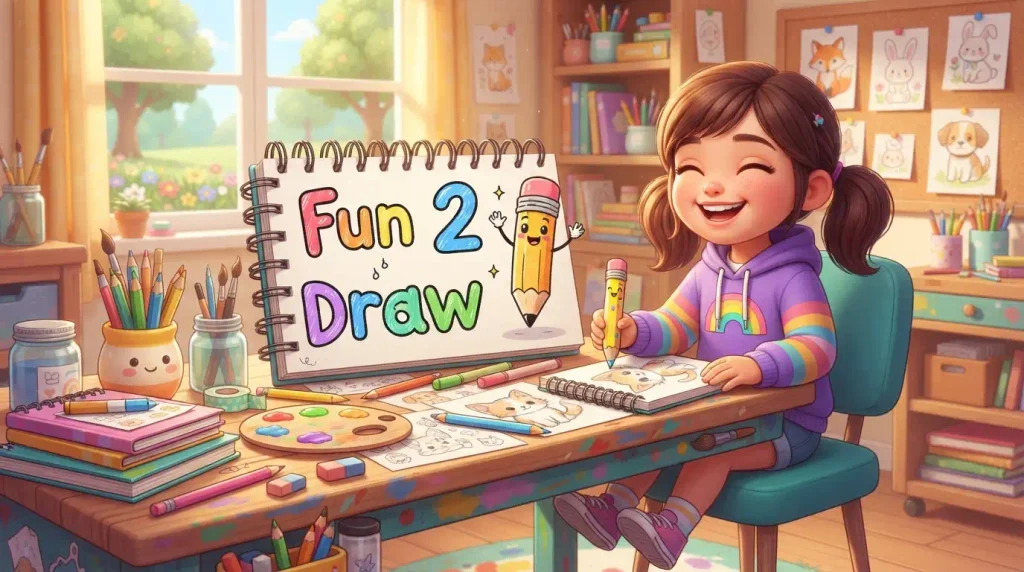
Choosing a fun 2 Draw approach breaks complex artistic subjects into simple geometric shapes, guided lines, and playful character designs. By focusing on step-by-step sketching routines rather than rigid realism, beginners of all
Have you ever stared at a blank sheet of paper and wondered where to place the very first pencil stroke? Finding a fun 2 Draw style turns that intimidating white space into an inviting playground for your imagination.
Learning through a fun 2 Draw system strips away frustrating rules, replacing strict technical demands with quick, satisfying artistic victories. You learn to view complex animals, people, and objects as basic building blocks that fit together like a fun puzzle.
Whether you want to sketch cute cartoon pets or doodle playful patterns in your journal, taking a relaxed approach keeps creative energy flowing smoothly. Let us explore how simple drawing techniques transform everyday doodling into a rewarding, lifelong passion.
Why Playful Doodling Outperforms Strict Realism

Traditional art training often pushes students toward precise proportions, complex perspective lines, and heavy shading before they even feel comfortable holding a pencil. Playful sketching flips that dynamic by making creative expression immediately satisfying.
When you draw for pure entertainment, your brain releases dopamine with every finished sketch. That sense of accomplishment builds habit consistency, which naturally improves your artistic skills far faster than forced practice.
The Science of Shape Decomposition
Every complex object in the physical world consists of basic geometric forms like circles, ovals, squares, and triangles. When you train your eyes to see an owl as an oval body with two circles for eyes, drawing becomes effortless.
Overcoming the Fear of Erasing
Perfectionism causes many starting artists to press down too hard with graphite, making corrections look messy. Embracing a casual sketching mindset encourages light guidelines that erase cleanly without leaving deep grooves in your paper.
Setting Up Your Ideal Drawing Workspace
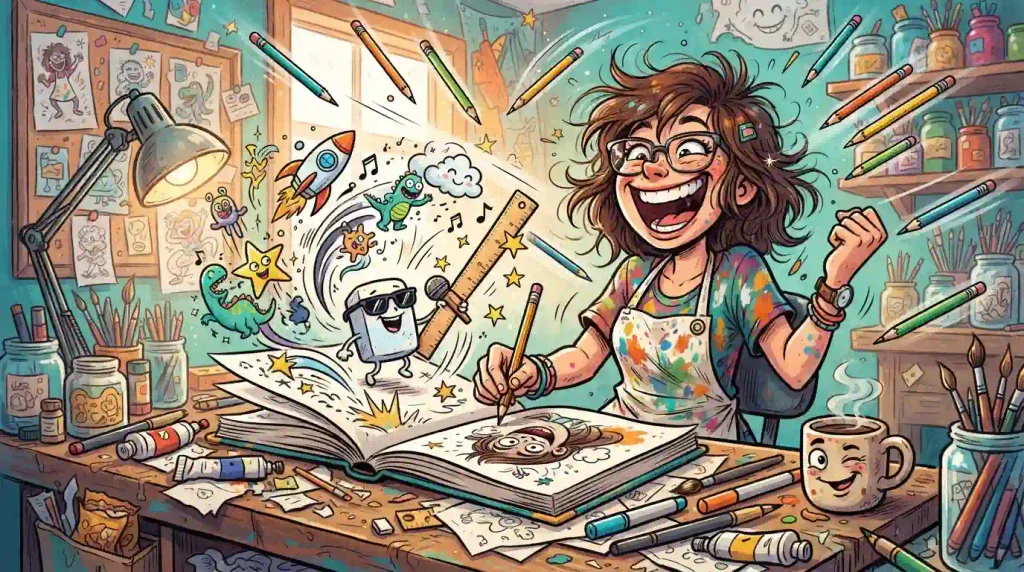
You do not need a fancy art studio or expensive digital tablets to create delightful illustrations. Gather a few basic supplies so you can draw whenever inspiration strikes.
Choosing the Best Paper and Pencils
Standard printer paper works well for quick warm-up doodles, but smooth sketchbook paper prevents ink from bleeding through. Smooth surfaces allow graphite to glide effortlessly without catching on paper grain.
- Standard HB pencils offer the perfect balance between dark lines and easy erasability for layout work.
- Soft vinyl erasers remove unwanted guidelines without tearing paper or leaving smudge smears.
- Fine-liner pens add crisp, permanent black outlines once your pencil layout looks balanced.
Adding Color for Extra Visual Pop
Once your line art is complete, applying color brings your creation to life. Alcohol markers deliver smooth, streak-free shading, while colored pencils allow soft, layered gradients across large areas.
Digital Tools for On-the-Go Doodling
If you prefer drawing on tablets, basic drawing apps offer customizable digital brushes and infinite undo buttons. Digital layers allow you to sketch guidelines on one plane while drawing clean final lines on another.
Step-by-Step Character Construction Methods
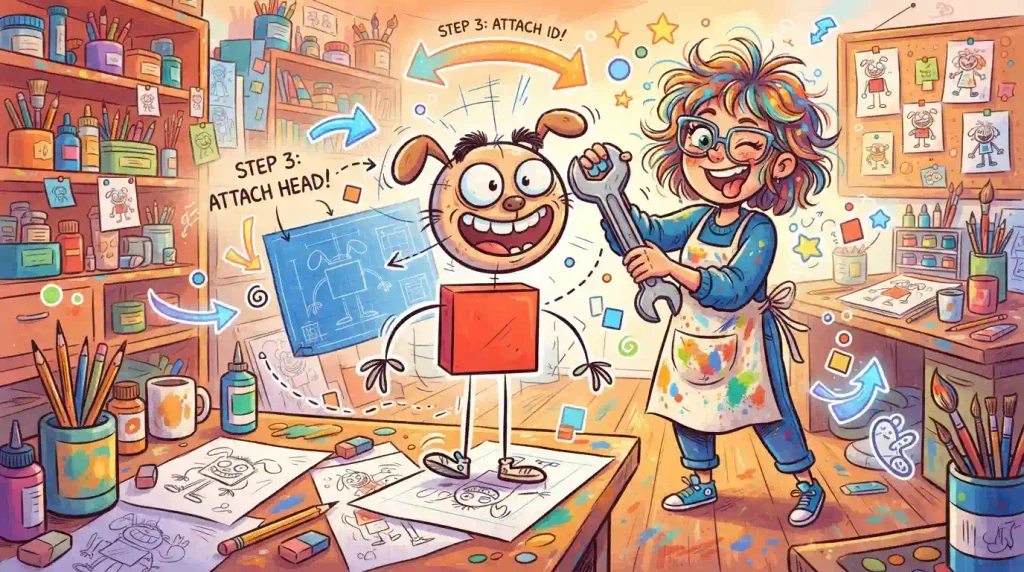
Creating memorable cartoon characters relies on expressive facial features, exaggerated body shapes, and clear silhouettes.
Crafting Expressive Eyes and Expressions
Eyes serve as the emotional heart of any character sketch. Changing eye shapes, pupil sizes, and eyebrow angles instantly communicates excitement, curiosity, or funny surprise.
Exaggerated Proportions for Cute Characters
Drawing oversized heads on small bodies creates an instantly appealing visual style known as Chibi art. This technique emphasizes innocence and warmth, making characters appear friendly and approachable.
Four Quick Steps to Draw a Cute Mascot
- Lightly sketch a large circle for the head and a smaller oval underneath for the torso.
- Add two huge circles in the middle of the face, leaving small white dots inside for eye highlights.
- Draw simple curved lines for arms and legs, keeping hands rounded without individual fingers.
- Trace your final lines with a dark pen, then gently erase the underlying pencil guidelines.
Essential Techniques for Growing Artists
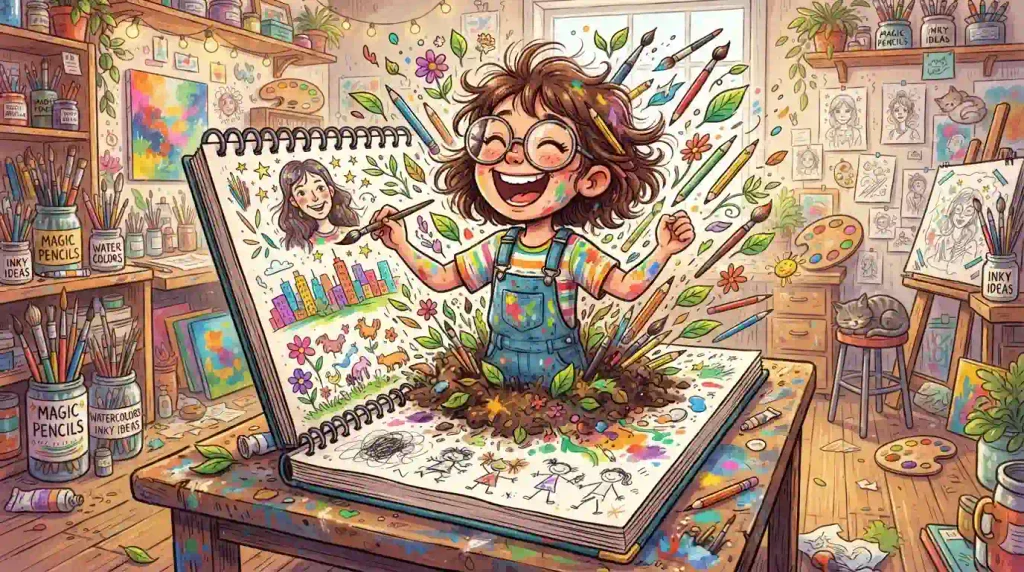
As you gain confidence with basic shapes, moving from simple doodles to detailed illustrations comes down to mastering a few core techniques. Learning how lines, shading, and proportions work together instantly adds depth, personality, and realism to your sketches. By focusing on these fundamental building blocks, you will naturally transform flat pencil marks into dynamic artwork that pops off the page.
Mastering Light Line Work and Inking
Controlling pencil pressure is the secret to clean, flexible drawings. Starting with soft, feather-light strokes allows you to map out guidelines effortlessly, while going over your final shapes with a dark pen or fine-liner gives your art a crisp, professional finish.
Understanding Basic Shading and Value
Adding light and shadow turns simple flat shapes into three-dimensional forms. By observing where your light source comes from and applying soft gradients or hatching, you can create realistic depth, smooth curves, and bold contrast across your drawings.
Capturing Proportions and Dynamic Movement
Learning how different parts of an object or character relate to each other keeps your art looking balanced and natural. Using quick action lines helps you capture energy and motion, allowing your figures to look lively rather than stiff or frozen.
Fun Drawing Challenges to Keep Inspiration Flowing
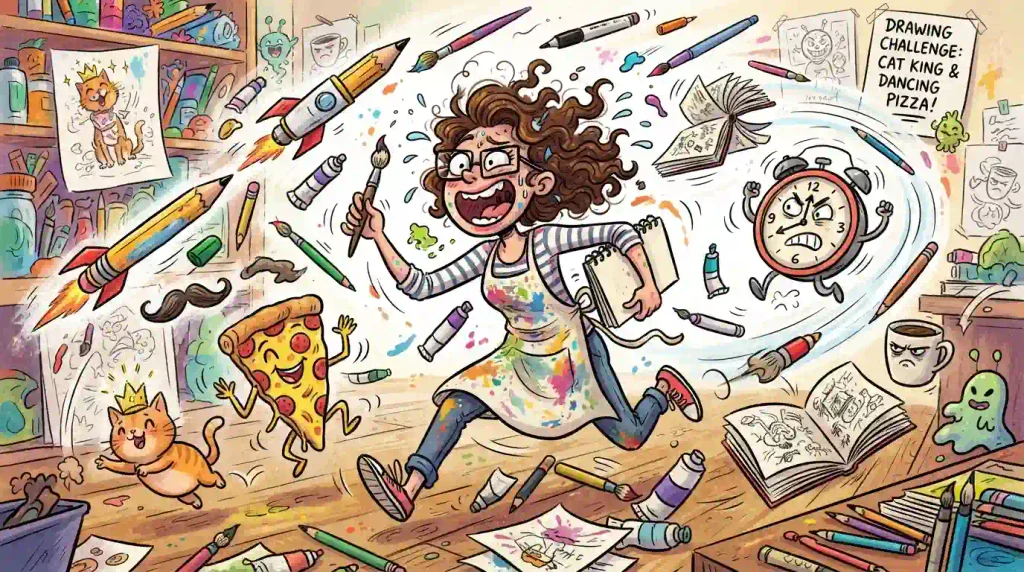
Running out of ideas is a common obstacle for artists of all skill levels. Structured drawing activities spark creativity and turn practice into an engaging game.
The 3-Circle Creativity Warm-Up
Draw three plain circles on a page. Challenge yourself to turn one into an apple, one into a smiling monster face, and one into a rolled-up sleeping cat within two minutes.
Combining Random Objects
Combine two totally unrelated things into a single funny character. Imagine drawing an avocado wearing roller skates or a coffee mug blasting off like a space rocket.
How Daily Sketching Enhances Brain Function
Doodling is far more than an idle pastime; it actively engages multiple regions of your brain simultaneously, improving focus and spatial reasoning.
Sharpening Visual Memory and Observation
Regular drawing forces you to observe details you might normally overlook, such as how light falls across a surface or how tree branches split into smaller twigs.
Promoting Mindfulness and Stress Reduction
Focusing on pencil movements pulls your attention away from daily worries. The rhythmic action of shading lowers heart rates and induces a relaxing, meditative mental state.
Common Mistakes Beginners Make and How to Fix Them
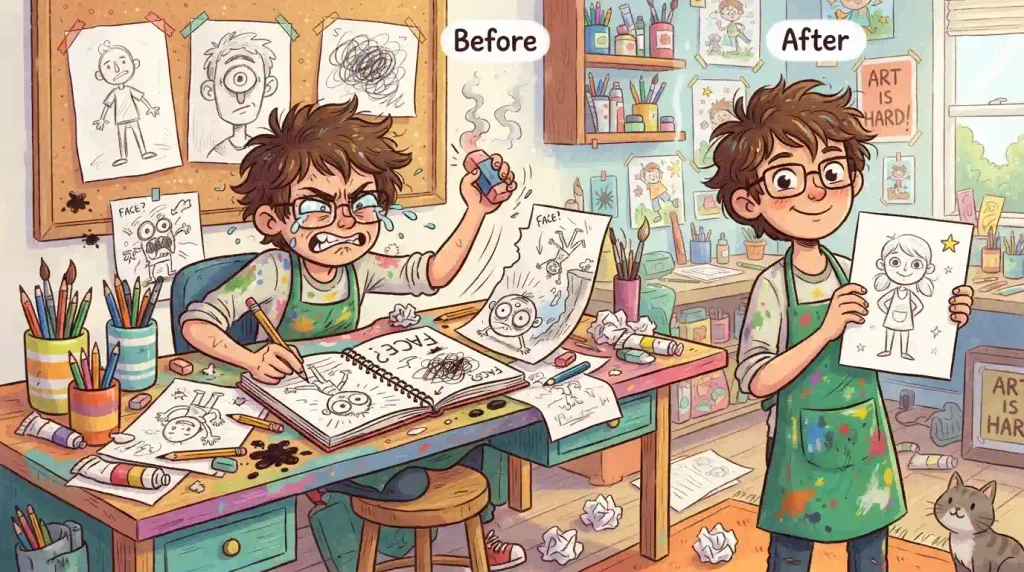
Even passionate artists fall into predictable traps when starting. Identifying these common habits helps you correct them quickly.
Pressing Down Too Hard on the Paper
Heavy pressure creates deep indentations in paper that remain visible even after erasing. Keep your wrist loose and hold your pencil lightly toward the middle of the barrel for softer lines.
Over-Complicating Early Line Work
Trying to draw every strand of hair or individual leaf creates chaotic, muddy images. Group complex details into broad, simple shapes before adding selective accent lines.
- Keep a scrap piece of paper under your hand to avoid smudging soft graphite lines.
- Turn your sketchbook sideways or upside down whenever drawing tricky curved lines.
- Take frequent breaks every twenty minutes to rest your eyes and evaluate your drawing from a distance.
Transitioning from Paper to Digital Canvas
Upgrading to digital art opens up exciting possibilities like infinite color palettes, instant layer adjustments, and pressure-sensitive brush strokes.
Understanding Digital Canvas Layers
Think of digital layers as clear sheets of plastic stacked on top of each other. You can sketch on the bottom layer, ink on the middle layer, and color on the top layer without ruining line work.
Mastering Digital Brush Settings
Digital art software offers brushes that mimic real pencils, watercolors, and acrylic paints. Starting with a basic round brush with pen pressure enabled keeps controls manageable.
Practice Exercise
Test Your Drawing Skills
1. What is the main advantage of breaking complex objects into basic geometric shapes?
A. It simplifies proportions and makes drawing easier for beginners.
B. It makes paper look darker instantly.
C. It prevents pencils from wearing down.
D. It requires expensive rulers for every line.
2. Which pencil grade is suitable for light, erasable preliminary guidelines?
A. 9B Soft Graphite
B. Red Crayon
C. HB Standard Pencil
D. Permanent Black Ink Pen
3. What visual characteristic defines the Chibi drawing style?
A. Microscopic heads with oversized bodies.
B. Photorealistic portraits without color.
C. Geometric shapes without facial features.
D. Oversized heads with small, cute body proportions.
4. Why is holding a pencil loosely away from the tip useful for initial sketches?
A. It creates lighter, looser lines that are easier to erase.
B. It makes the pencil break more easily.
C. It keeps the drawing desk dust-free.
D. It automatically makes sketches darker.
5. How do white dots inside cartoon character eyes affect the drawing?
A. They make the character appear sleepy.
B. They indicate that the artwork is unfinished.
C. They create highlights that make the eyes look lively.
D. They cover mistakes made with black ink.
Drawing Techniques and Creative Practice
6. What is the primary function of a soft vinyl eraser?
A. To blend acrylic paint smoothly.
B. To remove graphite guidelines without damaging the paper.
C. To polish a wooden drawing desk.
D. To cut paper into equal pieces.
7. How can daily doodling support mental wellness?
A. It guarantees professional art sales.
B. It replaces the need for adequate sleep.
C. It teaches advanced programming skills.
D. It can promote mindfulness, reduce stress, and improve focus.
8. What does digital layering allow artists to do?
A. Separate sketches, line art, and colors into different editable layers.
B. Print paper without using ink.
C. Draw without using a screen.
D. Remove permanent marker from furniture.
9. What can help prevent graphite from smudging when your hand rests on the page?
A. Washing the sketchbook with water.
B. Covering the entire page with glue.
C. Placing a clean scrap sheet of paper under your drawing hand.
D. Throwing away the sketchbook.
10. What is the purpose of inking over a pencil sketch?
A. To make the paper heavier.
B. To turn the drawing into a sculpture.
C. To erase every pencil mark automatically.
D. To create clean final outlines before removing the guidelines.
Answer Key
1-A | 2-C | 3-D | 4-A | 5-C | 6-B | 7-D | 8-A | 9-C | 10-D
FAQs
Do I need natural talent to become good at drawing?
No, drawing is a trainable physical skill rather than an innate genetic gift. Consistent step-by-step practice, visual observation, and muscle memory allow anyone to learn how to create beautiful illustrations confidently.
What should I do when I suffer from artist’s block?
Try simple warm-up exercises like turning random ink splatters into monsters or drawing familiar objects with your non-dominant hand. Removing pressure to create perfection instantly unlocks playful creativity and resets your focus.
How long should a beginner practice drawing each day?
Practicing for fifteen to twenty minutes daily produces far better long-term skill progression than drawing for five hours once a month. Short, frequent sketching sessions build steady muscle memory without causing hand fatigue.
Are digital drawing tablets better than traditional paper?
Neither medium is strictly superior, as both offer unique creative advantages. Paper provides tactile feedback and zero setup time, while digital tablets offer easy color experimentation and mess-free undo options.
How do I prevent my hand from smudging my pencil drawings?
Place a clean piece of scrap paper under your drawing hand to shield the page from skin oils and friction. Additionally, work from the top-left corner down to the bottom-right if you are right-handed.
Conclusion
Embracing a fun 2 Draw philosophy is an effective and enjoyable way to unlock your inner artist without feeling overwhelmed by technical rules. By breaking subjects into simple shapes, using proper guidelines, and enjoying the process, you gain creative confidence with every page you fill.
Integrating a fun 2 Draw routine into your daily schedule turns practice into a relaxing, rewarding hobby. Whether you are sketching in a physical notebook or experimenting on a digital screen, staying curious keeps your artistic journey exciting.
Grab your favorite pencil, open your sketchbook, and start your fun 2 draw adventure right now!

Ghzala Rani is the creator and writer behind Funzonest.com, a website dedicated to making everyday topics more enjoyable, interesting, and easy to understand. With a passion for engaging content, Ghzala focuses on creating helpful articles that inform, entertain, and provide readers with useful ideas and insights.
Through Funzonest.com, Ghzala Rani aims to build a friendly online space where readers can discover fresh content and explore topics presented in a simple and enjoyable way. Her writing style focuses on clarity, originality, and reader value. She is committed to publishing well-researched and engaging content that keeps visitors informed while making their time on the website enjoyable.