
Choosing a fun 2 dive experience provides a lighthearted, beginner-friendly way to explore underwater life without the heavy stress of technical diving setups. Through introductory pool sessions, guided reef excursions, and easy equipment handling, participants build aquatic confidence while discovering breathtaking marine environments safely.
Have you ever wondered what it feels like to float weightlessly through clear blue water while bright tropical fish swim right past your mask? Taking part in a fun 2-dive program turns that magical dream into an accessible, real-life adventure.
Signing up for a fun 2-dive session removes the intimidating barriers often linked with technical aquatic sports. You get to learn fundamental breathing skills and explore vibrant underwater habitats at a relaxed, comfortable pace.
Whether you are planning your next tropical vacation or simply want to try something exciting in a local pool, a fun 2-dive experience is your ticket to a whole new world. Let us explore everything you need to know to get started with confidence.
Why Underwater Exploration is Pure Magic
Human bodies are naturally built for terrestrial life, which is precisely why slipping beneath the surface of the water feels so deeply thrilling. The quiet calm of the underwater environment instantly silences the noise of everyday busy life.
When you breathe underwater for the very first time, your mind experiences a sudden shift in perception. You realize that you are moving in three dimensions, floating up or down with just a simple breath of air.
The Physics of Neutral Buoyancy
Neutral buoyancy is the sweet spot where you neither sink to the bottom nor float to the top. Achieving this weightless state feels identical to floating in zero gravity, giving your muscles and joints a complete rest.
Equalizing Pressure Made Easy
As you move deeper underwater, the water pressure gently pushes against your ears. Learning to equalize is as simple as pinching your nose gently and blowing softly, instantly restoring comfort so you can focus on the view.
Essential Gear for a Safe and Simple Session
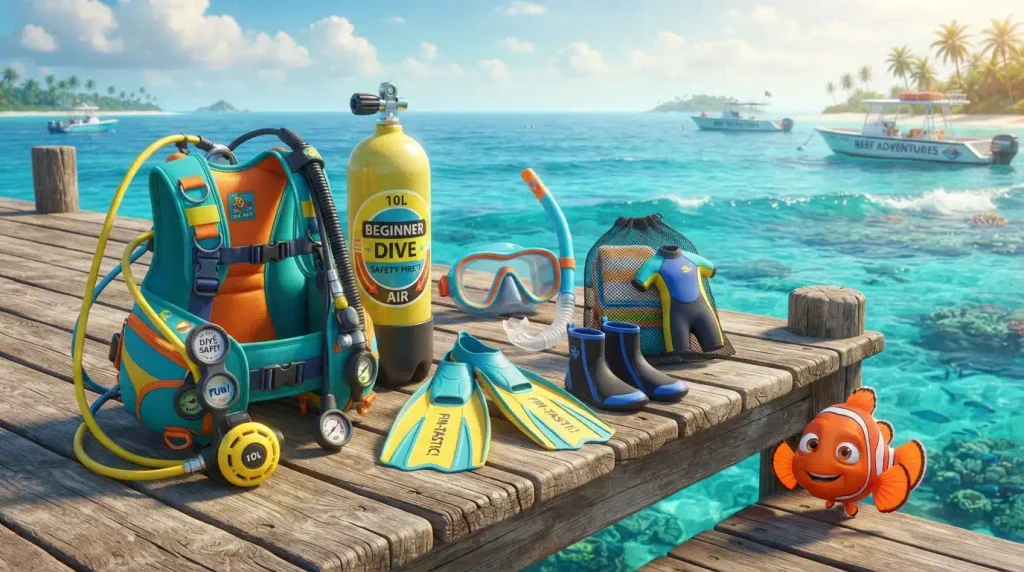
Getting underwater requires specialized gear, but modern equipment is engineered to be intuitive, durable, and extremely easy to operate even for absolute beginners.
The Mask and Snorkel Combo
A good silicone mask creates an air pocket over your eyes and nose so you can see clearly. High-quality masks seal comfortably against your face without needing tight, painful straps.
- Tempered glass lenses prevent fogging and protect your eyes against accidental bumps.
- Dry-top snorkels use a special floating valve to keep splash water from entering the breathing tube.
- Purge valves at the bottom let you clear stray water drops with a quick, soft exhale.
Buoyancy Control Devices (BCDs) and Regulators
Your BCD is an inflatable vest that holds your air tank and controls your flotation level. The regulator delivers smooth, clean air from your tank whenever you inhale naturally through your mouth.
Fins for Effortless Propulsion
Fins act like giant webbed feet, allowing you to glide smoothly through the water using your strong leg muscles instead of tiring your arms.
What to Expect During Your Very First Session
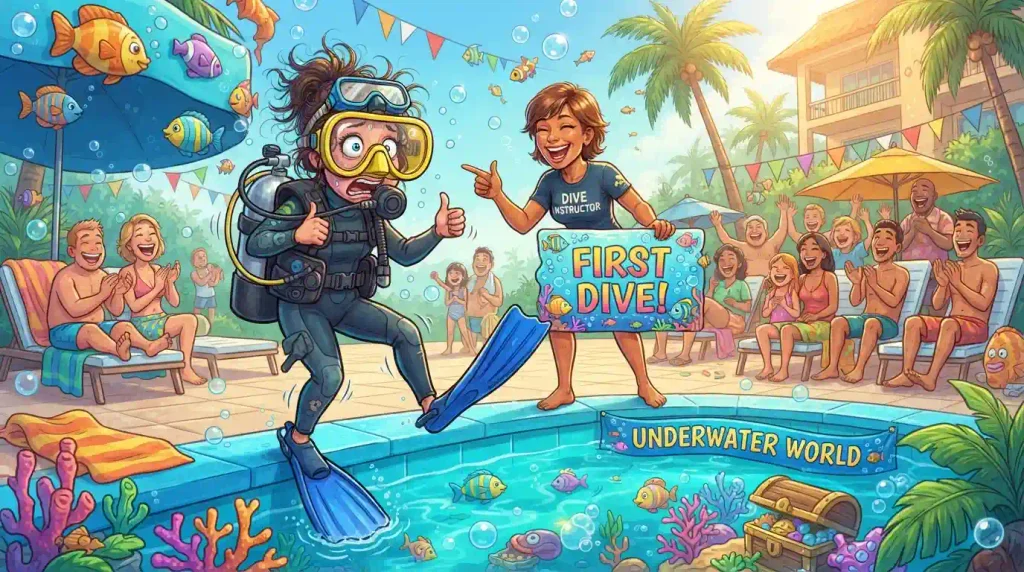
Nervous excitement is completely normal when trying something totally new. Knowing how your first lesson unfolds helps you feel completely relaxed before jumping in.
Pool Orientation and Safety Briefing
Your instructor starts on dry land with a friendly overview of basic hand signals, gear checks, and breathing rules. You will practice clearing your mask and retrieving your regulator while sitting in knee-deep water.
Shallow Water Practice Skills
Before heading into open water, you spend time in a shallow pool practicing basic movements. Learning to trust your breathing gear in a controlled environment builds fast, solid confidence.
Top Destinations for Friendly Beginner Dives
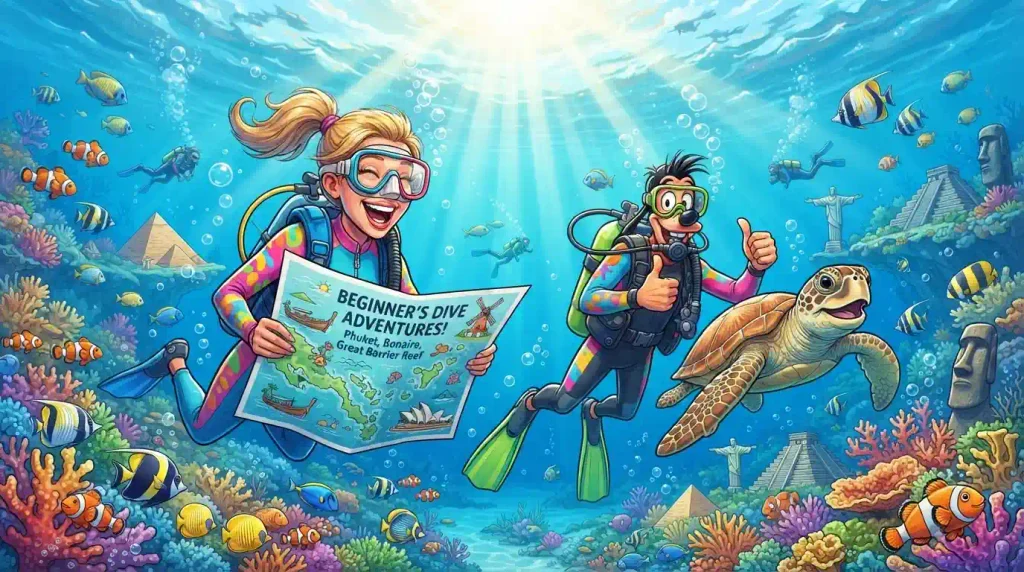
While you can start learning in any local indoor pool, taking your skills into warm, crystal-clear ocean waters makes the experience truly unforgettable.
Shallow Coral Reef Systems
Caribbeans and South Pacific islands feature protected barrier reefs where water stays calm, clear, and warm year-round. These shallow gardens house sea turtles, clownfish, and colorful sea fans.
Clear Freshwater Springs
Freshwater springs offer incredible visibility that often exceeds one hundred feet. Swimming through crystal-clear spring water feels like flying through air over underwater grass meadows.
Three Tips for Choosing a Great Dive Spot
- Look for sheltered bays with minimal current so you stay relaxed throughout your trip.
- Check water temperatures in advance to ensure you wear the right wetsuit thickness.
- Choose locations with professional dive shops that offer small group ratios.
How Aquatic Movement Boosts Physical Health
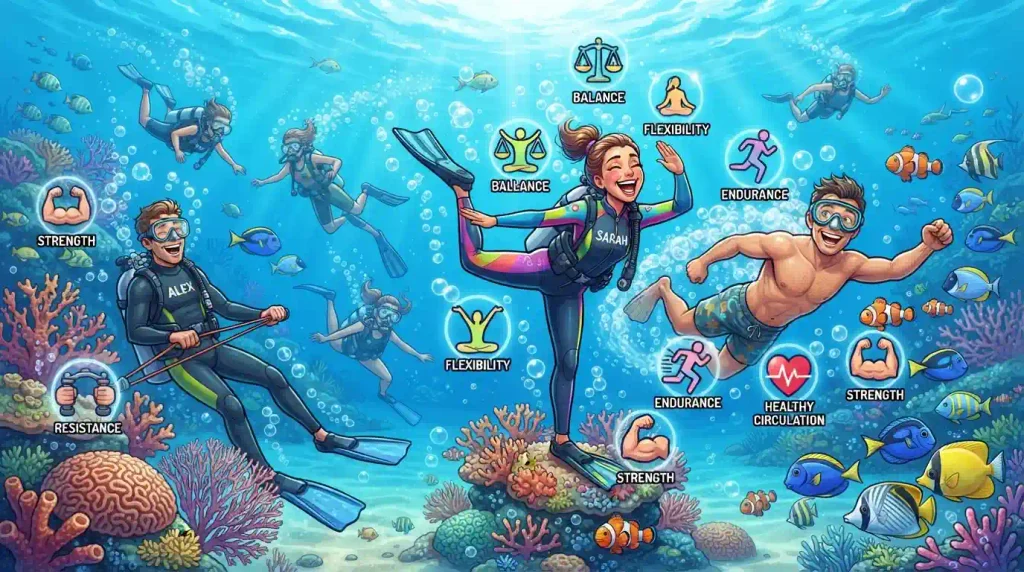
Exploring underwater habitats is far more than just a fun holiday activity. It delivers a fantastic full-body workout that strengthens your heart, lungs, and core muscles without joint impact.
Low-Impact Conditioning for Joints
Water supports your entire body weight, which takes pressure off your knees, hips, and lower back. Moving against water resistance builds steady muscle tone without sudden shocks or strains.
Deep Breathing for Stress Relief
Underwater breathing requires slow, steady, deep inhalations and exhalations. This rhythmic breathing pattern mimics natural meditation, reducing anxiety and promoting a calm, focused mindset.
Smart Habits for Environmental Protection
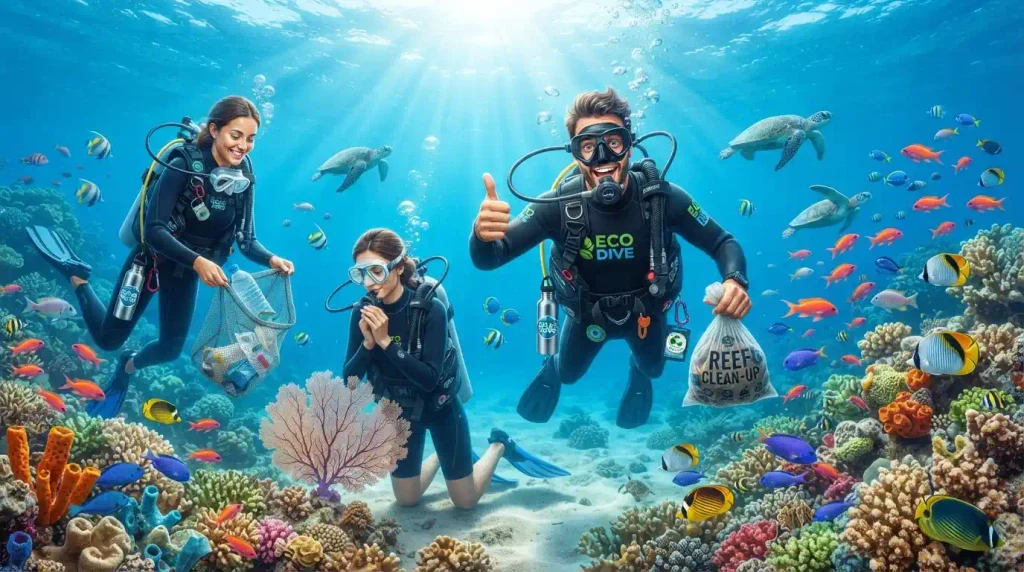
Being a responsible underwater guest ensures that fragile coral reefs and marine animals remain healthy and vibrant for future generations to enjoy.
Master the Art of Hands-Off Observation
Coral polyps are delicate living animals that can be injured by even a soft touch. Keeping your hands tucked close to your chest prevents accidental contact with reef structures.
Choose Reef-Safe Sunscreen Products
Chemicals in traditional sunscreens can harm marine life and bleach sensitive corals. Always apply mineral-based sunscreens containing zinc oxide or titanium dioxide before heading onto the boat.
- Apply reef-safe sunscreen at least thirty minutes before entering the water.
- Avoid kicking your fins near sandy bottoms to prevent stirring up murky silt.
- Secure loose equipment and gauge hoses so they do not drag across fragile seafloor growth.
Overcoming Common Beginner Hurdles
Facing a small challenge during your initial sessions is completely normal. Simple adjustments help you overcome obstacles quickly so you can get back to enjoying your adventure.
Clearing Water from Your Mask Easily
If a small drop of water sneaks into your mask, do not panic. Simply tilt your head backward slightly, press the top of your mask frame against your forehead, and exhale firmly through your nose to flush it out.
Managing Restless Leg Cramps
Kicking with fins uses leg muscles in new ways, which can occasionally trigger a quick calf cramp. Stretch the muscle mid-water by pulling the tip of your fin gently toward your body until the tightness disappears.
Practice Exercise
Test Your Diving Knowledge
1. What is the primary function of a Buoyancy Control Device (BCD)?
A. To control flotation and help maintain neutral buoyancy underwater.
B. To warm the body in cold water.
C. To clean salt from a diving mask.
D. To increase swimming speed.
2. How should divers equalize ear pressure while descending?
A. By shaking the head from side to side.
B. By removing the diving mask.
C. By gently pinching the nose and blowing softly.
D. By holding the breath for several seconds.
3. What does neutral buoyancy mean?
A. Floating quickly toward the surface.
B. Hovering in the water without sinking or rising.
C. Sinking directly toward the bottom.
D. Swimming against a strong current.
4. Why is steady breathing important during a dive?
A. It helps manage air use and reduces the risk of lung over-expansion injuries.
B. It makes underwater swimming automatically faster.
C. It keeps diving equipment completely dry.
D. It allows a diver to remain underwater indefinitely.
5. What type of glass is commonly used for safe diving-mask lenses?
A. Thin window glass
B. Colored stained glass
C. Plastic film
D. Tempered glass
Diving Safety and Skills
6. Why should divers avoid touching living coral reefs?
A. Coral can immediately turn into stone.
B. Touching coral can damage delicate living organisms.
C. Coral causes diving tanks to lose pressure.
D. Coral can follow swimmers through the ocean.
7. How do fins help divers move through water?
A. They convert leg kicks into efficient forward movement using a broad surface area.
B. They heat the water around the feet.
C. They keep divers completely stationary.
D. They replace the need for breathing equipment.
8. What should you do if water enters your diving mask underwater?
A. Remove the mask immediately.
B. Rub your eyes until the water disappears.
C. Press the upper frame and exhale through your nose to clear the water.
D. Swim away without informing your instructor or buddy.
9. Why is reef-conscious sunscreen recommended for ocean activities?
A. It prevents all seawater from touching the skin.
B. It makes swimmers invisible to marine animals.
C. It works as an underwater light source.
D. It helps reduce exposure of coral and marine life to harmful ingredients.
10. Where do beginners typically learn their first diving skills?
A. In deep ocean trenches.
B. In fast-moving river rapids.
C. In busy open-water shipping lanes.
D. In a shallow, controlled pool with an instructor.
Answer Key
1-A | 2-C | 3-B | 4-A | 5-D | 6-B | 7-A | 8-C | 9-D | 10-D
FAQs
Do I need to be an expert swimmer to try diving?
No, you do not need to be an Olympic swimmer to enjoy introductory diving experiences. Basic comfort in the water, the ability to float casually, and normal physical mobility are all you need to get started safely under professional guidance.
How deep do beginner dive sessions usually go?
Beginner introductory sessions usually stay between ten and thirty feet deep. This shallow range keeps water pressure very low, offers plenty of natural sunlight, and allows you to view colorful marine life safely alongside your guide.
What happens if I feel claustrophobic underwater?
Feeling nervous is totally normal for first-timers. Instructors take things very slow in shallow water, allowing you to stand up anytime you want until you feel completely comfortable breathing through your regulator.
Is underwater diving safe for young children?
Yes, many programs offer specialized introductory pool experiences for kids aged eight and up. These sessions use smaller gear, keep depth very shallow, and focus entirely on fun games, safety, and basic aquatic skills.
How long does a standard tank of air last underwater?
A standard air tank typically lasts between forty-five and sixty minutes, depending on your depth and breathing rate. Beginners often use air a bit faster, but relaxing your body extends your dive time significantly.
Conclusion
Taking part in a fun 2 Dive adventure opens up an incredible world of weightless movement, marine discovery, and lifelong outdoor enjoyment. By learning simple safety skills, using comfortable gear, and respecting ocean life, you can explore underwater environments with total ease and peace of mind.
Booking a fun 2-Dive session allows you to leave daily stress on the shore while discovering a peaceful, vibrant aquatic world. Embracing basic breathing techniques and staying curious guarantees that your first journey beneath the surface will be smooth, safe, and deeply rewarding.
Ready to make a splash on your next weekend getaway? Sign up for a local fun 2 Dive experience today, grab your mask, and prepare to discover the absolute joy of underwater play!

Ghzala Rani is the creator and writer behind Funzonest.com, a website dedicated to making everyday topics more enjoyable, interesting, and easy to understand. With a passion for engaging content, Ghzala focuses on creating helpful articles that inform, entertain, and provide readers with useful ideas and insights.
Through Funzonest.com, Ghzala Rani aims to build a friendly online space where readers can discover fresh content and explore topics presented in a simple and enjoyable way. Her writing style focuses on clarity, originality, and reader value. She is committed to publishing well-researched and engaging content that keeps visitors informed while making their time on the website enjoyable.