
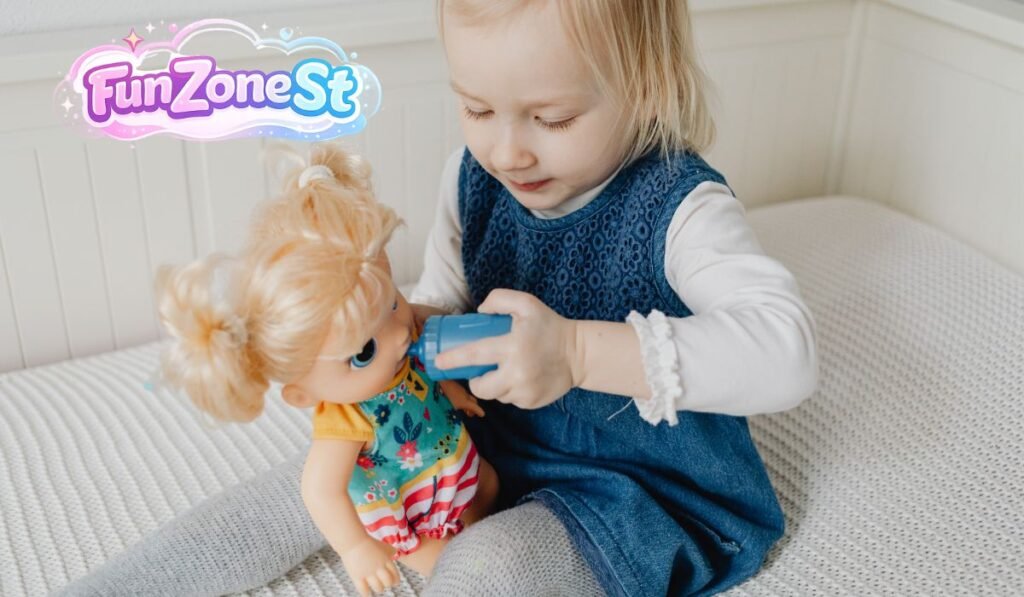
Experiencing genuine doll fun comes down to unlocking creativity through imaginative storytelling, customized DIY crafting, interactive digital play, and passionate collecting. Whether you are guiding a child through roleplay, building miniature furniture, or displaying rare fashion figures, dolls provide rich opportunities for self-expression and lifelong entertainment.
Remember the pure excitement of creating tiny fictional worlds right on your bedroom floor?
Bringing endless doll fun into your daily life is all about tapping into that same sense of wonder and creative freedom.
Whether you want to inspire imaginative play in young kids or explore artistic miniature crafting yourself, experiencing total doll fun opens up a world of vibrant entertainment.
Let us walk through everything you need to turn simple toy figures into unforgettable, creative adventures!
The Evolution of Doll Play Through History
Ancient Beginnings of Human Miniatures
Humans have been crafting small human likenesses for thousands of years across every continent. Archaeologists have discovered carved wooden figures in ancient Egyptian tombs and sculpted clay figures in early Greek and Roman homes.
Back then, these figures served multiple roles, ranging from spiritual charms to basic playthings for young children. They were carved from natural materials readily available in the environment, such as smooth river stones, animal bone, polished wood, and soft clay.
These ancient roots prove that connecting with small human figures is a fundamental part of our shared global culture and history.
The Rise of Porcelain and Fashion Icons
By the eighteenth and nineteenth centuries, European artisans transformed small figures into high fashion masterpieces. Porcelain and bisque heads paired with delicate cloth bodies allowed dressmakers to showcase complex European clothing trends.
Girls during this era used these figures to learn fine needlework, social etiquette, and wardrobe care. As manufacturing methods advanced in the mid-twentieth century, vinyl and plastic made fashion figures durable, affordable, and accessible to families everywhere.
This shift created iconic modern playmates that continue to shape childhood memories across generations.
Modern Innovation and Smart Features
Today, the world of play combines traditional physical figures with cutting-edge digital technology. Modern figures feature articulated joints for realistic posing, voice-recognition microchips, and interactive digital accessories.
Some line collections even integrate augmented reality mobile apps that let kids scan their figures to play interactive digital games online. This hybrid approach bridges the gap between hands-on physical crafting and modern screen-based entertainment.
Even with these high-tech upgrades, the core magic remains unchanged: telling wonderful stories with tiny, imaginative companions.
The Psychological Power of Imaginative Play
Developing Emotional Intelligence and Empathy
Playing with small figures offers children a safe space to practice complex human emotions and social situations. When a child acts out a scene where a figure feels sad, scared, or happy, they actively practice empathy.
By stepping into another character’s shoes, kids learn to understand different perspectives and process real-life events. They can replay a difficult day at school through their characters, turning stressful moments into manageable, triumphant stories.
Child psychologists frequently use character figures in play therapy because it helps young minds express deep feelings comfortably.
Boosting Language and Communication Skills
When children engage in character storytelling, they constantly speak, invent dialogue, and experiment with new vocabulary. They practice sentence structures, tone of voice, and conversational back-and-forth flow completely on their own terms.
Playing in groups with siblings or friends forces kids to negotiate plotlines, share accessories, and collaborate on storylines. This natural back-and-forth chatter builds strong conversational confidence that carries directly into classroom performance.
It turns passive quiet time into an active, verbal language laboratory disguised as pure enjoyment.
Encouraging Problem-Solving and Fine Motor Control
Handling small shoes, snapping tiny buttons, and styling fine hair requires delicate hand-eye coordination. These subtle physical movements strengthen the small muscles in fingers and wrists, preparing young hands for writing with pencils.
Beyond physical skills, setting up scenes requires clever spatial problem-solving. How do you make a figure stand upright without falling over? How do you fit three characters into a tiny cardboard car?
Working through these structural challenges keeps young minds sharp, focused, and resilient when things do not work on the first try.
Exploring Different Categories of Figures
Classic Baby Figures and Nurturing Play
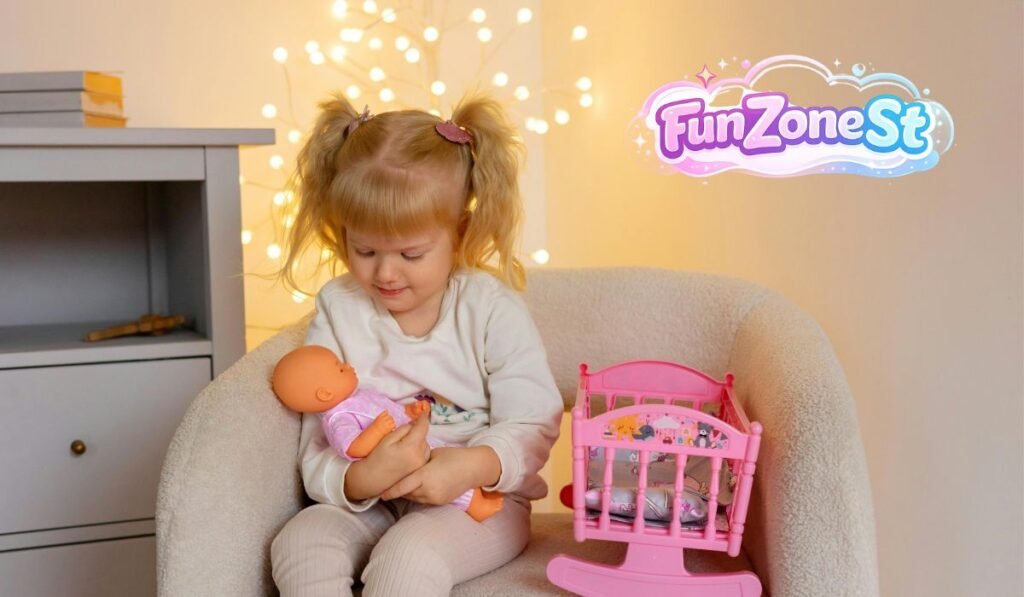
Baby-style figures focus heavily on nurturing, caregiving, and social responsibility. These soft-bodied playmates often come with accessories like feeding bottles, extra diapers, pacifiers, and cozy strollers.
Playing with baby figures teaches children how to care for others, making it an excellent preparation tool for welcoming a new baby sibling home. It encourages kids to practice patience, gentle handling, and daily routine management like bedtime and mealtime.
alternative.
Fashion and Character Figures
Fashion figures serve as blank canvases for personal style, career exploration, and artistic storytelling. From pop stars and astronauts to veterinarians and fantasy princesses, these figures showcase endless possibilities.
Children love changing outfits, mixing patterned shoes, and creating dramatic runway shows right on the living room rug. These characters allow kids to experiment with who they might want to become when they grow up.
They celebrate individuality, self-expression, and bold wardrobe choices without any real-world limits or judgment.
Miniature Scale Figures and Play Sets
Miniature scale sets condense entire houses, busy towns, and fantasy castles into compact plastic or wooden footprints. These sets feature tiny furniture, miniature food items, and pocket-sized character families.
The charm of miniature scale play lies in total environmental control. Kids get to organize rooms, arrange furniture, and run an entire bustling household all by themselves.
Because of their small size, these sets are perfect for quiet tabletop play, easy cleanup, and quick storage in small bedrooms.
Collectible Vinyl and Action Figures
Collectible vinyl figures and poseable action heroes appeal to kids and adult hobbyists alike. These items often showcase pop culture characters, superheroes, anime stars, and limited-edition artistic designs.
Unlike traditional playmates meant for dress-up, collectibles often feature specialized stands, swappable hands, and detailed display boxes. Fans enjoy showcasing them on floating wall shelves, trading duplicates with friends, and hunting down rare variants.
This genre blends the fun of play with the rewarding thrill of organized collecting.
Below is a helpful breakdown comparing popular figure categories across key features:
How to Build Amazing Miniature Worlds at Home
Upcycling Household Cardboard Boxes
You do not need to buy expensive commercial playsets to create an epic environment for your figures. A few simple cardboard shipping boxes from your recycling bin can become a stunning multi-story mansion.
Cut away the front flaps of a large box to reveal open room floors, and use spare cardboard strips to glue internal room dividers together. You can paint walls with colorful acrylics or glue leftover wrapping paper onto the interior surfaces for instant wallpaper.
This budget-friendly DIY project keeps kids engaged for hours before the actual figure storytelling even begins!
Crafting Easy DIY Miniature Furniture
Making tiny furniture out of ordinary household materials is surprisingly easy and wildly satisfying. Wooden popsicle sticks, hot glue, empty matchboxes, and plastic bottle caps make fantastic building blocks.
Here are three simple furniture ideas you can build in under twenty minutes:
- Matchbox Dresser: Glue three empty matchboxes stacked on top of each other, paint the outside, and push brass brads through the drawer fronts for handles.
- Bottle Cap Stool: Turn a plastic milk cap upside down, fill it with a soft cotton ball covered in fabric scrap, and glue four toothpicks to the bottom for legs.
- Sponge Sofa: Wrap a clean rectangular kitchen sponge in colorful felt, glue two wooden craft sticks along the sides for armrests, and add mini accent pillows.
Setting Up Natural Outdoor Landscapes
Take the excitement outside by building natural, living playsets in your backyard garden or local park. Dirt, moss, flat stones, small twigs, and fallen leaves can instantly transform a backyard corner into a magical forest kingdom.
Use smooth pebbles to lay down cobblestone garden paths, create tiny natural ponds using shallow tin lids filled with water, and build twig teepees tied with string. Outdoor environments introduce natural textures and fresh air into everyday play routines.
Just remember to bring your figures indoors when play ends so rain and dirt do not damage delicate clothing fabric!
Creative Storytelling and Media Production
Writing Fun Scripts and Character Backstories
Level up your playtime sessions by treating your character collection like a cast of famous actors in a hit television series. Grab a notebook and start writing out unique character profiles and backstory details.
What is your main character’s favorite food? What is their secret superpower? Who is their rival in town, and what major mystery are they trying to solve together this afternoon?
Having a clear plotline gives play sessions structure, keeping kids entertained for hours without losing interest or running out of creative steam.
Basic Stop-Motion Animation for Beginners
If you have a smartphone or tablet, you can easily turn your figures into stars of their very own animated movies! Stop-motion animation involves taking a picture, moving your character a tiny bit, and taking another picture.
When you play those photos back quickly in sequence using a free smartphone app, your figure appears to walk, dance, and talk all on its own!
Here is a simple sequence to follow for making your first short stop-motion movie:
- Place your phone on a sturdy tripod or lean it against a heavy book so the camera stays completely still.
- Set up your figure in a well-lit room away from changing outdoor sunlight shadows.
- Take a photo, move your character’s arm or leg just a fraction of an inch, and take the next photo.
- Repeat this photo process for 30 to 50 frames to create a smooth five-second movie clip.
- Add fun sound effects, background music, and voiceover dialogue using simple mobile video editing apps.
Hosting Photography Sessions and Fashion Shows
Setting up a miniature photo studio is another incredible creative outlet for fashion lovers of all ages. All you need is a sheet of white poster board bent against a wall to create a seamless, professional backdrop.
Use small LED desk lamps to light up your characters from different angles, and experiment with low-angle camera shots to make your figures look heroic and tall.
You can print out tiny fashion magazine covers featuring your own photos or share them in safe online creative hobby groups.
Smart Organizing and Maintenance Tips
Proper Hair Care and Restyling Methods
Synthetic figure hair can quickly turn into a tangled, frizzy mess after weeks of energetic play. Luckily, restoring synthetic hair to silky smoothness requires just a few basic household supplies.
Mix a few drops of mild hair conditioner or fabric softener into a bowl of warm water. Dip your character’s hair into the liquid, gently comb out knots starting from the ends up to the roots using a fine-tooth comb, and rinse thoroughly.
For super smooth hair, pour warm water over the combed strands and let it air dry completely overnight while hanging straight down.
Safe Cleaning Techniques for Plastic and Fabric
Because play objects travel from carpet floors to backyard gardens, keeping them clean is essential for home hygiene. Plastic bodies can be wiped down easily using a soft microfiber cloth dipped in warm soapy water.
Avoid using harsh chemical solvents, nail polish remover, or boiling water, as these can strip away factory facial paint and melt delicate vinyl limbs.
For small fabric outfits, hand-wash them inside a bowl of cold water using mild liquid laundry detergent, squeeze gently in a towel, and lay them flat to dry.
Clever Storage and Display Solutions
Keeping a growing collection neat prevents lost shoes, untidy bedroom floors, and damaged limbs. Hanging clear plastic shoe organizers over bedroom doors provides instant, visible pockets for individual figures and large accessory sets.
Tackle boxes meant for fishing lures or plastic bead containers with adjustable dividers work miracles for organizing tiny items like shoes, purses, cups, and combs.
For adult collectors, glass display cabinets keep delicate items free from household dust while showcasing them beautifully under soft LED lights.
The Adult Collector Experience
The Joy of Nostalgia and Restoration
A huge global community of adults passionately collects vintage figures from their own childhood decades. Finding a pre-loved toy from the 1980s or 1990s at a local flea market brings back wonderful, warm childhood memories.
Many adult hobbyists specialize in restoring damaged vintage finds. They carefully clean faded vinyl, repaint missing facial details, stitch damaged clothes, and source missing original accessories online.
Restoration work blends history, fine art techniques, and nostalgia into a deeply therapeutic, relaxing hobby.
Customizing and OOAK Artistry
OOAK stands for “One Of A Kind,” a vibrant branch of the hobby where artists take factory figures and transform them completely into custom art pieces.
Artists remove factory face paint using safe rubbing alcohol and repaint entirely new, realistic facial features using fine watercolor pencils and pastel powders. They also root new hair using soft mohair or yarn, and sew intricate, custom-made wardrobe pieces from scratch.
These customized art figures sell for hundreds of dollars online, proving that playthings can evolve into serious fine art expressions.
Connecting with Global Communities
Collecting is far from a lonely hobby; it connects millions of enthusiastic fans across global online networks. Collectors share photography, post DIY tutorials, write fan fiction, and swap rare items on specialized forums and social media channels.
In-person conventions and local meetup groups allow fans to meet face-to-face, showcase elaborate custom displays, and participate in charity raffles.
This welcoming community vibe makes the hobby a fantastic way to form lifelong friendships with people who share your exact creative passions.
Practice Exercise
Test your knowledge about figure play, history, maintenance, and crafting with this quick practice quiz. Pick the single best option for each question!
- What is a doll commonly used for?
A. Playing and storytelling
B. Cooking food
C. Measuring temperature
D. Washing clothes - Which material is commonly used to make dolls?
A. Plastic
B. Stone only
C. Ice
D. Sand - What can children develop through doll play?
A. Creativity and imagination
B. Driving skills
C. Swimming ability
D. Musical hearing only - Which type of doll is designed to look like a baby?
A. Baby doll
B. Robot
C. Toy car
D. Puzzle - What can doll clothes add to playtime?
A. More creative possibilities
B. Less imagination
C. More homework
D. Less interaction - Why do people collect dolls?
A. For enjoyment and interest
B. To use them as tools
C. To grow plants
D. To prepare meals - Which activity can be part of doll fun?
A. Creating stories
B. Repairing cars
C. Building roads
D. Painting houses only - What can accessories include for dolls?
A. Shoes and bags
B. Car engines
C. Kitchen appliances
D. School desks only - Doll play can encourage children to practice what skill?
A. Imaginative thinking
B. Speed driving
C. Swimming
D. Computer programming
Answer Key
1. A 2. A 3. A 4. A 5. A 6. A 7. A 8. A 9. A

Frequently Asked Questions (FAQs)
What age is ideal for introducing character figures to children?
Soft baby figures are great for toddlers around 18 months old to practice gentle nurturing. Small fashion figures with removable tiny accessories are safest for children aged three and older to avoid choking hazards.
How can I make simple clothes without sewing experience?
You can easily create no-sew outfits using stretchy sock tops, colorful felt sheets, and fabric glue. Simply snip armholes into a clean sock toe section to instantly create a stylish sleeveless dress!
Why are stop-motion videos so popular among young creators?
Stop-motion videos give kids total director control, bringing stationary figures to life through movie magic. It combines hands-on physical scene setup with exciting digital editing skills that children love showing off to family.
How do I prevent my child’s room from becoming cluttered with tiny accessories?
Implement a quick clean-up routine using clear, sectioned storage boxes labeled with simple picture stickers. Assigning a specific compartment for shoes, hats, and kitchen items makes putting things away feel like a fun sorting game.
What is the best way to display collectibles without damaging them?
Display collectibles inside enclosed glass cabinets positioned away from direct sunlight exposure. UV rays can fade bright clothing colors and yellow clear plastic over time, while glass doors keep dust away.
Can adults enjoy playing with or collecting figures without feeling silly?
Absolutely! Millions of adults worldwide collect, restore, customize, and photograph figures as a rewarding artistic hobby. It is a creative, therapeutic outlet that celebrates fine art, fashion design, and nostalgic fun.
Conclusion
Embracing genuine doll fun is an extraordinary way to spark creativity, build social empathy, and enjoy hands-on crafting across every stage of life. From simple cardboard house projects with kids to advanced photography setups for adult collectors, this versatile hobby offers endless happiness.
Integrating doll fun into your weekly family routine turns quiet afternoons into thrilling storytelling adventures. By sharing simple crafts, encouraging imaginative play, and keeping accessories organized, you build wonderful memories that last a lifetime.
Now is the perfect time to bring out your collection, grab a few crafting supplies, and start experiencing total doll fun today!

Ghzala Rani is the creator and writer behind Funzonest.com, a website dedicated to making everyday topics more enjoyable, interesting, and easy to understand. With a passion for engaging content, Ghzala focuses on creating helpful articles that inform, entertain, and provide readers with useful ideas and insights.
Through Funzonest.com, Ghzala Rani aims to build a friendly online space where readers can discover fresh content and explore topics presented in a simple and enjoyable way. Her writing style focuses on clarity, originality, and reader value. She is committed to publishing well-researched and engaging content that keeps visitors informed while making their time on the website enjoyable.