
Donut fun facts reveal that these sweet fried treats originated from Dutch oily cakes, gained their iconic center holes thanks to a clever 19th-century sailor, and were served to brave soldiers during World War I to boost morale on the front lines.
Have you ever wondered why a fried ring of dough with colorful sprinkles can instantly brighten up your morning routine? Exploring classic donut fun facts opens up a world of fascinating stories, surprising inventions, and sweet culinary tricks you never knew existed.
Learning about donut fun facts shows us how simple fried bread turned into a massive global phenomenon enjoyed by millions of people every day. From ancient baking roots to giant world records, these donut fun facts make every sweet bite even more satisfying and fun to enjoy.
Grab your favorite mug of coffee, sit back comfortably, and let us explore these delicious secrets together right now!
The Origin Story of the World’s Favorite Fried Pastry
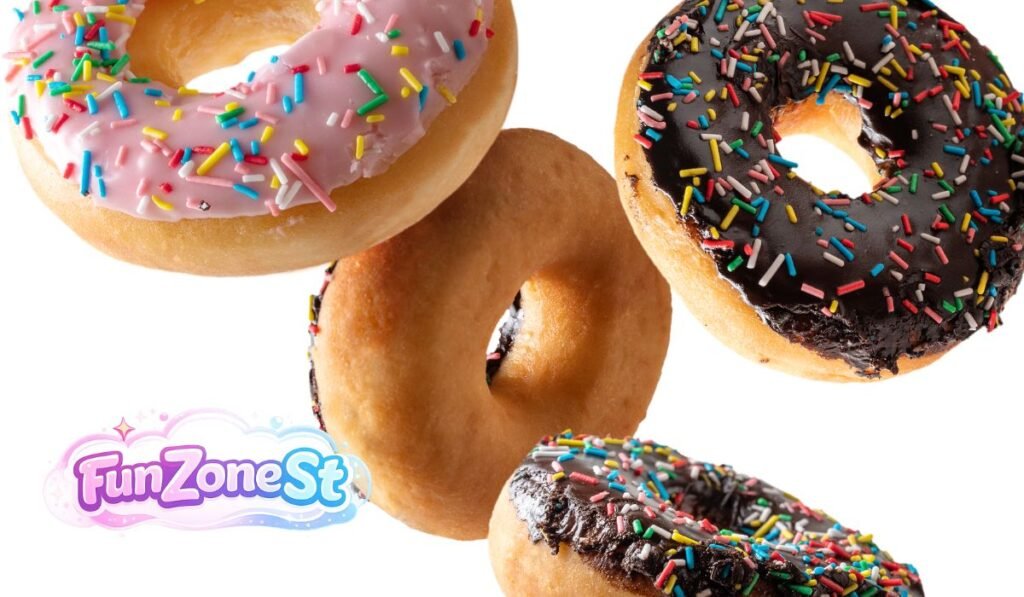
Long before drive-thru bakeries appeared on every corner, early bakers were experimenting with frying leftover dough scraps in boiling animal fat. They wanted a quick way to cook sweet dough without burning the outer edges while keeping the inside soft.
From Dutch Olykoeks to American Kitchens
Dutch settlers originally brought a fried sweet treat called “olykoeks” or oily cakes to New Amsterdam, which later became New York City. These early fried balls of sweetened dough were delicious, but they had a major problem that frustrated bakers for generations.
Because the dough ball was so thick, the very center often stayed raw and gooey while the outside fried to a dark golden brown. To solve this, Dutch cooks started stuffing the raw center with hazelnuts or walnuts, which is where the word “dough-nut” came from!
The Legendary Sailor Who Cut the Center Hole
In 1847, a 16-year-old American ship captain named Hanson Gregory changed pastry history forever on the high seas. He was tired of eating greasy ship pastries that were uncooked in the middle during stormy sea voyages.
Hanson used the sharp top of a tin pepper box to punch a neat circular hole right through the center of the raw dough ball. Cutting out the middle allowed hot cooking oil to flow evenly across all sides, giving birth to the classic ring shape we all love today.
Surprising Historical Events Powered by Doughnuts
Doughnuts are not just a tasty breakfast snack; they have actually played a big role during major moments in world history.
How Doughnut Lassies Saved Morale in World War I
During World War I, the Salvation Army sent brave female volunteers known as “Doughnut Lassies” to France to support front-line soldiers. Operating in damp, muddy trenches, these women used empty artillery shells and soldiers’ helmets to fry fresh batches of homemade doughnuts.
The warm treats provided comfort, hope, and a cozy taste of home to homesick troops fighting far away. When those soldiers returned home, their love for doughnuts created a massive national demand across North American towns.
The Invention of the First Automated Doughnut Machine
Before 1920, every single doughnut was carefully rolled, cut, and flipped by hand, making production slow and labor-intensive. An immigrant named Adolph Levitt invented the first automated doughnut machine in New York City, turning baking into a thrilling public show.
People gathered outside theater windows to watch raw dough rings drop into hot oil, flip automatically, and slide out perfectly cooked. This simple machine allowed bakery shops to produce thousands of fresh treats every hour to meet growing demand.
Amazing Record-Breaking Donut Facts
The world of fried pastries is full of wild statistics, massive baking projects, and unbelievable world records set by enthusiastic bakers.
The Largest Glazed Donut in Recorded History
In 1993, a team of dedicated master bakers in Utica, New York, joined forces to build the world’s biggest glazed doughnut. They used thousands of pounds of flour, sugar, yeast, and milk to fry a giant pastry that stretched over 16 feet wide.
It took a special crane and custom heating gear to lift the massive creation, which was then cut up into thousands of individual slices and shared with local charity groups.
How Doughnut Holes Became Their Own Unique Snack
When commercial bakeries started punching millions of holes out of ring pastries daily, they initially threw the center dough cutouts back into the mixer bowl. However, smart bakery owners quickly realized that kids loved buying those tiny fried dough bites on small wooden sticks.
By marketing them as portable snack bites, bakeries turned leftover dough scraps into a standalone multi-million-dollar product line.
Understanding the Difference Between Yeast and Cake Doughnuts
If you have ever stood in front of a bakery display case, you know there are two main categories of classic ring treats. Understanding how these dough bases differ helps you pick the exact texture and flavor profile you crave.
Yeast Doughnuts: Light, Airy, and Chewy
Yeast-raised treats rely on living yeast cells that consume sugar and release small bubbles of carbon dioxide gas. This fermentation process requires the dough to rest and rise in a warm room before frying.
- Texture: Soft, springy, and full of large air pockets that melt in your mouth.
- Flavor Profile: Slightly tangy yeast flavor that pairs naturally with sweet sugar glazes and rich chocolate coatings.
- Popular Examples: Classic glazed rings, jelly-filled pillows, and Boston cream bombs.
Because yeast dough is so light, it floats easily on top of hot oil, creating that famous white line along the center perimeter where the dough stays raised out of the oil.
Cake Doughnuts: Rich, Dense, and Crumbly
Cake pastries do not use yeast at all; instead, they rely on baking powder or baking soda to expand quickly in heat. The batter is mixed quickly and dropped directly into hot oil without waiting for a rising cycle.
- Texture: Heavy, moist, and tender, very similar to a slice of dense birthday cake.
- Flavor Profile: Sweet, buttery flavor that easily holds heavy spices like nutmeg, cinnamon, and ginger.
- Popular Examples: Old-fashioned crullers, powdered sugar cakes, and blueberry glazed rings.
Their sturdy structure makes them perfect for dunking into hot coffee or milk without falling apart into soggy crumbs.
Global Variations of the Classic Fried Pastry

Almost every culture around the globe has invented its own unique version of fried sweet dough, using local spices, unique toppings, and traditional shapes.
Churros: Spain and Latin America
Churros are long, ridged sticks of fried choux pastry extruded through a star-shaped nozzle into hot oil. Bakers roll them in coarse cinnamon sugar immediately after frying and serve them alongside thick, warm chocolate dipping sauce.
Malasadas: Portugal and Hawaii
Malasadas are rich, round balls of yeast dough made with evaporated milk, butter, and egg yolks. Portuguese laborers introduced them to Hawaii in the late 19th century, where they became a beloved island staple filled with tropical coconut cream and guava jam.
Beignets: France and New Orleans
Beignets are square-cut pillows of yeast dough fried until they puff up like fluffy golden clouds. Before serving, bakers bury them under an enormous mountain of powdered sugar, making them a world-famous attraction at New Orleans coffee shops.
Bomboloni: Italy
Bomboloni are round Italian pastries rolled in granulated sugar and stuffed from the top with rich vanilla pastry cream or hazelnut chocolate spread. Italians traditionally enjoy these soft treats as an afternoon snack alongside a fresh shot of espresso.
Science Secrets: What Happens Inside the Fryer?

Frying dough might seem simple, but it is actually a delicate chemical dance between temperature, moisture, and fat absorption.
The Maillard Reaction and Golden Color
When raw dough hits hot oil heated to exactly 375 degrees Fahrenheit, a magical chemical reaction begins on the outer surface. Proteins and simple sugars bond together under high heat, creating hundreds of brand-new flavor compounds and turning the crust a lovely golden brown.
If the oil temperature drops too low, the dough absorbs grease like a sponge and turns soggy. If the oil gets too hot, the outside burns before the inside cooks through properly.
Why Glaze Sticks Perfectly to Warm Pastries
Ever wonder why bakery glaze sets into a smooth, shiny shell instead of sliding off the sides? Master bakers apply liquid sugar glaze while the fried treat is still steaming hot from the oil.
The heat evaporates excess water out of the liquid sugar mixture, causing the glaze to crystallize into a thin, crunchy jacket that seals in internal moisture.
How to Host an Unforgettable Donut Tasting Party

If you want to share your passion for fried pastries with friends and family, host a fun weekend tasting party right in your living room!
Step 1: Source Variety from Local Bakeries
Visit three or four different local shops to gather a wide mix of styles, including yeast rings, cake circles, filled pillows, and vegan options. Make sure to buy a few unique specialty flavors like maple bacon or matcha green tea.
Step 2: Set Up a DIY Topping Bar
Slice whole pastries into small bite-sized quarters so your guests can try multiple flavors without getting full too quickly. Set out small bowls filled with crushed graham crackers, mini chocolate chips, rainbow sprinkles, and flavored fruit syrups.
Step 3: Pair Pastries with Complementary Drinks
Match sweet pastries with drinks that balance their rich sugar content. Dark roasted coffee cuts through sweet glaze, cold milk softens heavy cake spices, and sparkling apple cider pairs wonderfully with cinnamon sugar churros.
Practice Exercise
1. What was the original Dutch name for the early fried dough balls brought to New York?
A. Churros
B. Olykoeks
C. Beignets
D. Malasadas
2. Who is credited with inventing the center ring hole in 1847 using a tin pepper box?
A. Adolph Levitt
B. Hans Berger
C. Hanson Gregory
D. Hippocrates
3. Why were Salvation Army volunteers called “Doughnut Lassies” during World War I?
A. They wore uniforms shaped like sweet pastries
B. They fried fresh doughnuts in soldiers’ helmets for troops in France
C. They sold pastries door-to-door to raise money for ships
D. They invented the first mechanical dough mixer
4. What living ingredient gives yeast doughnuts their light, springy, and airy texture?
A. Baking powder
B. Yeast cells releasing carbon dioxide
C. Egg whites beaten into peaks
D. Cornstarch dissolved in warm water
5. Which international doughnut variation is famous for being buried in powdered sugar in New Orleans?
A. Churros
B. Bomboloni
C. Beignets
D. Malasadas
6. What chemical process turns the outside crust of a fried doughnut golden brown?
A. Photosynthesis
B. Fermentation
C. The Maillard reaction
D. Evaporation
7. What was the main reason early bakers put nuts in the center of raw dough balls?
A. To make them look like flowers
B. To hide raw, uncooked dough in the middle
C. To keep insects away from sweet sugar
D. To make the dough float higher in hot oil
8. What machine did immigrant Adolph Levitt invent in New York City in 1920?
A. The first automatic doughnut-making machine
B. The first electrical sugar glaze sprayer
C. The first mechanical flour sifter
D. The first coffee brewing system
9. Which pastry type uses baking powder instead of yeast and has a dense, crumbly texture?
A. Glazed yeast ring
B. Cake doughnut
C. Italian bomboloni
D. French pillow beignet
10. What is the ideal frying oil temperature for cooking balanced, non-greasy pastries?
A. 200 degrees Fahrenheit
B. 375 degrees Fahrenheit
C. 500 degrees Fahrenheit
D. 650 degrees Fahrenheit
Answer Key
- B | 2. C | 3. B | 4. B | 5. C | 6. C | 7. B | 8. A | 9. B | 10. B
Frequently Asked Questions (FAQs)
Why do some doughnuts have white lines around their middle?
That pale center ring forms naturally on light yeast doughnuts during frying. Because yeast dough is filled with air, it floats high on top of the hot oil, leaving the middle strip unexposed until the pastry is flipped.
Are doughnut holes actually made from the cut-out centers of ring pastries?
In small artisan bakeries, yes, bakers use small metal cutters to pop out centers and fry them separately. However, large commercial bakeries use special machinery to extrude dough rings and form doughnut holes out of separate dough batches.
How long do fresh bakery doughnuts stay soft and fresh?
Fresh yeast doughnuts taste best within 12 to 24 hours of baking. You can store them in an airtight container at room temperature or warm them in the microwave for five seconds to make them soft and fluffy again.
What is the most popular doughnut flavor in North America?
The classic glazed yeast doughnut remains the undisputed sales champion year after year. Its light texture and balanced sugar sweetness make it an easy favorite for adults and children alike.
Can you freeze fresh doughnuts to enjoy later?
Yes, you can freeze unglazed plain cake or yeast doughnuts in airtight freezer bags for up to three months. When you are ready to eat, thaw them at room temperature and warm them gently before adding fresh sugar or glaze.
Why is National Donut Day celebrated in June?
National Donut Day was established in 1938 by the Salvation Army to honor the brave “Doughnut Lassies” who served soldiers in World War I. It is celebrated every year on the first Friday of June with free pastry promotions.
Conclusion
Uncovering these donut fun facts shows us that there is a rich, fascinating history packed inside every fried sweet treat we enjoy. From teenage ship captains cutting out centers to brave trench volunteers bringing comfort during wartime, fried pastries have connected people across generations.
Reading through these donut fun facts gives you a brand-new appreciation for the craft, science, and creativity behind every bakery display case. Sharing these donut fun facts with friends, family, or coworkers makes enjoying a fresh box of sweet treats an even better experience.
Now that you know these awesome stories, treat yourself to a fresh pastry today and pass along these sweet facts to someone who loves a good snack!

Ghzala Rani is the creator and writer behind Funzonest.com, a website dedicated to making everyday topics more enjoyable, interesting, and easy to understand. With a passion for engaging content, Ghzala focuses on creating helpful articles that inform, entertain, and provide readers with useful ideas and insights.
Through Funzonest.com, Ghzala Rani aims to build a friendly online space where readers can discover fresh content and explore topics presented in a simple and enjoyable way. Her writing style focuses on clarity, originality, and reader value. She is committed to publishing well-researched and engaging content that keeps visitors informed while making their time on the website enjoyable.