
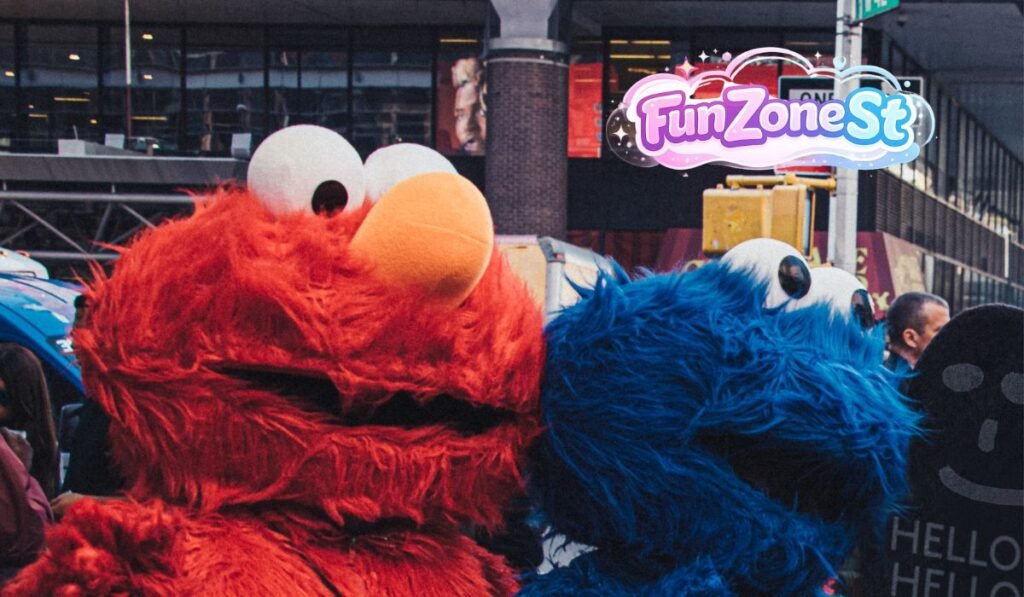
Elmo Fun represents a delightful blend of playful entertainment and early childhood education centered around Sesame Street’s famous red monster. Parents and educators use these interactive games, songs, toys, and creative activities to teach young children critical emotional, social, and academic skills through joy and curiosity.
Have you ever wondered why a small, bright red furry monster with a distinctive orange nose can instantly bring pure, smile-filled joy to toddlers around the globe? Bringing endless Elmo fun into your home or early classroom is undoubtedly one of the absolute easiest ways to keep young children laughing while seamlessly learning fundamental life lessons.
Whether you are actively looking for highly creative crafts, deeply engaging musical games, or surprisingly delightful pop culture trivia, exploring the wonderful world of Elmo fun truly offers something special for every single generation.
Let us take a friendly, heartwarming journey into the magical neighborhood of Sesame Street to discover exactly how this enthusiastically optimistic character turns ordinary everyday moments into memorable Elmo fun.
The Origin Story of a Cultural Icon

To really appreciate the phenomenon, we have to look back at how a simple red puppet became a global superstar. It took a while for this famous monster to find his true voice and personality on screen.
From Background Extra to Main Stage
During the early 1970s and early 1980s, the bright red puppet was just a generic background creature on Sesame Street. Various puppeteers tried using different voices, including a rough, gruff tone that didn’t quite click with young audiences.
It wasn’t until puppeteer Kevin Clash picked up the puppet in 1984 that everything changed overnight. He gave him a high-pitched voice, an infectious giggly laugh, and an endless sense of wonder that resonated with toddlers everywhere.
Speaking in the Third Person
Have you ever noticed that he always refers to himself by name instead of saying “I” or “me”? That unique speaking habit was deliberately created to match how toddlers naturally talk as they learn language.
Young kids under four years old often use their own names while building sentences. This relatable speech pattern makes children feel like they are playing with a peer rather than listening to an adult teacher.
Why Young Kids Connect with Elmo Fun

Child psychologists and early childhood educators have spent years studying why toddlers respond so strongly to this specific character over almost any other TV personality.
The Power of Bright Primary Colors
Toddlers develop visual clarity gradually, and bold primary colors naturally grab their attention much faster than soft pastel shades. Bright red is naturally eye-catching, making the character instantly visible on screens or book pages.
When you pair that striking red fur with a bright orange nose, you get a visually comforting character that stands out against any background.
Emotional Mirroring and Empathy
Three-year-olds experience big, complex emotions that they don’t always know how to express verbally. The character openly displays emotions like excitement, mild frustration, curiosity, and joy in a safe, non-threatening way.
When he tries to tie his shoes and gets confused, kids see that making mistakes is completely normal. Seeing a friendly character handle small daily challenges helps children build emotional resilience and empathy in their own daily lives.
Interactive Games and Everyday Play Ideas
You don’t need expensive gadgets or elaborate setups to recreate magical moments at home. Simple, hands-on activities can turn a rainy afternoon into an exciting adventure.
The “Elmo Says” Movement Game
This active play idea is a playful twist on the classic game “Simon Says” that gets kids moving while developing listening skills and body awareness.
Here are a few quick physical prompts you can try with your child:
- “Elmo says give yourself a warm monster hug!”
- “Elmo says pat your head and stomp your feet!”
- “Elmo says freeze like a funny red statue!”
Using a high-pitched, enthusiastic voice while giving these simple instructions turns basic physical exercise into a laughter-filled game.
DIY Red Monster Craft Corner
Creating custom paper plate crafts allows toddlers to practice fine motor skills like gluing, tearing paper, and holding safety scissors properly.
Start with a plain paper plate and have your child paint it entirely bright red with washable finger paint. Once dry, glue a big orange pom-pom in the center for the nose, add two large white paper circles with black dots for eyes, and cut out a wide black crescent for a cheerful smile.
Educational Value Behind the Songs and Dances

Music is one of the most effective teaching tools for early childhood development because catchy rhythms help memory retention and speech development.
The Famous Happy Dance
When feelings of excitement become too big to hold inside, doing a quick happy dance offers a healthy physical release for built-up energy.
Teaching children to flap their arms and wiggle their feet when good things happen helps them celebrate positive moments consciously. It also acts as a fantastic transition tool between quiet rest time and active play sessions.
Singing the Alphabet and Number Songs
Learning numbers can feel abstract and dry for a preschooler, but attaching an upbeat melody turns counting into a musical game.
By counting simple objects like four apples or three bouncing balls alongside a singing puppet, children easily understand the concept of quantity before entering kindergarten.
Popular Toys That Revolutionized Playtime
The toy industry experienced a monumental shift during the late 1990s when interactive electronic plush toys entered store shelves.
The Tickle Me Mania of 1996
In late 1996, a brand-new plush toy was released that giggled and shook violently when squeezed on its tummy. Demand skyrocketed overnight, creating one of the most famous holiday shopping rushes in modern retail history.
Parents stood in massive lines for hours just to bring home this interactive plush. It proved that children loved toys that reacted directly to their touch and affection.
Modern Interactive Learning Toys
Today, interactive plush toys feature sophisticated technology, including speech recognition, dancing capabilities, and night-light features.
Modern versions can sing lullabies at bedtime, guide children through morning routine checklists, and even adapt their answers based on a child’s age group.
Memorable Pop Culture and TV Moments
Beyond his regular morning show segments, this beloved red monster has made incredible guest appearances on late-night talk shows, morning news broadcasts, and international charity events.
Visiting the US Congress
In 2002, he made television history by testifying in front of the United States House Appropriations Subcommittee to advocate for music education funding in public schools.
He was the first non-human character to ever address Congress, wearing a tiny suit jacket while speaking passionately about how music helps children learn effectively.
High-Profile Celebrity Duets
Over the decades, dozens of famous musicians, actors, and athletes have visited the famous street to sing educational songs with the furry host.
From pop stars singing about sharing to famous actors demonstrating how to take deep breaths during stressful moments, these star-studded clips remain wildly popular on social media platforms today.
How Parents Can Use Elmo to Build Good Habits

Navigating daily toddler routines like brushing teeth, eating vegetables, or putting toys away can sometimes lead to stubborn power struggles. Using a beloved character as a gentle helper makes these essential routines much smoother.
Toothbrushing and Nighttime Routines
Many parents struggle to keep toddlers brushing their teeth for two full minutes every morning and night. Playing a fun two-minute singing video turns a boring chore into an exciting dance party.
You can tell your child, “Let us brush our teeth along with our red friend tonight!” This shifts the focus from an adult rule to a shared, joyful activity.
Trying New Healthy Foods
Toddlers are famously cautious about trying green vegetables or new food textures at dinner time.
Seeing their favorite monster happily munch on broccoli trees or crisp red apples encourages young kids to take a brave “test bite” without feeling pressured.
Practice Exercise
Test your knowledge about this iconic character, his rich history, and fun trivia by choosing the correct option for each question below.
- In what year did puppeteer Kevin Clash take over the character and give him his iconic voice?
A. 1975
B. 1984
C. 1996
D. 2001 - Why does the character naturally speak in the third person rather than using “I”?
- A. It sounds funny on television
B. To mirror how young toddlers naturally learn to talk
C. The original script writer lost his notes
D. It was required by the TV network - What traditional color is his prominent nose?
A. Red
B. Yellow
C. Orange
D. Blue - Which famous holiday toy caused an unprecedented shopping craze in 1996?
A. Tickle Me, Elmo
B. Dancing Elmo
C. Singing Elmo
D. Astronaut Elmo - What unique milestone did the character achieve in 2002 regarding US government history?
A. He ran for mayor of New York
B. He testified before the US Congress for music education
C. He painted a portrait in the White House
D. He flew on a NASA space shuttle mission - What color fur does this famous Sesame Street character have?
A. Bright blue
B. Bright green
C. Bright red
D. Bright purple - What is the name of his beloved gold goldfish pet?
A. Goldie
B. Dorothy
C. Bubbles
D. Finny
Answer Key
- B | 2. B | 3. C | 4. A | 5. B | 6. C | 7. B | 8. B
FAQs
What age group enjoys Elmo fun the most?
Toddlers between the ages of one and four derive the greatest joy from these activities. This specific age group strongly connects with the character’s bright primary colors, simple language patterns, high-energy songs, and relatable emotional expressions.
Who is his famous pet goldfish?
His famous pet goldfish is named Dorothy, who lives in a bowl in his bedroom. Dorothy frequently imagines the world through playful visual thought bubbles, helping young viewers understand complex topics through imaginative visual storytelling.
Why is red such an effective color for toddler media?
Red is a bold primary color that infant and toddler eyes can easily focus on and process. The high visual contrast helps keep young minds engaged while they build early visual tracking skills and color recognition habits.
How can I make a quick Elmo costume for kids?
You can easily make a DIY costume using a simple red hooded sweatshirt as your base. Felt circles glued onto the hood create large white eyes and a big orange nose, making a comfortable costume without itchy store-bought fabrics.
What is the main message behind Elmo’s World?
The main message behind this classic segment is encouraging natural childhood curiosity through creative play, music, and exploration. Each episode breaks down everyday items like shoes, balls, or pets into easy-to-understand, bite-sized educational visual lessons.
How does this character teach emotional literacy?
He models healthy emotional responses by naming his feelings out loud whenever he feels happy, sad, or frustrated. Seeing a friendly character name his feelings helps toddlers recognize, validate, and manage their own big emotional reactions calmly.
Can Elmo songs help with toddler speech delays?
Yes, repetitive and rhythmic songs encourage early vocalization, sound imitation, and vocabulary growth in young children. Singing along to simple, familiar tunes builds speech confidence while making language practice feel like an enjoyable game.
Conclusion
Bringing interactive Elmo fun into your daily routine is a fantastic way to inspire creativity, laughter, and early learning for your children. From simple paper plate crafts to high-energy movement games, these engaging activities turn ordinary afternoons into valuable developmental milestones.
By combining bright primary colors, memorable music, and relatable emotional lessons, this iconic character continues to show us that learning should always feel like an exciting adventure.
Gather a few simple art supplies or turn on a favorite dance song today to share the joy of Elmo fun with your little ones!

Ghzala Rani is the creator and writer behind Funzonest.com, a website dedicated to making everyday topics more enjoyable, interesting, and easy to understand. With a passion for engaging content, Ghzala focuses on creating helpful articles that inform, entertain, and provide readers with useful ideas and insights.
Through Funzonest.com, Ghzala Rani aims to build a friendly online space where readers can discover fresh content and explore topics presented in a simple and enjoyable way. Her writing style focuses on clarity, originality, and reader value. She is committed to publishing well-researched and engaging content that keeps visitors informed while making their time on the website enjoyable.