
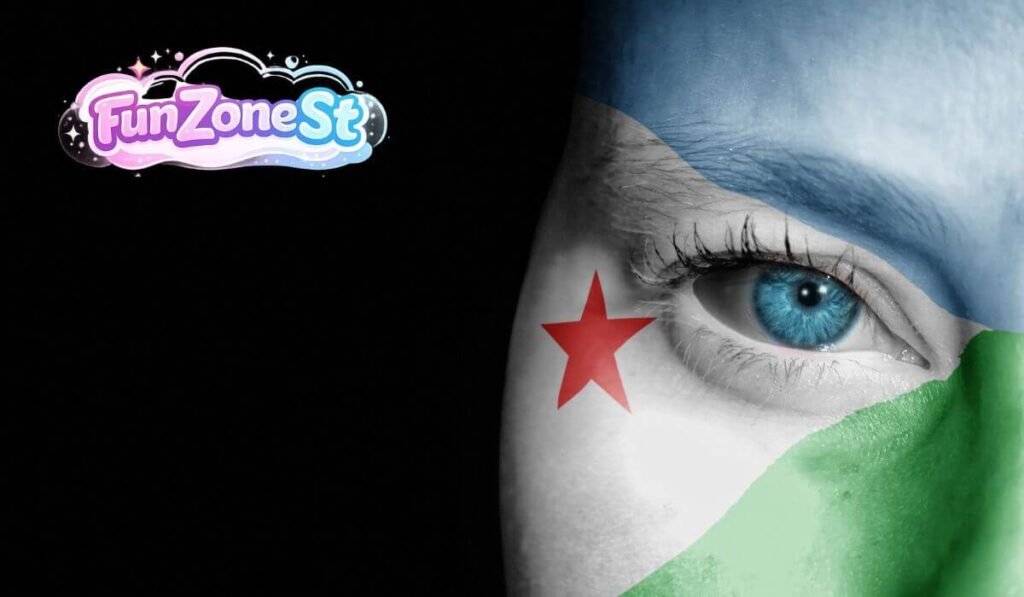
Looking for Djibouti facts and fun details to spark your curiosity? Djibouti is a vibrant East African nation home to Lake Assal (the lowest point in Africa), floating salt formations, friendly whale sharks, and alien-like volcanic landscapes that have inspired classic sci-fi movies.
Have you ever wanted to visit a place where you can float in hyper-salty water, walk through steaming volcanic vents, and swim alongside massive, gentle whale sharks all in one afternoon? That place actually exists, tucked neatly into the Horn of Africa.
When people look up Djibouti facts and fun trivia, they are often blown away by how much adventure there is in one of Africa’s smallest nations. It is a land of extreme landscapes, rich traditions, and mind-boggling geography.
Exploring these fun Djibouti facts reveals a vibrant culture shaped by ancient nomadic traditions, delicious coastal food, and incredible multilingual people. You will quickly realize why this peaceful country attracts scientists, divers, and curious travelers from all corners of the globe.
In this comprehensive guide, we will break down the most fascinating facts and fun details about Djibouti in a clear, easy-to-read way. Get ready to discover why Djibouti is Africa’s best-kept secret!
The Wild Geography of Djibouti
Tucked Inside the Horn of Africa
To understand why Djibouti is so special, you first have to look at where it sits on a world map. It occupies a prime piece of real estate in the Horn of Africa, right where the Red Sea meets the Gulf of Aden.
Despite covering just around 23,000 square kilometers, its location gives it massive global importance. Ships traveling between Europe, Asia, and Africa pass through the Bab-el-Mandeb Strait right off its coastline every single day.
This strategic doorway makes the country a bustling hub of international culture, trade, and maritime history. It is small in size, but huge in global significance!
Land of the Tectonic Triple Junction
Djibouti sits directly on top of what geologists call a tectonic triple junction. This means three massive tectonic plates—the African, Arabian, and Somali plates—are slowly pulling away from each other right beneath your feet.
Because the Earth’s crust is stretching here, the ground is literally pulling apart by a few centimeters each year. This creates intense geothermal activity, subterranean steam vents, and dramatic rift valleys that look like another planet.
If you like geographical oddities, this is one of the very few places on Earth where you can walk across an actively spreading ocean rift on dry land!
Extreme Temperatures and Sun-Drenched Days
If you enjoy warm weather, you will feel right at home here. Djibouti is recognized as one of the hottest countries on the planet year-round.
During the summer months, daytime temperatures routinely climb past 40 degrees Celsius (104 degrees Fahrenheit). Constant desert winds called the “Khamsin” sweep across the plains, keeping the air dry and sizzling.
Yet, this intense heat is precisely what shapes the country’s breathtaking desert landscapes, dried salt flats, and crystal-clear coastal waters.
Mind-Blowing Salt Lakes and Water Wonders
Lake Assal: Africa’s Lowest Point
One of the most famous Djibouti fun tidbits involves Lake Assal. Resting at 155 meters (509 feet) below sea level, it holds the record for being the lowest point on the entire African continent.
It is also the world’s third-lowest land point, sitting right behind the Dead Sea and the Sea of Galilee. Surrounded by black volcanic rock and stark white salt deposits, the lake shines like a bright turquoise jewel in the desert.
Standing on its shore feels like standing on the edge of the world, offering an unforgettable view you will not find anywhere else.
Ten Times Salter Than the Ocean
Ferociously. In fact, with a salt concentration of roughly 34.8 percent, it is nearly ten times saltier than the open ocean.
Because the water is so dense with minerals, you cannot easily sink in it. Visitors can kick back and float effortlessly on top of the warm water, just like a human cork!
Over thousands of years, the intense heat evaporated incoming seawater, leaving behind thick layers of pure white salt crystals that cover the shoreline like fresh snow.
Floating Salt Chimneys and Lake Abbe
Moving inland toward the Ethiopian border brings you to Lake Abbe, another incredible water wonder. Lake Abbe is famous for its towering limestone chimneys that spew steam into the sky.
These natural chimneys were formed when hot underground springs mixed with lake minerals over thousands of centuries, building up structures that reach up to 50 meters high.
At sunrise, steam pours out from the tops of these rock towers, creating a misty, magical atmosphere that looks completely unreal.
Strange and Cinematic Landscapes
The Planet of the Apes Connection
Did you know that Lake Abbe’s bizarre landscape inspired Hollywood royalty? When film directors were scouting locations for the classic 1968 movie Planet of the Apes, they used Lake Abbe’s otherworldly scenery for inspiration.
The sharp limestone spires, cracked mud flats, and steaming vents look so alien that you almost expect space travelers to come walking over the horizon.
Walking through this valley gives you the distinct feeling of stepping directly onto a sci-fi film set!
Volcanic Fields and Ardoukoba
Djibouti is an active land sculpted by fire. The Ardoukoba Volcano, located near Lake Assal, last erupted in 1978 after sleeping for thousands of years.
The eruption created a fresh landscape of jagged black basalt, shiny obsidian, and raw lava fields. Today, adventurous visitors can hike across these cooled lava rivers to explore craters up close.
It offers a thrilling hands-on lesson in how our planet constantly creates new land through volcanic energy.
Desert Canyons and Hidden Oases
Beyond the salt flats and volcanic fields, you will find deep sandstone canyons like the Grand Bara Desert and the Day Forest National Park.
The Grand Bara is a vast, flat expanse of dried clay that looks like a giant mirror stretching to the horizon. It is so flat and open that people use it for sand-yachting races!
Meanwhile, tucked high in the Goda Mountains lies the Day Forest, a green oasis filled with ancient juniper trees, wild olives, and cooling mountain breezes.
Incredible Marine Life and Adventure
Swimming with Gentle Giant Whale Sharks
If you love marine wildlife, this country belongs at the very top of your bucket list. The Gulf of Tadjoura is world-famous as one of the best places on Earth to swim with whale sharks.
Despite being the largest fish in the sea—growing up to 12 meters (40 feet) long—whale sharks are gentle filter-feeders that pose zero danger to humans.
Between October and February, plankton blooms draw large groups of juvenile whale sharks right near the coast, allowing snorkelers to swim right alongside these spotted giants.
Pristine Coral Reefs of the Red Sea
Because Djibouti sees far fewer tourists than other Red Sea destinations, its underwater ecosystems remain pristine, healthy, and bustling with life.
The Seven Brothers Islands, located in the Bab-el-Mandeb Strait, offer world-class scuba diving. Divers can explore dramatic drop-offs, underwater caves, and colorful coral gardens.
You can easily spot sea turtles, manta rays, reef sharks, and hundreds of tropical fish species darting through crystal-clear blue waters.
Beach Days at Plage d’Arta
For a relaxing day by the water, locals and travelers head to Plage d’Arta. This secluded beach features soft golden sand surrounded by dark volcanic hills.
The shallow shoreline makes it an ideal spot for swimming, kayaking, and enjoying a seaside picnic under the African sun.
It is also one of the top launching points for whale shark boat tours during peak season!
People, Culture, and Daily Traditions
A Harmonious Blend of Afar and Somali Cultures
Djibouti’s human history is just as rich as its geography. The country’s population is primarily made up of two main ethnic groups: the Afar and the Somali (specifically the Issa clan).
Both groups have rich nomadic herding traditions, beautiful oral storytelling customs, and a shared history of living in harmony with harsh desert environments.
Today, this cultural blend shapes everything from local music and traditional dance to colorful clothing styles and community festivals.
The Art of Generous Hospitality
Hospitality is a core pillar of life here. Whether you are entering a family home in the capital or visiting a traditional nomadic camp in the desert, guests are treated with immense respect.
It is customary to be offered a warm cup of sweet tea spiced with cardamom and cinnamon as soon as you sit down.
This welcoming attitude makes traveling around the country feel safe, friendly, and deeply rewarding.
The Everyday Tradition of Khat
While exploring urban markets, you will quickly notice a unique local custom involving a plant called Khat (pronounced “chat”).
Khat consists of fresh leaves from a flowering shrub that acts as a mild natural stimulant when chewed. In the late afternoon, friends traditionally gather in shaded rooms to chew khat, sip tea, and discuss local news.
This daily routine serves as an important social gathering where neighbors connect, relax, and catch up after work.
Delicious Food and Flavors
A Culinary Melting Pot
Thanks to its history as a major trading crossroads, local cuisine combines flavors from East Africa, Arabia, and France into mouthwatering dishes.
Meals typically star fresh seafood caught daily from the Red Sea, fragrant rice, flatbreads, and aromatic spices like cumin, coriander, and turmeric.
Here is a quick snapshot of common dietary elements you will encounter across the country:
Mukbasa: The Ultimate Coastal Feast
You cannot talk about local food without highlighting Mukbasa. This famous coastal dish features fresh fish split open, seasoned with red spices, and baked inside a clay tandoor oven.
Once cooked to perfection, the fish is mashed together with sweet bananas, dates, and local honey, then served alongside warm, fluffy flatbread.
The combination of smoky, spicy fish with sweet fruits creates an unforgettable explosion of flavor that keeps travelers coming back for more!
Breakfast with Canjeero
Mornings usually start with a fresh stack of Canjeero. This soft, spongy flatbread resembles a thin pancake with tiny bubbles across its surface.
Locals enjoy eating warm Canjeero drizzled with ghee (clarified butter) and honey, or dipped into a spicy beef stew called Suqaar.
Pairing it with a hot glass of spiced milk tea creates the perfect fuel for a full day of desert exploration!

Fascinating Facts About Language and Life
Multilingual Society in Action
Communication here is fun and fluid because most citizens grow up speaking multiple languages effortlessly.
French and Arabic serve as the country’s official languages, used across government offices, news broadcasts, and schools. Meanwhile, Somali and Afar are the vibrant mother tongues spoken at home and in local markets.
Do not be surprised if you hear someone switch between three different languages in a single sentence while chatting with a neighbor!
Eco-Friendly Nomadic Architecture
In rural areas, traditional Afar herders live in ingenious dome-shaped houses called “Ariyos.” These homes are designed specifically to suit a mobile, desert lifestyle.
Built using woven palm mats stretched over flexible wooden branches, an Ariyo is lightweight, surprisingly cool during hot afternoons, and easy to dismantle.
When it is time to move herds to fresh pastures, families can pack up their entire home and transport it on camelback in just a few hours!
The Giant Railway Line to Ethiopia
Transportation history plays a huge role in the nation’s economy. The historic Ethio-Djibouti Railway, built at the turn of the 20th century, connected the landlocked nation of Ethiopia directly to Djibouti’s ocean port.
Today, a modern electrified railway line carries goods and passengers across high plateaus and desert plains every single day.
This rail line keeps trade flowing smoothly across East Africa, acting as a vital economic lifeline for millions of people.
Historical Milestones and Modern Growth
Independence Achieved in 1977
For many decades, the territory was known as French Somaliland before being renamed the French Territory of the Afars and the Issas.
In June 1977, the nation officially voted for independence, becoming the Republic of Djibouti. Citizens celebrate Independence Day every June 27th with parades, concerts, and colorful street parties.
Since then, the country has built a reputation as an oasis of peace, stability, and diplomatic cooperation in the region.
A Global Peacekeeper’s Hub
Because of its safe environment and strategic location near busy international shipping lanes, several major world powers maintain military bases here.
Nations including the United States, France, Japan, and China lease base facilities to protect commercial shipping from piracy and support humanitarian missions across East Africa.
This international presence brings a unique cosmopolitan feel to the capital city, where diplomats, sailors, and aid workers from every corner of the globe rub shoulders in local cafes.
Green Energy Ambitions
While the desert heat presents daily challenges, it also offers massive opportunities for renewable energy. The government is investing heavily in geothermal, solar, and wind power projects.
By tapping into deep subterranean steam chambers near Lake Assal and harnessing strong coastal winds, the country aims to transition toward 100 percent green electricity.
It serves as an inspiring example of how a small nation can turn extreme natural environments into clean, sustainable power!
Practical Tips for Visiting
Best Time of Year to Travel
Planning your timing carefully makes a huge difference when visiting this sunny region. The ideal travel window runs from November through April.
During these winter months, temperatures drop to a comfortable range of 25 to 30 degrees Celsius (77 to 86 degrees Fahrenheit), making outdoor hiking, swimming, and sightseeing pleasant.
This window also overlaps directly with whale shark season, giving you the best chance to spot marine life!
Respecting Local Customs and Etiquette
While the country is warm and welcoming, it is important to respect local traditions and religious practices, as Islam is the predominant religion.
Here are a few handy cultural tips to keep in mind during your stay:
- Dress Modestly: Keep shoulders and knees covered when walking through public city streets and local markets.
- Ask Before Photos: Always politely ask for permission before taking photographs of residents or street vendors.
- Use Your Right Hand: When eating family-style meals or handing items to someone, use your right hand as a sign of respect.
- Greet Warmly: A simple “Salam Alaikum” (peace be upon you) opens doors and brings bright smiles everywhere you go!
Getting Around the Country
Exploring the sights outside the capital city requires a bit of planning, as roads through desert valleys can be rough and unpaved.
Renting a sturdy 4×4 vehicle with an experienced local driver is the safest and most comfortable way to visit Lake Assal, Lake Abbe, and Day Forest National Park.
For shorter trips around the capital city, green-and-white public taxis are cheap, plentiful, and easy to flag down along main avenues.
Djibouti Facts Practice Exercise
Think you have mastered all these Djibouti facts and fun details? Test your knowledge with these 10 multiple-choice questions!
- What is the capital city of Djibouti?
A. Asmara
B. Djibouti City
C. Addis Ababa
D. Hargeisa - In which part of Africa is Djibouti located?
A. West Africa
B. North Africa
C. Horn of Africa
D. Southern Africa - Which body of water borders Djibouti?
A. Red Sea
B. Atlantic Ocean
C. Mediterranean Sea
D. Indian Ocean - What is one of Djibouti’s most famous natural features?
A. Lake Assal
B. Lake Victoria
C. Mount Kilimanjaro
D. Sahara Desert - Which two countries border Djibouti?
A. Egypt and Sudan
B. Ethiopia and Somalia
C. Kenya and Tanzania
D. Eritrea and Sudan - What is Lake Assal famous for?
A. Being a freshwater lake
B. Its high salt content
C. Its large waterfalls
D. Its tropical forests - What type of climate does much of Djibouti have?
A. Hot and arid
B. Cold and snowy
C. Tropical and rainy
D. Temperate and cool - Which language is an official language of Djibouti?
A. French
B. Spanish
C. Portuguese
D. German - Which sea lies north of Djibouti?
A. Black Sea
B. Red Sea
C. Caribbean Sea
D. Baltic Sea - Why is Djibouti geographically important?
A. It is near major international shipping routes
B. It has the largest rainforest in Africa
C. It is surrounded by mountains
D. It is located in central Africa
Answer Key
1. B | 2. C | 3. A | 4. A | 5. B | 6. B | 7. A | 8. A | 9. B | 10. A

Frequently Asked Questions (FAQs)
What are some top Djibouti facts and fun details for kids?
Djibouti is home to Lake Assal, where you float effortlessly like a cork because the water is so salty! Kids also love learning that you can swim with harmless, spotted whale sharks as big as a school bus in the clear coastal waters.
Why is Lake Assal so famous?
Lake Assal is famous because it represents the lowest point in all of Africa, sitting 155 meters below sea level. Its water is nearly ten times saltier than the ocean, surrounded by sparkling white salt fields that look like snow in the hot desert.
What languages do people speak in Djibouti?
French and Arabic are the official languages used in schools and government offices across the nation. However, most people speak Somali or Afar at home and in daily conversations, making it a delightfully multilingual country.
Is Djibouti a safe country for international tourists to visit?
Yes, Djibouti is widely considered one of the safest and most stable countries in East Africa. Its peaceful political climate, warm culture, and international presence make it a secure destination for adventurous travelers.
What is the best time of year to swim with whale sharks?
The prime window for swimming with whale sharks in the Gulf of Tadjoura runs from October through February. During these months, nutrient-rich waters attract large numbers of juvenile whale sharks close to the shore.
What is the capital city of Djibouti?
The capital city is simply named Djibouti City! It serves as the economic, political, and cultural heart of the country, housing vibrant markets, historic colonial architecture, and a busy commercial seaport.
Conclusion
Learning about these Djibouti facts and fun details shows just how remarkable this small East African nation truly is. From floating weightlessly on Lake Assal to diving alongside peaceful whale sharks in the Gulf of Tadjoura, it offers world-class wonders around every corner.
When you dive into Djibouti facts and fun trivia, you discover a vibrant land filled with deep hospitality, rich nomadic cultures, and mouthwatering coastal food. It proves that you do not need a massive territory to leave a giant impression on travelers and historians alike.
If you ever get the chance to visit the Horn of Africa, put these Djibouti facts and experiences on your bucket list! Pack your camera, bring your spirit of adventure, and prepare to explore one of the most remarkable places on Earth.

Ghzala Rani is the creator and writer behind Funzonest.com, a website dedicated to making everyday topics more enjoyable, interesting, and easy to understand. With a passion for engaging content, Ghzala focuses on creating helpful articles that inform, entertain, and provide readers with useful ideas and insights.
Through Funzonest.com, Ghzala Rani aims to build a friendly online space where readers can discover fresh content and explore topics presented in a simple and enjoyable way. Her writing style focuses on clarity, originality, and reader value. She is committed to publishing well-researched and engaging content that keeps visitors informed while making their time on the website enjoyable.