

A family fun festival is a community-focused event with interactive games, live entertainment, local food vendors, and creative activities for all ages. It brings parents, kids, and neighbors together to enjoy safe, wholesome outdoor entertainment while supporting local organizations and businesses in a festive setting.
Planning a memorable family fun festival is one of the most rewarding ways to bring your local community together. Whether you are organizing a small neighborhood gathering or a large citywide fair, bringing people together takes careful thought.
When you host a well-planned family fun festival, you give parents a safe place to relax while children create happy memories. Every single detail helps turn an ordinary day into a wonderful celebration.
If you are ready to host a family fun festival that everyone will talk about, this simple guide will walk you through each step. Let us explore how to craft an unforgettable day for guests of all ages!
Understanding What Makes a Family Fun Festival Successful

A successful festival is more than just a collection of vendor booths and inflatable slides. It relies on a balanced mix of entertainment, comfort, safety, and accessible activities for toddlers, teenagers, and grandparents alike.
When families step onto your event grounds, they want to feel welcomed, safe, and entertained right away. Achieving this balance requires strategic planning long before the first guest arrives.
Prioritizing Multi-Generational Appeal
Children and adults have very different ideas about what makes an event entertaining. A great festival offers direct engagement for little ones while providing comfortable spaces for adults to socialize and relax.
- Toddlers need low-impact, tactile play zones like sand tables or gentle soft-play mazes.
- Older kids thrive on friendly competition like obstacle courses, carnival games, and sports challenges.
- Parents and caregivers appreciate ample seating, shaded areas, clear signage, and quality live entertainment.
Creating a Safe and Welcoming Atmosphere
Safety is the absolute foundation of any public gathering involving young children. Parents can only enjoy themselves when they feel confident that their children are secure.
Clear perimeter fencing, marked exit points, and visible volunteer staff help maintain an orderly environment. Placing first-aid stations in easily accessible locations reassures visitors throughout the entire day.
Designing an Intuitive Event Layout
The physical flow of your festival site determines how easily people move between attractions. Cramped walkways lead to frustration, while well-spaced stations encourage visitors to stay longer.
Group active zones away from quiet spaces so parents can feed babies or rest without heavy background noise. Position food stalls central to resting areas so guests can sit down comfortably while enjoying their meals.
Key Steps to Plan Your Event from Scratch
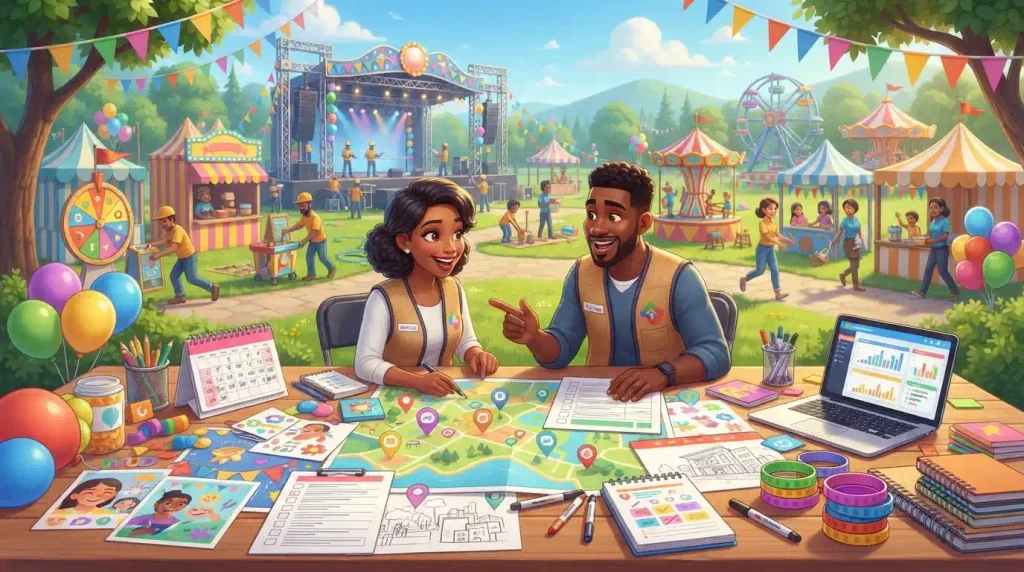
Starting your planning process early prevents last-minute stress and ensures every detail is covered. Setting clear goals and assembling a dedicated team early on keeps your project moving in the right direction.
Setting a Realistic Budget and Timeline
Every great festival starts with a clear financial roadmap. You need to estimate expenses accurately while identifying sources of revenue like ticket sales, vendor fees, or local sponsorships.
Begin your event planning at least six to eight months. Early scheduling secures prime locations, permits, and popular entertainment providers before their calendars fill up.
Securing the Right Location and Permits
Your venue choice dictates how many people can attend and what activities you can host. Public parks, school grounds, and community sports fields make excellent venues for outdoor events.
Always check local municipal guidelines regarding noise ordinances, parking capacity, food service permits, and insurance requirements. Getting municipal approvals early prevents unexpected cancellations or fines down the road.
Assembling an Effective Volunteer Team
Hosting a large crowd requires plenty of helpful hands on the ground. Assign specific roles to your team members so everyone knows their duties during event day.
- Information Desk Ambassadors to guide guests and answer general questions.
- Activity Captains to supervise game booths and inflatable structures.
- Facilities Crew to keep restrooms stocked and garbage bins empty.
- Safety Marshals to monitor entry points and manage lost-and-found services.
Choosing the Best Entertainment and Activities

The heart of any family fun festival is the lineup of activities available to your guests. Offering a rich mixture of free and low-cost entertainment keeps energy levels high across the site.
Interactive Games and Inflatables
Inflatable bounce houses, obstacle courses, and giant slides are guaranteed crowd-pleasers. They draw immediate attention and keep active kids busy for hours.
Always hire reputable rental companies that supply certified operators to secure and monitor inflatables. Pair these big structures with classic lawn games like cornhole, ring toss, or giant Jenga for variety.
Live Stage Shows and Performances
A central stage creates a natural gathering point for crowds throughout the day. Schedule short, high-energy performances that hold the attention of young children without dragging on too long.
Local dance schools, martial arts academies, magicians, and youth bands love performing at community events. Interspersing these performances with interactive contests keeps audience engagement continuous.
Hands-On Craft and Discovery Stations
Not all children enjoy high-intensity physical games. Quiet, creative zones offer a wonderful balance and give kids a chance to create souvenir keepsakes to take home.
Set up face-painting tables, DIY slime-making booths, or simple wooden birdhouse assembly stations. Keep these areas stocked with non-toxic, washable supplies to minimize messy cleanups for parents.
Essential Event Requirements Summary
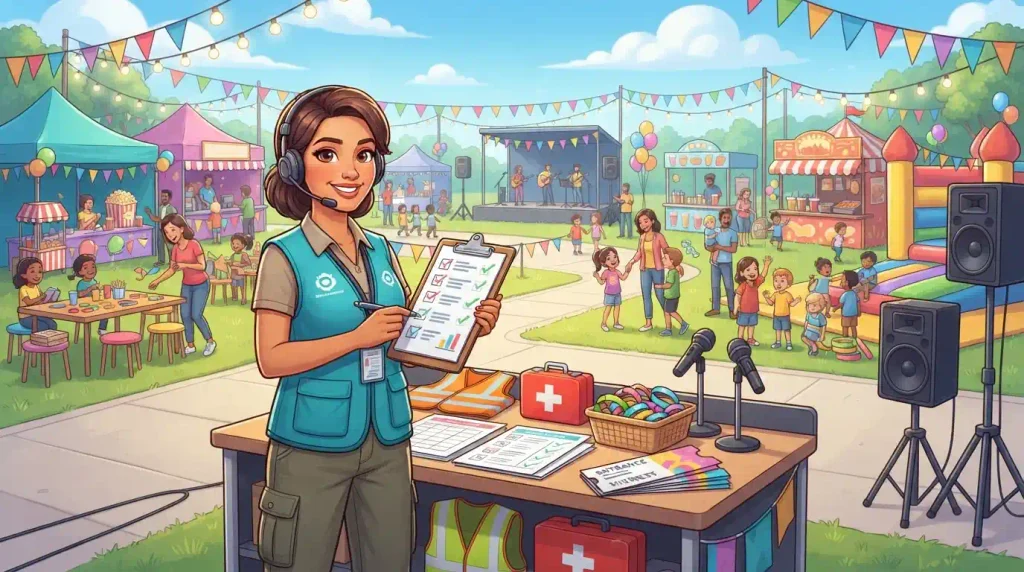
Managing the operational core of a large gathering requires careful attention to critical infrastructure, legal permissions, and site management. Having clear frameworks in place keeps your organizing team aligned, reduces last-minute hurdles, and guarantees a smooth, enjoyable experience for every visitor on event day.
Infrastructure and Equipment Logistics
Setting up a secure site requires securing key equipment early. Ensure you arrange adequate sanitation facilities, trash bins, shade canopies, seating areas, and sound equipment well before the festival date.
Regulatory Compliance and Permits
Operating legally requires proper documentation and city approvals. Obtain all necessary municipal permits, event insurance policies, noise clearances, and vendor health certifications to prevent unexpected interruptions.
Operations and On-Site Safety
Protecting your guests relies on structured emergency protocols and trained staff. Establish a central first-aid station, clear perimeter boundaries, lost-child reconciliation points, and visible volunteer teams across all event zones.
Food and Refreshment Strategies for Families
Hungry children make for short festival visits. Offering diverse, reasonably priced food options keeps families energized and encourages them to stay for the full day.
Partnering with Local Food Vendors and Trucks
Food trucks offer incredible variety without requiring you to build complex kitchen setups. Invite vendors that specialize in kid-friendly favorites alongside healthier choices for health-conscious parents.
- Classic festival foods: Fresh popcorn, cotton candy, snow cones, and soft pretzels.
- Hearty meal options: Gourmet hot dogs, tacos, wood-fired pizza, and chicken tenders.
- Dietary options: Gluten-free snacks, dairy-free frozen treats, and fresh fruit skewers.
Setting Up Hydration and Rest Stations
Outdoor festivals demand constant access to clean drinking water, especially on warm summer days. Free water refill stations reduce plastic waste and keep families properly hydrated.
Place picnic tables under shade canopies or mature trees near the food stalls. Parents will appreciate having a clean, shaded spot to eat while keeping an eye on their kids.
Marketing Your Festival to Reach Local Families

Even the most amazing family fun festival needs clear promotion so people know when and where to attend. A multi-channel marketing campaign ensures maximum local turnout.
Utilizing Local School and Community Networks
Distributing flyers through elementary schools, daycare centers, and community centers reaches your core demographic directly. Many school districts allow event promotions if your festival benefits a local non-profit or community cause.
Hang eye-catching banners in high-visibility traffic zones around town several weeks before the event. Word-of-mouth spreads quickly when local community leaders share your event details online.
Leveraging Social Media and Digital Campaigns
Create an official event page on popular social platforms where you can post regular updates and sneak peeks. Share pictures of confirmed food trucks, featured performers, and game prizes to build excitement.
Run hyper-local digital ads targeted at parents living within a 15-mile radius of your festival site. Encourage followers to tag their friends and share your event posts to increase organic reach.
Managing Logistics and Guest Operations Smoothly
Smooth operations behind the scenes create a stress-free environment for your attendees. When entry lines move fast and facilities stay clean, guests focus entirely on having fun.
Managing Entry Lines and Ticketing
Long lines at the front entrance instantly lower guest enthusiasm. Simplify your ticketing process by offering pre-purchased online wristbands alongside dedicated fast-track entry lanes.
If your event offers free entry, set up wide entrance gates to prevent bottlenecks. Hand out event maps and activity schedules at the entrance to help families plan their visit right away.
Maintaining Cleanliness and Waste Management
A dirty venue ruins the festival atmosphere quickly. Place paired trash and recycling bins every thirty yards throughout the event grounds, especially near food stalls and exit gates.
Assign a dedicated sanitation crew to empty overflowing bins throughout the day. Clean, well-stocked restroom facilities with hand-washing stations are essential for maintaining family satisfaction.
Post-Event Follow-Up and Community Building
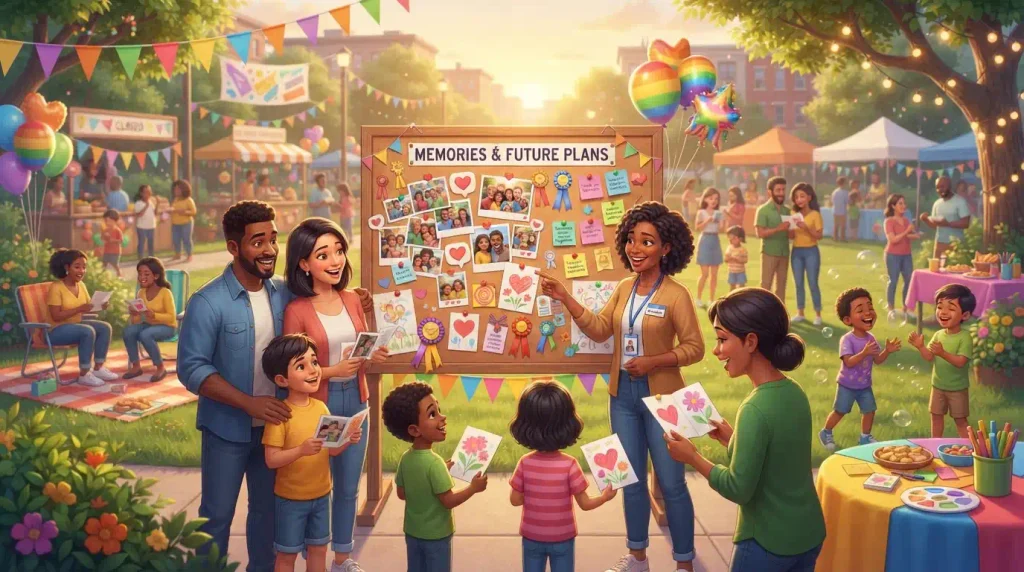
Your work does not completely end when the last guest leaves the field. Proper post-event procedures build goodwill and set a strong foundation for future annual gatherings.
Gathering Feedback from Attendees and Vendors
Send quick digital surveys to ticket buyers and participating vendors to learn what went well and what needs improvement. Constructive feedback highlights potential layout issues or popular activities you should expand next year.
Reviewing vendor sales figures helps you determine which food trucks and games were most popular. Use these insights to refine your vendor selection for future events.
Thanking Sponsors, Volunteers, and Partners
Send personalized thank-you notes to your sponsors, volunteer staff, and local city officials who made the day possible. Expressing genuine gratitude keeps community partnerships strong for years to come.
Share a photo recap video on social media highlighting the best moments of the event. Celebrating the smiles and community togetherness reinforces the success of your project.
Practice Exercise
Question 1
What is the most critical factor when planning an event layout for young families?
A. Putting all noisy speakers next to the baby rest tents
B. Spacing out active play zones from quiet resting areas
C. Placing all trash cans exclusively at the main entrance
D. Hiding the first-aid tent in a remote corner
Question 2
When should you ideally start securing permits and locations for a community festival?
A. Two days before the event
B. One week before the event
C. Six to eight months before the event
D. One year after the event starts
Question 3
Why are interactive craft stations valuable at a family event?
A. They require no supervision at all
B. They give kids a quiet creative outlet and a keepsake
C. They replace the need for any safety rules
D. They force everyone to sit still for three hours
Question 4
What is the primary benefit of partnering with local food trucks?
A. They eliminate the need for drinking water stations
B. They provide food variety without expensive kitchen setups
C. They guarantee that no trash will be generated
D. They manage the entry gate tickets for you
Question 5
How can organizers reduce long entrance wait times on event day?
A. Closing all gates except one small door
B. Offering pre-purchased digital tickets and wristbands
C. Stopping every car for a twenty-minute interview
D. Banning maps and schedules at the gate
Question 6
Which feature is essential to keep families comfortable during hot outdoor summer events?
A. Dark asphalt fields with zero shade tents
B. Free hydration stations and shaded seating zones
C. Loud air horns blown every five minutes
D. Heating lamps placed inside every game booth
Question 7
Why is distributing flyers through local elementary schools an effective marketing tactic?
A. It targets the core family demographic directly
B. It replaces the need for any safety permits
C. It ensures that adults will not attend the event
D. It guarantees zero food vendor expenses
Question 8
What operational task prevents sanitation issues during a large community gathering?
A. Emptying trash bins only after all guests leave
B. Placing paired waste and recycling bins frequently across the venue
C. Removing all hand-washing facilities from rest areas
D. Ignoring restroom maintenance until the next morning
Question 9
How do post-event surveys help festival organizers?
A. They automatically double the sponsor money collected
B. They highlight popular activities and areas needing improvement
C. They remove the need for future permit applications
D. They clean up leftover trash from the park field
Question 10
What role do clear perimeter fencing and visible staff play at a festival?
A. They make the event venue look like a military base
B. They create a secure, reassuring environment for parents and kids
C. They prevent vendors from selling any food items
D. They force guests to leave the event early
Answer Key
B B B B B B A B B B
FAQs
How far in advance should I plan a family fun festival?
You should begin planning six to eight months. This timeline allows enough time to secure permits, book vendors, line up sponsors, and hire reliable entertainment providers without feeling rushed.
How do I choose the best venue for a family event?
Select an accessible venue with flat grassy areas, sufficient parking, shaded spots, and clean restroom infrastructure. Public parks, community centers, and school athletic fields are usually ideal choices for safety and space.
What are the most popular activities for young children at festivals?
Bounce houses, face painting, interactive magic shows, petting zoos, and simple carnival games are huge hits. Offering a balance of high-energy inflatables and hands-on crafts keeps kids entertained all day long.
How can I make my festival affordable for local families?
Offer free general entry alongside low-cost ticket bundles for games and rides. Partnering with local business sponsors helps cover operational costs so you do not have to overcharge attendees for food and activities.
What safety precautions should every family festival have?
Every event needs a centralized first-aid station, clear lost-child procedures, security marshals, and secure perimeter boundaries. Ensure all inflatable equipment is properly anchored and supervised by trained adult staff members at all times.
How many food vendors do I need for a community event?
Plan for roughly one food vendor per 250 to 300 expected attendees to avoid excessively long lines. Include a diverse mix of quick meal options, sweet treats, and cold beverage stalls to satisfy different tastes.
What is the best way to recruit volunteers for event day?
Reach out to local high school honor societies, civic clubs, parent-teacher associations, and volunteer networks. Offering free event T-shirts, meals, and community service certificates encourages people to sign up and help out.
Conclusion
Hosting an amazing family fun festival is an incredible way to unite your local community and bring joy to children. By prioritizing safety, engaging activities, and comfortable rest areas, you create an environment where parents and kids build lasting memories together.
Proper preparation ensures that your family fun festival runs smoothly from the moment gates open until the final cleanup. Remember to start your planning early, recruit dependable volunteers, and partner with local businesses to keep your operational expenses manageable.
When you put the comfort and happiness of your attendees first, your family fun festival will quickly become a cherished annual tradition. Take the first step today by gathering your organizing team and starting your event planning!

Ghzala Rani is the creator and writer behind Funzonest.com, a website dedicated to making everyday topics more enjoyable, interesting, and easy to understand. With a passion for engaging content, Ghzala focuses on creating helpful articles that inform, entertain, and provide readers with useful ideas and insights.
Through Funzonest.com, Ghzala Rani aims to build a friendly online space where readers can discover fresh content and explore topics presented in a simple and enjoyable way. Her writing style focuses on clarity, originality, and reader value. She is committed to publishing well-researched and engaging content that keeps visitors informed while making their time on the website enjoyable.