
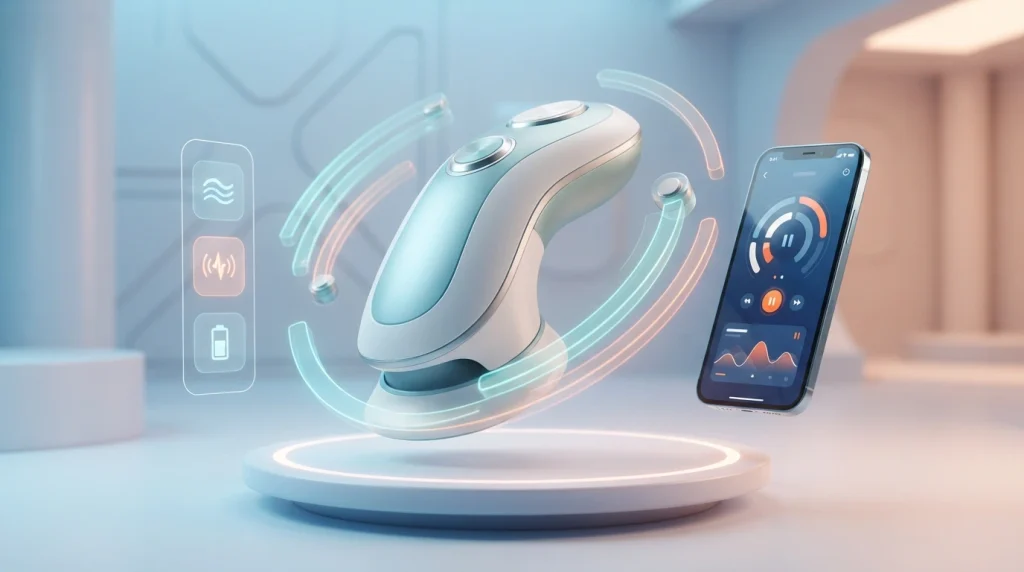
Exploring fun autoblow com details reveals how automated pleasure technology combines high-torque linear motors, smart microprocessors, and ergonomic sleeves to deliver hands-free personal experiences. Understanding device mechanics, proper cleaning routines, and fluid compatibility helps ensure long-lasting performance, maximum comfort, and hygienic home use for today’s users.
Curious about how modern intimate engineering delivers seamless hands-free relaxation? Exploring fun autoblow com features demonstrates how rapidly mechanical innovations have transformed personal wellness devices.
From high-speed motorized movements to smart AI-driven stroking patterns, understanding fun autoblow com technology reveals fascinating engineering secrets. These modern devices make custom home relaxation smoother and more accessible than ever before.
Learning about fun autoblow com mechanics helps you make informed choices regarding device selection, daily maintenance, and optimal usage. Let us examine the practical design elements that make these automated gadgets popular worldwide!
Understanding Automated Pleasure Engineering

The world of personal wellness appliances has advanced rapidly over the past decade. What began as simple vibrating novelties has transformed into sophisticated, high-performance machinery.
Engineers design modern automated devices with heavy-duty linear motors, whisper-quiet sound dampening, and digital microchips. Understanding this mechanical evolution makes operating and caring for your device straightforward.
From Simple Motors to Smart Microprocessors
Early automated tools relied on basic off-center counterweights that produced simple vibrations. Modern automatic units use specialized linear actuators and drive belts to generate realistic up-and-down movement.
These motorized units utilize digital microprocessors to control speed variations down to the millisecond. This system allows the device to transition smoothly from gentle warm-up strokes to high-speed rhythms without stalling.
- Linear actuators provide consistent, smooth vertical movement across various speed settings.
- Digital microprocessors enable custom movement patterns and rapid speed adjustments.
- Enclosed gearboxes shield internal mechanical parts from liquid, dust, and debris.
The Physics of Hands-Free Stability
Designing a device that functions reliably without constant manual support requires precise balance. Heavy internal components, including high-capacity batteries and drive motors, sit near the base to lower the center of gravity.
Many modern designs also incorporate desk mounts, heavy-duty suction bases, or flexible support arms.
This low center of gravity keeps the unit stable during vigorous automated routines, preventing tipping or awkward sliding.
Sleeve Material Science and Interior Textures

While internal motors handle the physical movement, the interior sleeve creates tactile sensations. Material science has progressed significantly, creating soft, body-safe compounds that mimic natural touch.
Selecting the appropriate sleeve material directly influences comfort, sensory feedback, and overall device lifespan.
Thermoplastic Elastomers vs. Medical Silicone
Most premium inner sleeves utilize either Thermoplastic Elastomers (TPE) or medical-grade silicone. TPE is celebrated for its extreme flexibility, soft feel, and ability to hold warmth.
Silicone is non-porous, highly durable, and exceptionally easy to sanitize after every session.
Here is a simple breakdown comparing these two primary sleeve materials:
Interior Texture Engineering
The inner core of an automated sleeve is never flat; it features intricate geometric patterns. Engineers place spiraled ridges, concentric ribbing, and targeted nodules along the inner channel to vary physical feedback.
As the internal carriage glides the sleeve back and forth, these textures apply changing pressure along the contact path.
- Spiraled channels create a gentle twisting sensation as the material stretches.
- Concentric ribs deliver targeted pressure across specific movement zones.
- Narrowed passageways increase internal suction and overall contact tightness.
Smart Features and Interactive Technology
Modern devices go far beyond standard mechanical speed dials. Wireless Bluetooth connectivity, smartphone app integration, and interactive video syncing have turned standalone devices into connected smart experiences.
These technical enhancements allow users to tailor every routine to match their unique personal preferences.
Video Synchronization and AI Pattern Learning
Automatic video synchronization represents one of the most impressive technical breakthroughs in personal wellness. Dedicated software analyzes video content frame-by-frame to map movement speed, stroke depth, and timing.
The app transmits command signals directly to the device via Bluetooth, matching the motor speed to the screen action in real time.
Additionally, artificial intelligence algorithms learn which speed patterns you prefer, automatically building customized routines over time.
Custom Speed and Rhythm Profiles
Fixed, repetitive speeds can quickly become monotonous during extended sessions. Smart microprocessors address this by offering dozens of pre-programmed rhythm modes that alternate stroke length and speed.
These programs mix short, fast movements with long, deep glides to maintain engagement.
Users can also design custom speed profiles within smartphone apps, saving personalized routines for future enjoyment.
Essential Maintenance and Cleaning Procedures
Proper care is critical when operating any automated electronic appliance. Because these units combine complex electrical components with soft, porous sleeves, maintaining cleanliness requires a systematic approach.
Establishing a consistent maintenance routine protects your investment and ensures safe, hygienic performance for years.
Cleaning and Sanitizing Your Sleeve
Never submerge the main motorized base unit in water unless the manufacturer explicitly rates the electrical housing as fully waterproof. Always detach the soft inner sleeve before applying water or cleaning solutions.
Wash the sleeve thoroughly under warm running water using specialized toy cleaner or mild antibacterial soap.
- Rinse all soap residue from the inner textured channels completely.
- Gently pat the exterior surface dry with a clean, lint-free towel.
- Place the sleeve on an elevated drying rack to air dry inside and out.
Proper Storage and TPE Powder Care
TPE material naturally retains surface tackiness if stored improperly after washing. Applying a light coating of renewal powder or pure cornstarch after drying keeps the surface smooth and velvety.
Store sleeves in a cool, dry area away from direct sunlight, high heat, and heavy dust.
Never store TPE sleeves in direct contact with silicone items, as chemical reactions between the materials can cause permanent degradation.
Selecting Compatible Lubricants

Using the correct lubricant is essential for user comfort and preserving delicate sleeve materials. Incompatible fluids can permanently ruin TPE sleeves or damage internal drive belts.
Understanding fluid compatibility prevents accidental equipment damage and ensures smooth operation.
Why Water-Based Lubricants Are Mandatory
Water-based lubricants are the safest option for all automated stroking devices. They provide smooth lubrication, wash away effortlessly with water, and never degrade TPE or silicone compounds.
Because automated mechanical movement generates friction and mild warmth, selecting a high-viscosity water-based formula prevents drying out during sessions.
Apply lubricant generously inside the sleeve channel and directly on yourself before engaging the motor.
Lubricants to Avoid Entirely
Silicone-based lubricants should never be used on silicone sleeves, as they chemically dissolve the surface layer. Oil-based substances, such as petroleum jelly, baby oil, or lotion, must also be avoided completely.
Oils break down TPE materials rapidly, causing them to swell, lose structural integrity, and tear.
Furthermore, oil residues can seep inside the mechanical base and destroy drive belts or motor bearings.
Practical Troubleshooting for Common Issues
Even premium automated appliances occasionally encounter minor operational snags. Learning basic troubleshooting steps helps you address simple issues promptly without voiding product warranties.
Here are quick solutions for common mechanical concerns.
Addressing Power and Battery Failures
If your device fails to power on, the cause often involves travel lock features or loose charging connections. High-capacity lithium-ion batteries require full charge cycles to deliver maximum voltage to the motor.
- Verify if travel lock mode is active by holding the power button for five seconds.
- Inspect magnetic charging ports for dust, lint, or surface oxidation.
- Ensure you are using a compatible USB power adapter matching the required voltage.
Resolving Motor Stalling and Excessive Noise
A motor that struggles or produces grinding noises usually suffers from internal friction. This situation occurs most frequently when there is insufficient lubrication inside the sleeve channel.
If applying additional water-based lubricant does not quiet the unit, check whether the sleeve is positioned properly inside the drive carriage.
Misaligned sleeves create uneven physical resistance, forcing internal gears to work harder than intended.
Practice Exercise
Test your knowledge regarding automated device technology, maintenance, and fluid compatibility with these 10 questions.
Technology and Materials
- Which internal mechanism is mainly responsible for controlled vertical movement in modern automated devices?
A. Air compression valves
B. Thermal heating elements
C. Linear actuators
D. Counterweight motors - Which lubricant type is generally recommended for compatibility with TPE and silicone sleeves?
A. Water-based lubricant
B. Petroleum jelly
C. Coconut oil
D. Mineral oil - What is the main reason for applying renewal powder or cornstarch to a TPE sleeve after cleaning?
A. To waterproof the sleeve
B. To increase motor speed
C. To change its color
D. To help prevent the surface from becoming sticky - Which sleeve material is known for being non-porous and highly durable?
A. Natural latex
B. Medical-grade silicone
C. Open-cell foam
D. Standard TPE - What can happen when oil-based lubricants are used with TPE sleeves?
A. The material may swell, deteriorate, and eventually tear
B. The sleeve becomes completely waterproof
C. The motor automatically increases its speed
D. The material becomes permanently sanitized
Maintenance and Smart Features
- How can smart automated devices synchronize mechanical movement with digital video content?
A. By measuring changes in room temperature
B. Through built-in microphones alone
C. By using software that analyzes video movement through a wireless connection
D. Through cables connected directly to a television - What should be done before cleaning a removable sleeve from an automated device?
A. Freeze the sleeve for several hours
B. Remove the inner sleeve from the electrical base
C. Spray the motor with industrial degreaser
D. Place the complete powered unit underwater - Why are heavier motor components commonly positioned near the bottom of an automated device?
A. To improve battery charging speed
B. To make the device look larger
C. To warm the upper sleeve area
D. To create a lower center of gravity and improve stability - What is the purpose of spiraled ridges inside a sleeve channel?
A. To provide varied pressure and tactile sensations
B. To hold internal batteries in position
C. To prevent lubricant from moving
D. To make the sleeve dry instantly - Which feature helps prevent an automated device from activating accidentally during transportation?
A. Moisture detection sensor
B. Removable motor gear
C. Travel safety lock sequence
D. Emergency heating fuse
Answer Key:
1-C | 2-A | 3-D | 4-B | 5-A | 6-C | 7-B | 8-D | 9-A | 10-C
FAQs
What is a fun autoblow com device?
An automated stroking device utilizes motorized internal carriages to move a textured sleeve along a guided path. It delivers customizable, hands-free personal relaxation through adjustable speed modes, smart connectivity, and ergonomic design.
How do I clean my automated sleeve correctly?
Detach the sleeve from the motorized base before washing. Clean the sleeve with warm water and mild antibacterial soap, pat dry with a lint-free towel, let it air dry completely, and apply renewal powder to TPE surfaces.
Can I submerge the motorized base in water?
No, never submerge the motorized base unit in water unless the manufacturer explicitly rates the housing as fully waterproof. Water entering electrical compartments damages digital microprocessors, rusts mechanical gears, and voids warranties.
Why is water-based lubricant required for automated devices?
Water-based lubricant is required because it provides slick lubrication without damaging sensitive TPE or silicone compounds. Oil or silicone fluids destroy sleeve materials rapidly and can creep into internal gearboxes.
How long does a TPE sleeve typically last?
With proper cleaning, thorough air drying, and regular application of renewal powder, a TPE sleeve typically lasts six to twelve months. Replacing sleeves periodically ensures optimal hygiene and maintains firm interior texturing.
What causes an automated motor to make loud grinding sounds?
Loud motor noises usually signal high friction caused by inadequate lubrication inside the sleeve channel. Applying generous amounts of water-based lubricant and verifying correct sleeve alignment inside the carriage resolves most noise issues.
Conclusion
Exploring modern fun autoblow com technology demonstrates how smart mechanical engineering, advanced material science, and app connectivity have revolutionized automated personal relaxation. From quiet linear motors to ultra-soft TPE interior textures, these compact appliances deliver impressive hands-free versatility.
To ensure long-term performance from your device, always prioritize routine maintenance, proper washing procedures, and the exclusive use of water-based lubricants. Taking care of your fun autoblow com setup guarantees reliable, hygienic operation for every session.
Take advantage of smart app features, experiment with custom speed profiles, and enjoy the convenience that modern fun autoblow com technology brings to your home relaxation routine!

Ghzala Rani is the creator and writer behind Funzonest.com, a website dedicated to making everyday topics more enjoyable, interesting, and easy to understand. With a passion for engaging content, Ghzala focuses on creating helpful articles that inform, entertain, and provide readers with useful ideas and insights.
Through Funzonest.com, Ghzala Rani aims to build a friendly online space where readers can discover fresh content and explore topics presented in a simple and enjoyable way. Her writing style focuses on clarity, originality, and reader value. She is committed to publishing well-researched and engaging content that keeps visitors informed while making their time on the website enjoyable.