

Explosion fun combines thrilling science, impressive visual reactions, and creative play in a safe, educational way. Whether you are creating classic baking soda volcanoes, observing soda geysers, or exploring cinematic special effects, it offers hands-on excitement that sparks genuine curiosity about physics and chemistry.
Ever wondered why bright colors and big bursts grab our attention so fast? That sudden surge of excitement is the pure magic of explosion fun in action, sparking instant curiosity and smiles.
When controlled safely, rapid bursts of energy create an unforgettable mix of wonder, laughter, and real hands-on learning. It transforms ordinary afternoons into memorable adventures filled with visual drama and playful discovery.
You can easily enjoy safe explosion fun right in your kitchen using simple everyday items. It is an amazing way to explore basic chemistry and physics without needing fancy laboratory tools or dangerous materials.
Let us explore why these sudden pops are so satisfying and how you can experience this high-energy entertainment yourself. From backyard science projects to Hollywood movie tricks, get ready to experience maximum thrill in the safest way possible.
What Makes Explosion Fun So Absolutely Thrilling?

Have you ever blown up a paper bag just to pop it with a loud bang? That sudden release of trapped energy is the foundation of explosion fun. It creates a sudden, delightful surprise that instantly wakes up your brain.
People of all ages naturally enjoy controlled surprises because they give us a safe adrenaline rush. Watching something rapidly expand or transform grabs your full focus like almost nothing else. It combines visual drama, sound, and instant action into one unforgettable moment.
The Brain Science Behind the Pop
Our brains are hardwired to react to sudden changes in our environment. When a safe reaction pops or foams, your brain releases a quick hit of dopamine. That chemical rush turns simple curiosity into pure joy.
It is the same reason why video game power-ups and movie special effects rely on flashy bursts. That quick moment of surprise instantly turns an ordinary science trick into epic entertainment.
Why We Love Safe and Controlled Reactions
Danger is never the goal, but the illusion of dramatic action is completely magnetic. Controlled physical and chemical reactions give you all the visual excitement without any actual risk.
Think of it like riding a gentle roller coaster. You get the thrilling sensation of big speed and power, all while staying completely protected and secure.
From Childhood Toys to Hollywood Magic
You have probably experienced this joy for years without even realizing it. Toy foam rocket launchers, confetti cannons at birthday parties, and movie pyrotechnics all rely on rapid expansion.
Entertainment creators know that a good burst of energy elevates any story. It marks a moment of triumph, celebration, or big surprise that stays in your memory.
The Chemistry Behind Your Favorite Fizzy Bursts

To really appreciate the excitement, it helps to see how simple materials build up pressure. Most household reactions rely on two main triggers: gas creation or pressure buildup. When that gas has nowhere to go, it pushes outward in a hurry.
Understanding this basic science makes setting up your own safe activities even more enjoyable. You transform from a simple spectator into a master of backyard chemistry.
Acids and Bases: The Classic Foaming Combo
The easiest way to generate quick gas at home is by mixing an acid with a base. Kitchen cupboard staples like vinegar (an acid) and baking soda (a base) love to trade particles.
When they touch, they instantly create carbon dioxide gas bubbles. If you trap those bubbles inside a narrow bottle opening, they shoot upward in a beautiful, frothy fountain.
Nucleation: The Secret Behind Soda Geysers
Have you ever dropped a mint into a bottle of diet soda and watched a geyser shoot into the air? That is not actually a chemical reaction; it is a physical process called nucleation.
The surface of the mint is covered in thousands of microscopic pits. These tiny bumps give the carbonation dissolved in the soda a place to instantly transform into gas bubbles, creating a rapid geyser.
Pressure Build-Up and Rapid Expansion
Gas molecules love to spread out as much as possible. When you force a lot of gas into a tiny, sealed space, those molecules push violently against the container walls.
Once the container cannot hold that stress anymore, the lid pops off or the seal breaks. That sudden movement of displaced air is what creates the sound and movement we enjoy.
Safe Home Experiments for Epic Explosion Fun

Ready to bring some hands-on excitement to your backyard? You do not need a fancy laboratory or dangerous materials to enjoy high-energy science.
These family-friendly activities use cheap, non-toxic household supplies to deliver maximum visual impact. They are simple to prepare and offer fantastic, mess-filled excitement for all ages.
The Ultimate Baking Soda and Vinegar Volcano
This classic experiment never gets old because you can easily customize the visual results. All you need is a plastic bottle, baking soda, dish soap, and warm vinegar.
- Fill your plastic bottle halfway with warm water, two tablespoons of baking soda, and a squirt of dish soap.
- Add a few drops of red or orange food coloring to make it look like real lava.
- Pour in a full cup of vinegar and quickly step back to watch the dense foam burst out.
Adding dish soap is the secret trick here. It traps the carbon dioxide gas, turning a quick splash into a thick, creeping river of colorful foam.
Mentos and Diet Soda Rocket Geysers
If you want impressive height, nothing beats a classic soda geyser in the open yard. A single tube of mint candies dropped into a two-liter soda bottle can launch liquid over twenty feet high!
- Choose diet soda because it is less sticky to clean up and contains artificial sweeteners that boost fountain height.
- Use a rolled paper tube or index card to drop all the mints into the bottle at the same instant.
- Always perform this test outside on a lawn or driveway where mess is not a problem.
The sudden blast happens in less than two seconds, making it one of the absolute best examples of home explosion fun you can create.
Film Canister Alka-Seltzer Poppers
For a quick indoor or outdoor pop, vintage plastic film canisters or snap-lid mini containers work wonders. This simple setup turns air pressure into a harmless mini-rocket.
Fill a small snap-lid container one-third full with warm water. Drop in half of an effervescent tablet, snap the lid tightly on, flip the container upside down on a flat outdoor surface, and step back.
As the tablet dissolves, carbon dioxide builds inside the tiny chamber. Within ten seconds, the pressure pops the base high into the air with a satisfying click!
The Stomp-Powered Foam Rocket Launch
If you prefer to avoid liquids entirely, pneumatic air pressure offers incredible launching power. Foam rockets attached to a flexible tube and air bladder convert mechanical energy into instant flight.
When you jump on the air bladder, you force a large volume of air through a narrow tube instantly. That trapped air pushes against the hollow base of the foam rocket, sending it soaring across your yard.
Comparing Safe Home Blast Experiments

Choosing the best science experiment depends on your available space, clean-up time, and ingredient list. Comparing mess levels, height potential, and core materials helps you pick the safest project for your group while keeping clean-up simple and stress-free.
Assessing Blast Height and Reaction Power
Different chemical reactions produce varying levels of pressure and foam height. Knowing what to expect ensures you choose an open outdoor space for high-flying geysers or a contained tray for lower-reacting tabletop volcanoes.
Managing Mess Levels and Clean-Up
Some experiments leave minimal residue, while others foam heavily or spray high into the air. Preparing the right environment, like laying down plastic sheets or moving to the lawn, keeps the fun high and the post-experiment cleanup quick.
Gathering Essential Materials
Most blast projects use everyday kitchen ingredients like vinegar, baking soda, dish soap, or carbonated drinks. Checking your pantry beforehand ensures you have all required materials ready for a smooth, hassle-free activity.
To help you choose the right project for your afternoon, here is a quick overview comparing mess levels, height, and main ingredients.
How Hollywood Creates Safe Cinematic Blasts
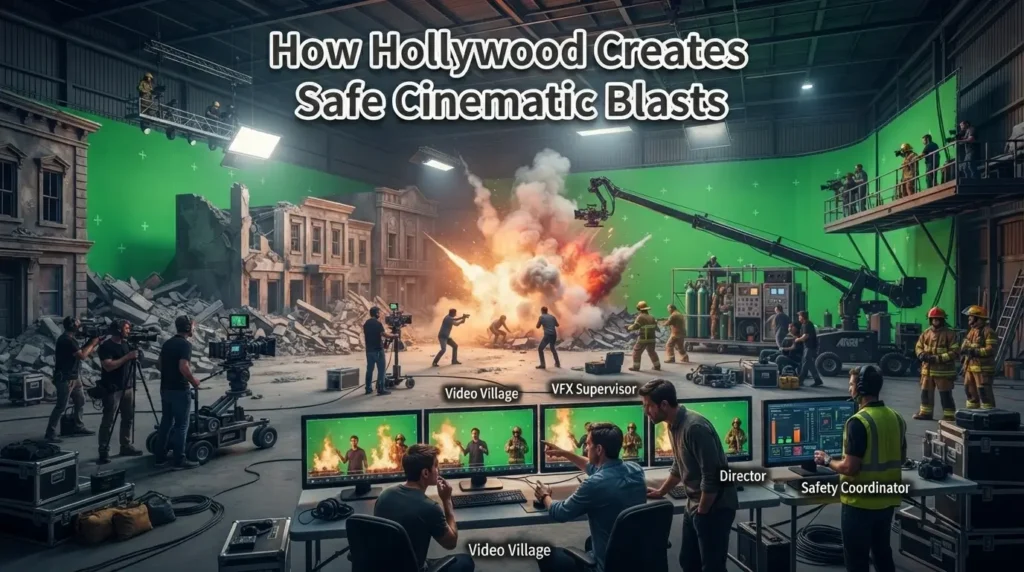
When you watch action movies, giant fiery bursts look terrifying and extremely dangerous. However, movie sets are carefully controlled environments where safety reigns supreme.
Special effects artists are absolute masters of visual trickery. They use clever physics, soft materials, and computer graphics to craft incredible cinematic moments.
Air Mortars and Dust Blasts
In modern movies, real high explosives are rarely used near actors. Instead, crew members use pneumatic air mortars hidden inside props or buried in dirt.
An air mortar uses compressed gas to launch soft materials like cork, sawdust, Fuller’s earth, and lightweight foam into the air. When triggered, it creates a massive cloud of flying debris that looks terrifying on camera but is completely harmless.
Miniature Models and High-Speed Cameras
Filmmakers frequently build detailed small-scale models of buildings or spaceships when they want to destroy them on screen. They set up tiny, carefully metered charges inside the model to break it apart gracefully.
By filming the event with high-speed cameras running at thousands of frames per second, the action slows down dramatically during playback. This slow motion turns a tiny fraction of a second into a majestic, giant destruction scene.
Digital CGI Enhancements and Layering
Most modern explosions combine practical ground effects with digital magic added during post-production. Actors might react to a harmless blast of compressed air and bright yellow lights on set.
Later, digital artists layer real fire footage and volumetric smoke clouds over the scene using computers. This seamless blending gives audiences maximum thrills while keeping everyone on set completely safe.
Nature’s Most Shocking Natural Bursts

Long before humans invented fireworks or chemical experiments, planet Earth was generating its own natural display of explosive power. Nature uses immense pressure, extreme heat, and trapped gases to reshape landscapes instantly.
Learning about natural geological events shows us just how powerful trapped energy can be on a planetary scale. It is nature’s own high-stakes version of physics in action.
Volcanic Eruptions: Planet Earth’s Pressure Valves
Volcanoes are the ultimate natural pressure cookers. Deep beneath the Earth’s crust, molten rock called magma holds dissolved gases under incredible weight and pressure.
As magma rises toward the surface, those trapped gases expand rapidly into bubbles. If the magma is thick and sticky, the gas cannot escape easily, building up immense force until the volcano erupts into ash, pumice, and lava.
Hydrothermal Geysers: Boiling Water Cannons
Hydrothermal geysers like those in Yellowstone National Park operate like gigantic natural tea kettles. Water deep underground gets heated by magma well past its boiling point.
However, the weight of the water column above prevents it from turning into steam immediately. Once the bottom layer gets hot enough, it suddenly flashes into steam, expanding instantly and launching superheated water hundreds of feet into the sky.
Seed Pods: The Plant Kingdom’s Pop-Guns
Did you know that some plants use explosive force to spread their offspring? Species like the squirting cucumber and touch-me-not plant build up intense hydraulic water pressure inside their seed pods.
When a passing animal brushes against the ripe pod, the tissue snaps open instantly. The pod fires its seeds outward at high speeds, ensuring the young plants grow far away from their parent.
Creative Ways to Enjoy Blast-Themed Fun in Gaming and Toys
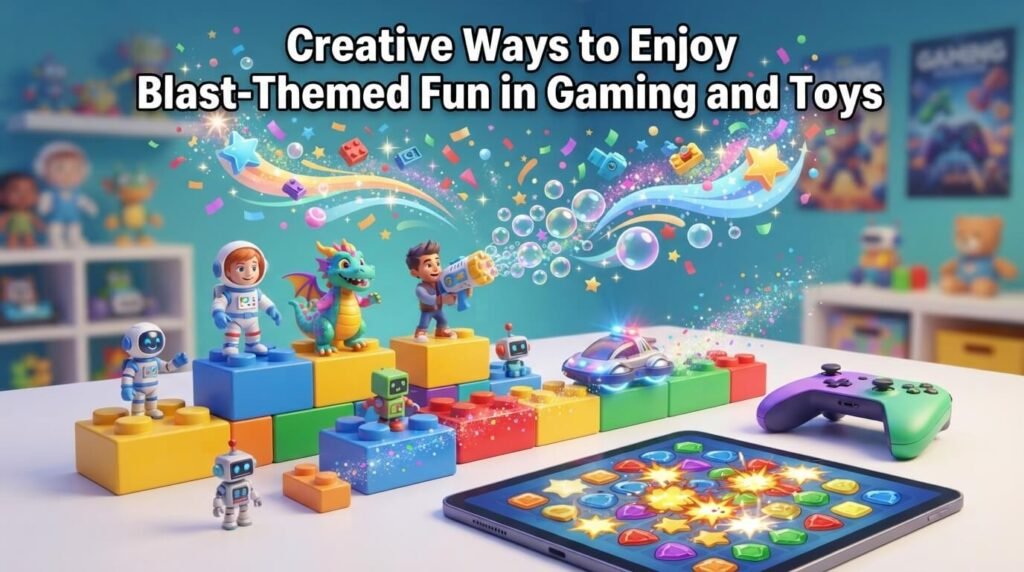
You do not need liquids or chemistry to enjoy fast-paced action and playful bursts. The toy and video game industries are packed with creative designs centered around colorful, harmless, energetic effects.
These playful activities let you experience big action through pure imagination, strategic play, and digital design.
Video Game Mechanics and Environmental Physics
Game developers rely heavily on blast physics to make gameplay feel punchy and rewarding. Destroying barrels, casting fire magic, or launching colorful paint rockets adds immense satisfaction to digital worlds.
Games like Minecraft or Angry Birds turn chain reactions into clever puzzle mechanics. Players must carefully analyze structures and trigger specific points to clear levels efficiently.
Board Games with Popping Mechanics
Tabletop games frequently use mechanical popping timers or popping dice bubbles to add tension and laughter. The unexpected “pop” keeps players on the edge of their seats throughout their turn.
That sudden mechanical jump creates a shared moment of surprise for everyone at the table. It turns simple board games into memorable social experiences filled with energetic giggles.
Backyard Water and Foam Launchers
During hot summer days, water balloon launchers and foam blast toys bring active excitement outdoors. Elastic bands and air pumps allow kids and adults to launch soft projectiles across the yard.
These toys offer a fantastic way to run around, practice aiming, and enjoy high-speed outdoor games safely. They combine athletic play with satisfying visual impacts.
Essential Safety Rules for Safe Science Fun
Even though home science projects use harmless household items, practicing basic safety is essential. Teaching good habits ensures that every experiment stays clean, comfortable, and fun for everyone involved.
Following a few simple guidelines keeps your home safe and turns every project into a smooth, professional success.
- Wear Eye Protection: Always wear safety goggles when dealing with pressurized containers or splashing liquids to keep your eyes fully protected.
- Work Outdoors or Use Trays: Conduct messy liquid tests outside on grass or inside deep plastic storage bins to make cleanup quick and effortless.
- Keep Safe Distance: Never lean directly over a sealed container after adding ingredients; always step back three to five feet immediately.
- Never Use Sealed Glass: Only use flexible plastic bottles or paper containers for pressure tests; never use glass jars that could shatter.
- Adult Supervision: Ensure an adult guides the activity whenever younger kids are mixing ingredients or handling pressurized toys.
Practice Exercise
Test your knowledge on safe science, gas pressure, and energetic reactions with these quick questions!
- What common gas is produced when you mix baking soda and vinegar?
A. Oxygen
B. Carbon Dioxide
C. Nitrogen
D. Hydrogen - Which physical process causes the rapid foam fountain when Mentos drop into diet soda?
A. Fermentation
B. Nucleation
C. Combustion
D. Oxidation - Why do movie crews use air mortars instead of real explosives near actors?
A. Air mortars are much cheaper to paint
B. They push soft debris safely using compressed air
C. They only work indoors
D. Air mortars produce real fire automatically - What creates the upward force inside a film canister Alka-Seltzer rocket?
A. Trapped gas building up pressure
B. Magnetic attraction
C. Gravity pulling the lid down
D. Static electricity - Which plant seed pod uses hydraulic water pressure to pop its seeds outward?
A. Oak acorn
B. Squirting cucumber
C. Pinecone
D. Maple key - What is the primary benefit of adding dish soap to a baking soda volcano?
A. It changes the chemical temperature
B. It turns the gas into thick, long-lasting foam
C. It makes the eruption completely silent
D. It stops the reaction from happening - Which metal or material should NEVER be used for DIY pressure experiments?
A. Soft plastic
B. Thin paper
C. Rigid glass
D. Cardboard - Why does diet soda work slightly better than regular soda for candy geysers?
A. It is heavier than water
B. Artificial sweeteners lower surface tension more effectively
C. It contains real fruit juice
D. It has no carbonation - What camera technique makes small model explosions look massive in movies?
A. Recording at high speed for slow-motion playback
B. Filming in pitch-black darkness
C. Using a blurry lens
D. Moving the camera extremely fast
Answer Key
- B | 2. B | 3. B | 4. A | 5. B | 6. B | 7. C | 8. B | 9. A
FAQs
What makes baking soda and vinegar react so fast?
Baking soda is a base and vinegar is an acid. When they mix, they instantly trade protons and break down into water and carbon dioxide gas, creating rapid foaming.
Is the soda and Mentos geyser dangerous for kids?
No, it is a completely safe physical reaction using food products. However, it is very sticky and launches high, so it should always be done outdoors in old clothes.
Why do film canister rockets fly into the air?
The dissolving tablet releases carbon dioxide gas inside the sealed canister. Once the air pressure exceeds the lid’s grip, it pops downward, shooting the canister upward.
Can I do foam science experiments indoors safely?
Yes, you can easily contain indoor foam reactions by building them inside a deep rimmed baking sheet, plastic tub, or clean kitchen sink.
How do special effects artists make fake fire look real?
Effects artists layer high-speed footage of controlled propane flames over air-driven dust bursts using digital editing software to create realistic, safe movie action.
What age group is best suited for backyard popping science?
Kids aged five and up love these visual projects with adult guidance. Older kids can measure ingredients themselves to learn the precise chemistry principles.
Conclusion
Bringing a little explosion fun into your home science routine is one of the best ways to make learning feel like an absolute adventure. From simple kitchen volcanoes to high-soaring soda geysers, these safe activities turn basic chemistry into unforgettable moments of wonder and genuine explosion fun.
By understanding how gas pressure, nucleation, and energy expansion work, you can explore the physical world with fresh curiosity and confidence. Always remember to prioritize safety with protective goggles and a clear outdoor space before launching your next big project of explosion fun.
Gather a few simple ingredients today, step out into the backyard, and enjoy the pure delight of sudden, colorful action!

Ghzala Rani is the creator and writer behind Funzonest.com, a website dedicated to making everyday topics more enjoyable, interesting, and easy to understand. With a passion for engaging content, Ghzala focuses on creating helpful articles that inform, entertain, and provide readers with useful ideas and insights.
Through Funzonest.com, Ghzala Rani aims to build a friendly online space where readers can discover fresh content and explore topics presented in a simple and enjoyable way. Her writing style focuses on clarity, originality, and reader value. She is committed to publishing well-researched and engaging content that keeps visitors informed while making their time on the website enjoyable.