
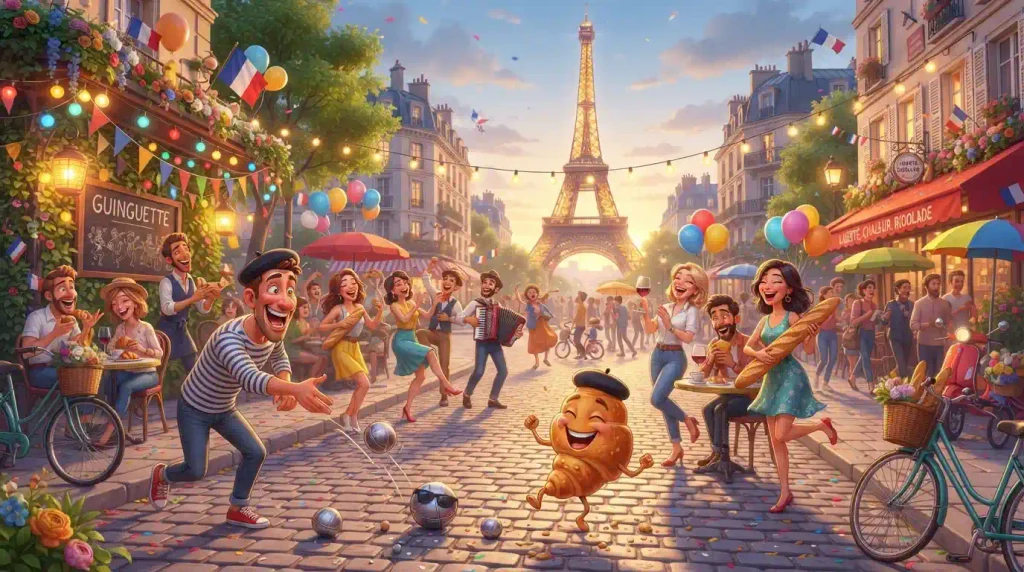
To see how the French have fun, look at their focus on leisure, shared meals, outdoor games, and rich social conversations. From playing pétanque in neighborhood parks to relaxing at sidewalk cafés, their approach revolves around savoring moments, prioritizing free time, and celebrating daily pleasures with close friends.
Have you ever wondered how people in Paris or Provence spend their weekends relaxing after a busy week? Watching how the French have fun reveals a wonderful lifestyle centered around good food, laughter, and effortless leisure.
Understanding the ways the French have fun gives you a fresh perspective on balancing work with genuine enjoyment. They turn simple moments like park visits or long dinners into delightful celebrations.
Let us explore everyday habits, popular sports, and conversational phrases that show how the French have fun every day. You will pick up great ideas to bring a splash of continental joy into your own routine.
Discovering how simple cultural shifts make everyday life more vibrant is an absolute joy for travel lovers everywhere.
The Art of Art de Vivre: Understanding French Leisure Culture
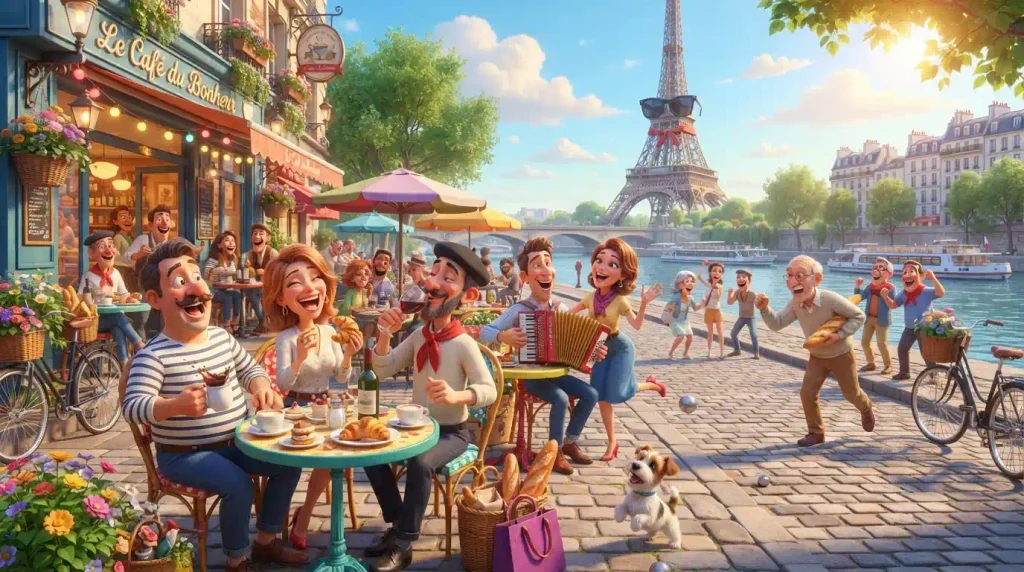
In France, fun is not something you squeeze into a tight schedule between chores. It is built directly into the fabric of daily life through a concept called art de vivre, or the art of living well.
Rather than chasing adrenaline or expensive thrills, locals focus on sensory appreciation and meaningful connection. A quiet hour spent sitting under a tree can feel just as satisfying as a night out at a concert.
Why the French Prioritize Free Time Over Work Pressure
Work is important, but personal leisure holds a sacred place in French society. Statutory vacation allowances and strict work-hour limits encourage workers to step away from screens and enjoy family life.
This healthy boundary keeps stress levels low and gives people energy for creative hobbies. When weekend time arrives, people fully disconnect from office emails to focus entirely on relaxation.
Savoring the Present Moment Through Slow Living
Slow living is not a modern internet trend across Europe; it is a long-standing tradition. People take time to notice small details, like warm morning sunlight or fresh bread straight from the bakery.
Rushing through activities is generally discouraged because it prevents you from truly experiencing them. Taking two hours to finish lunch allows the mind and body to reset completely.
The Social Importance of the Terrace Culture
Street-side cafe terraces function as communal outdoor living rooms in almost every village and major city. Sitting at a tiny round table with an espresso or cold drink offers prime front-row seats for people-watching.
Friends meet on terraces to debate current events, share laughs, or simply read books side by side. The goal is not to finish a drink quickly, but to hold down a sunny spot and watch the world go by.
Popular Social Activities and Outdoor Games in France
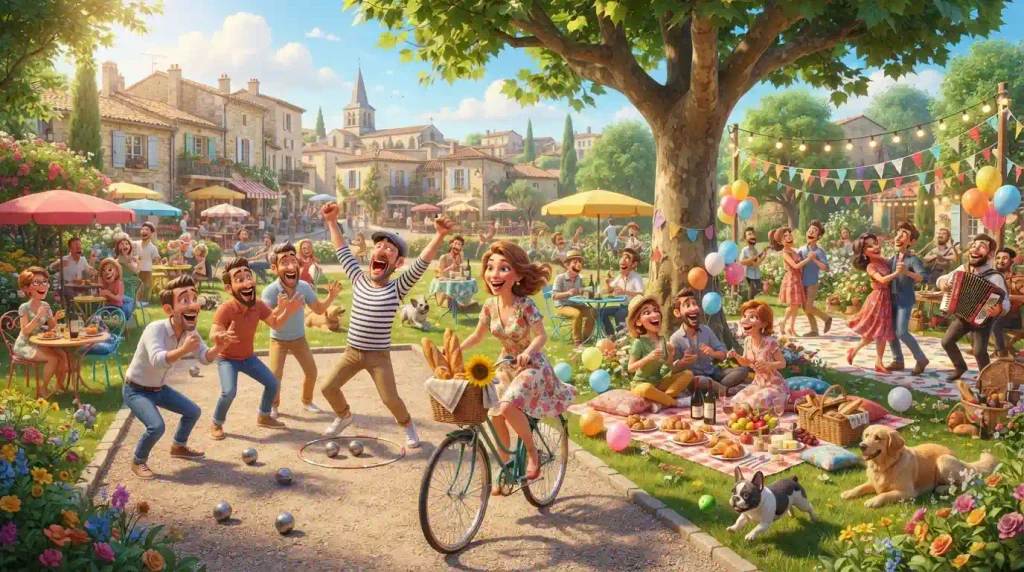
When locals step outside to socialize, they favor games and activities that encourage easy conversation. You do not need expensive equipment or intense athletic training to participate in popular French pastimes.
These outdoor games bring together teenagers, parents, and retirees in neighborhood parks across the country every weekend.
Pétanque: The Ultimate Casual Park Sport
Pétanque is arguably the most recognizable outdoor game played in public gravel pits and sandy park plazas. Players take turns throwing heavy metal balls, called boules, as close as possible to a small wooden target ball named the cochonnet.
- Simple rules: Anyone can learn the basic scoring system within five minutes of watching a casual match.
- Low physical demand: You do not need to run or sweat, making it ideal for sunny afternoons.
- One-handed play: Game tradition allows players to hold a cold drink in one hand while tossing metallic balls with the other.
Weekend Randonnée: Exploring Nature Trails
Walking through nature, known locally as randonnée, is a national obsession during spring and autumn weekends. Extensive networks of marked trails crisscross countryside hills, lush forests, and coastal cliffs.
Families pack backpacks with cheese, fruits, and crusty bread for midday trail picnics. It combines healthy physical exercise with peaceful sightseeing away from city noise.
Beach Culture Along the Riviera and Atlantic Coast
Coastal regions offer distinctly different seaside experiences depending on which shoreline you visit. Ocean lovers head west to the Atlantic coast for surfing, sailing, and windy coastal walks along sandy dunes.
Meanwhile, Mediterranean beachgoers favor calm water, sunbathing on pebbled shores, and swimming in warm azure bays. Both coasts highlight a shared love for fresh seafood and seaside relaxation.
Food, Wine, and Table Culture as Entertainment
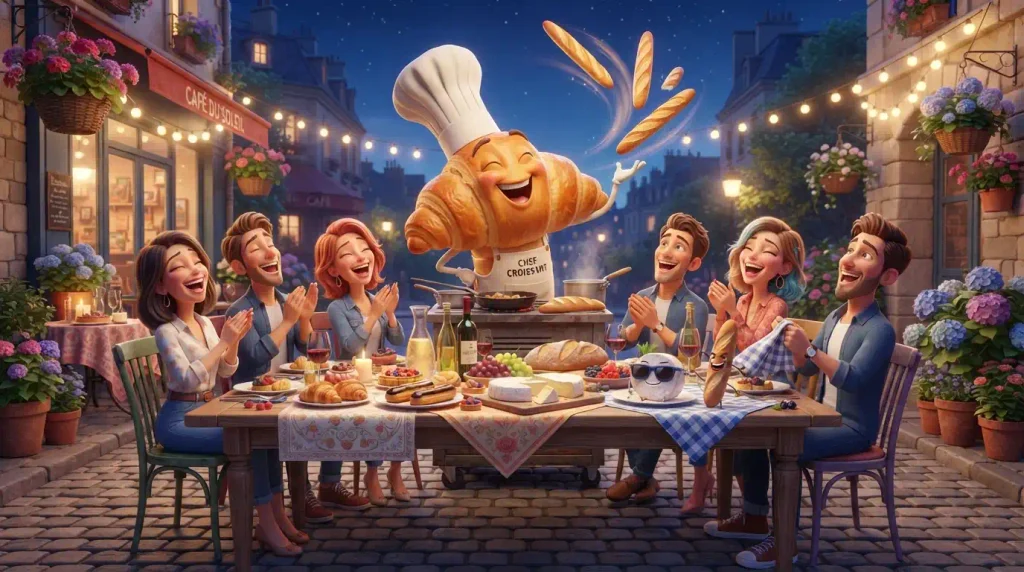
In many Western cultures, eating is simply refueling for the next task on your schedule. In France, dining is elevated to a primary form of entertainment that can span an entire afternoon.
Sharing a meal is an interactive event where culinary craftsmanship meets lively group conversation.
The Apéro Tradition: Pre-Dinner Socializing
The apéro, short for apéritif, is the informal social bridge between the workday and dinner time. Friends gather around six or seven in the evening to share small bites and light drinks.
- Nut bowls and olives: Small bowls of salted pistachios, marinated olives, and crisps keep hunger at bay.
- Savory spreads: Tapenades made from crushed olives or savory meat spreads called rillettes are smeared over sliced baguettes.
- Casual atmosphere: Unlike formal dinner parties, an apéro requires minimal cooking prep and zero seat assignments.
Why Long Sunday Lunches Are National Institutions
Sunday afternoon lunch is a multi-course ritual that routinely stretches across three or four unhurried hours. Extended families gather around large dining tables to catch up while course after course arrives from the kitchen.
The meal moves smoothly from fresh salads to roasted meats, followed by cheese platters and fruit tarts. The point is not overeating, but extending the joy of sitting together in good company.
Wine Tasting as an Accessible Hobby
You do not need to be a sommelier to appreciate regional wines during a weekend dinner. Learning which grapes grow in nearby valleys is viewed as a fun, practical life skill rather than snobbish expertise.
Locals enjoy visiting regional vineyards to meet winemakers, tour cellars, and sample new vintages. Pairing local cheeses with regional bottles turns simple grocery shopping into an educational adventure.
How French People Express and Talk About Fun
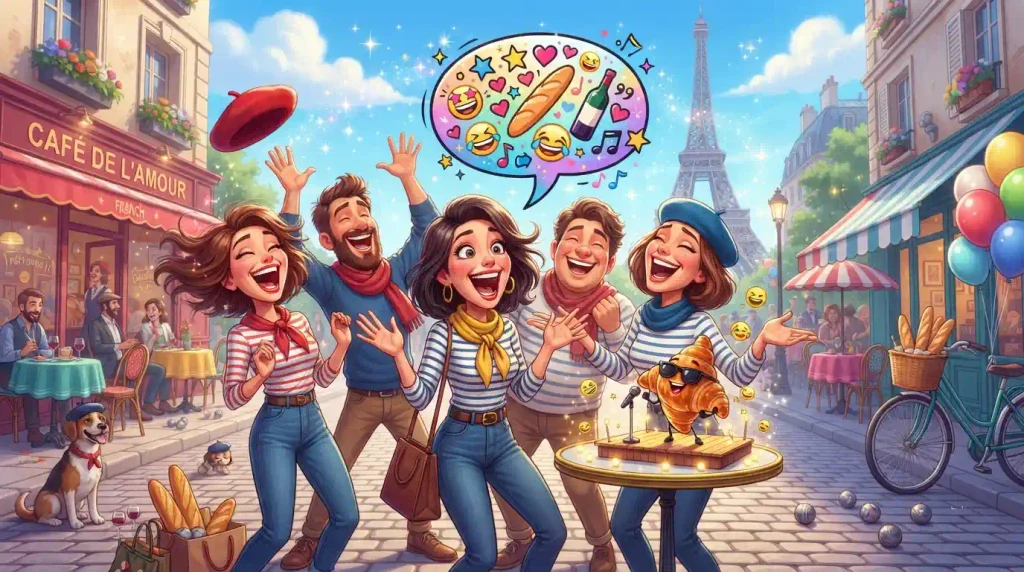
The French language features several colorful phrases and expressions specifically dedicated to having a good time. Knowing these terms helps you understand how locals talk about their favorite leisure habits.
Using these casual expressions instantly makes your French sound more natural and conversational.
Essential Vocabulary for Having Fun
Language shapes how we view our daily leisure time. Here are key phrases locals use when planning fun weekend outings with friends:
- S’amuser: The most direct translation for having fun or enjoying oneself during an activity.
- Profiter de la vie: A popular expression meaning to make the most of life and soak up good moments.
- Faire la fête: To party, celebrate a special occasion, or stay out late dancing with friends.
- Se détendre: To unwind, de-stress, or relax after completing a challenging week of work.
Slang Terms Used by Younger Generations
Younger speakers use lively street slang, known as verlan or casual jargon, to talk about social plans. Instead of formal phrases, you will hear these casual terms in cafes and student dorms.
Calling a party a teuf or describing an enjoyable event as sympa adds casual warmth to conversation. Expressing that a place has a good atmosphere is often described simply as having a great ambiance.
The Humor Style: Wit, Irony, and Playful Banter
French humor leans heavily toward clever wordplay, subtle irony, and fast-paced conversational banter. Being able to poke lighthearted fun at oneself or a situation is considered an attractive social quality.
Teasing among close friends, known as second degré, shows affection rather than disrespect. It keeps social gatherings lively, sharp, and mentally engaging for everyone around the table.
Seasonal Fun: How Leisure Changes Throughout the Year
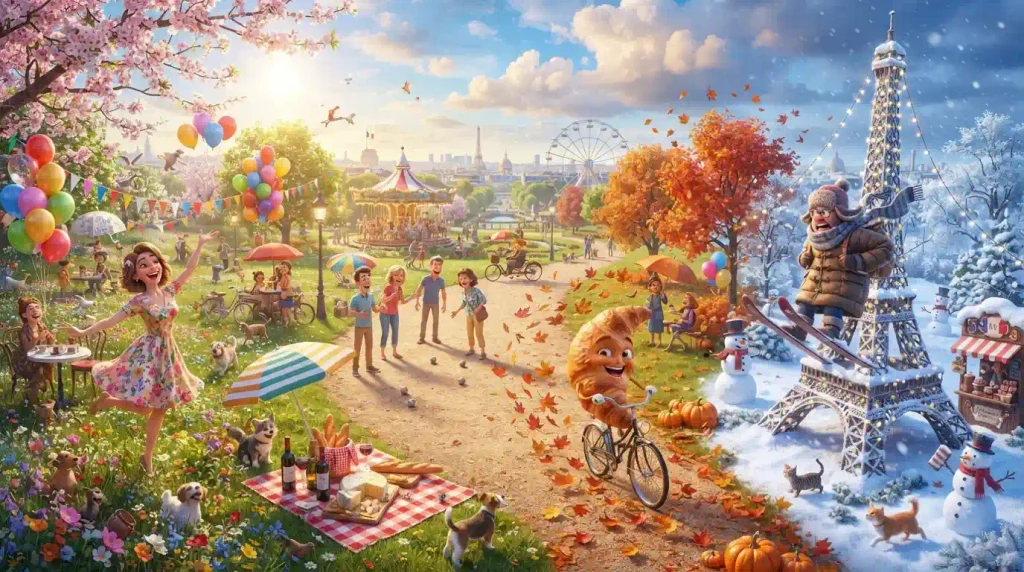
Fun in France tracks the natural rhythm of changing seasons. Weather shifts dictate whether leisure happens around outdoor fire pits or sunny riverbanks.
Adapting hobbies to nature ensures there is always something unique to look forward to every few months.
Spring and Summer: Guinguettes and Open-Air Festivals
When warm weather arrives, outdoor pop-up venues called guinguettes open along riverbanks and lake shores. These open-air taverns offer fairy lights, live music, wooden dance floors, and simple food.
Summer also brings free music festivals to almost every town plaza during the annual Fête de la Musique. Amateurs and professionals set up amplifiers on sidewalks, turning entire cities into massive block parties.
Autumn and Winter: Cozy Bistros and Ski Slopes
As temperatures drop, social life shifts indoors toward warm neighborhood bistros and dim, candlelit cafes. Long autumn evenings are spent enjoying hearty stews, board games, and rich hot chocolate.
In winter, millions head toward the Alps or Pyrenees mountains for world-class skiing and snowboarding. After skiing, people gather for après-ski meals featuring melted cheese dishes like fondue and raclette.
Vacation Culture: Les Grandes Vacances
August marks the arrival of les grandes vacances, when millions of workers take several weeks off simultaneously. Major cities quiet down as families travel south toward coastal campsites and rural stone cottages.
This massive national pause allows everyone to recharge completely before autumn arrives. It reinforces the cultural belief that rest is necessary for long-term health and creative thinking.
Nightlife and Entertainment Beyond Restaurants
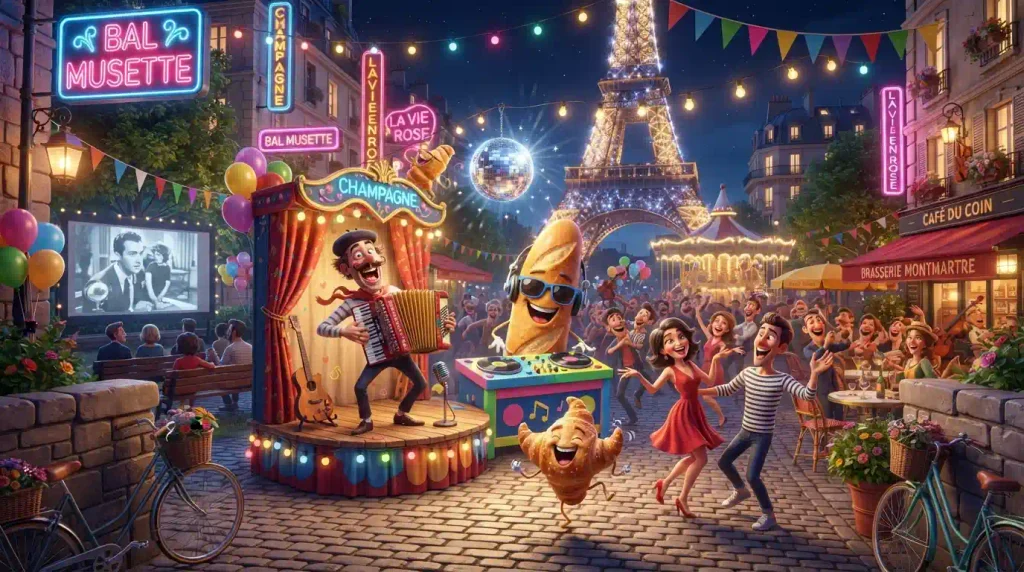
When the sun sets, French cities offer entertainment options far beyond standard dining rooms. From historic theaters to modern music venues, nighttime fun caters to every personality type.
Nightlife culture balances artistic appreciation with energetic social dancing.
Cinema as a Passionate Hobby
France treats filmmaking as a sacred visual art form rather than simple commercial content. Cinema auditoriums remain packed on weeknights, screening everything from big blockbusters to indie documentaries.
Neighborhood art-house theaters, called cinémas d’art et essai, host director Q&A sessions and film retrospectives. Discussing a movie over late-night tea afterward is part of the moviegoing experience.
Live Music Venues and Jazz Clubs
Live music plays a massive role in evening entertainment across urban centers. Intimate subterranean jazz clubs inside vaulted stone cellars host talented musicians late into the night.
Meanwhile, converted industrial warehouses hold electronic music events for younger dance crowds. Whether you love classical piano or indie rock, live performances are always within reach.
Street Performing and Urban Wandering
The act of aimlessly strolling through city streets to admire architecture and street performers is called flânerie. A person doing this, a flâneur, views urban wandering as a valid form of personal entertainment.
Busking musicians, acrobat troupes, and painter displays keep plazas vibrant long after shops close. Wandering without a set destination often leads to the most memorable evening discoveries.
How Kids and Families Have Fun in France
Family entertainment emphasizes unstructured play, fresh air, and imaginative exploration. Children are encouraged to participate in adult social settings early while developing independence.
Parents focus on building healthy outdoor habits that kids carry into adulthood.
Traditional Children’s Games in Public Parks
Public parks feature classic wooden carousels, puppet theaters, and expansive sand pits. Iconic parks like Jardin du Luxembourg offer mini wooden sailboats that kids guide across central fountains using long sticks.
Pony rides and climbing frames keep toddlers active while parents chat nearby on iconic green metal chairs. Parks are designed to make intergenerational play easy and accessible.
The Wednesday After-School Activity Ritual
In French schools, Wednesdays are traditionally reserved for extracurricular sports, music lessons, and art classes. Children spend the day practicing gymnastics, learning instruments, or attending local scout meetings.
This mid-week break from academic lectures prevents school burnout and lets kids pursue personal passions. It balances academic rigor with creative play.
Family Holiday Homes and Rural Gîtes
Many families spend school breaks staying in countryside rental cottages known as gîtes. Located in quiet farming villages, these properties allow city kids to connect with nature and farm animals.
Days are spent picking fresh berries, riding bicycles down quiet lanes, and swimming in nearby lakes. It reinforces a deep appreciation for rural heritage and simple living.
Everyday Mindset Shifts You Can Adopt Anywhere
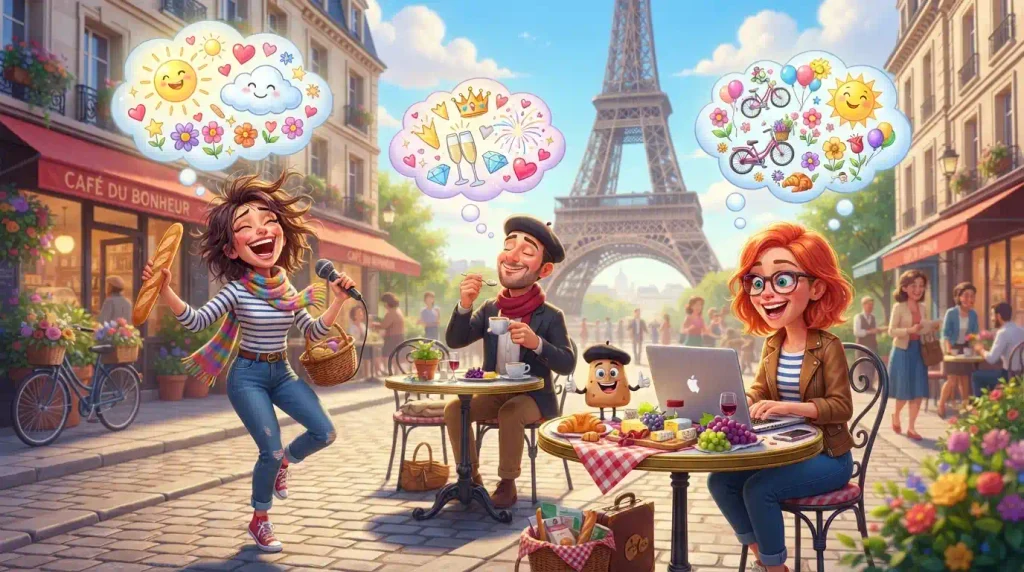
You do not need a passport or a ticket to Paris to incorporate French leisure principles into your life. Small adjustments to your daily routine can make your schedule feel far less rushed.
Here are practical ways to bring a touch of continental joy to your own neighborhood today.
Step Away from Screens During Meals
Challenge yourself to leave your smartphone in another room during breakfast, lunch, and dinner. Focusing entirely on your plate and table companions transforms eating into a relaxing sensory break.
Notice the textures and flavors of your food without digital distractions competing for your attention. You will leave the table feeling far more rested and satisfied.
Create Your Own Evening Apéro Ritual
Set aside twenty minutes before preparing dinner to wind down with a light snack and drink. Turn off news broadcasts, put on gentle background music, and chat with family members about their day.
This simple boundary creates a clear division between work stress and evening relaxation. It turns basic cooking prep into a cozy social ritual.
Make Time for Aimless Weekend Walks
Set aside one afternoon hour every weekend to go for a walk without setting a destination on your map app. Turn down unfamiliar side streets, explore local parks, or window-shop without rushing.
Embracing aimless wandering clears mental clutter and sparks creative curiosity. You will start discovering subtle charm hiding right in your local neighborhood.
Practice Exercise
Questions 1–5
- What is the traditional French concept that describes the overall art of living well?
A. Métro, boulot, dodo
B. Art de vivre
C. Haute couture
D. Raison d’être - Which outdoor game involves throwing metal balls close to a small wooden target ball?
A. Cricket
B. Pétanque
C. Bocce
D. Lawn darts - What is the small wooden target ball in pétanque called?
A. Cochonnet
B. Baguette
C. Bistro
D. Boule - What informal social event takes place before dinner featuring light drinks and small snacks?
A. Dessert
B. Apéro
C. Randonnée
D. Flânerie - What does the French verb “s’amuser” mean in English?
A. To fall asleep
B. To buy groceries
C. To enjoy oneself or have fun
D. To work overtime
Questions 6–10
- What type of pop-up outdoor tavern opens along riverbanks during summer months?
A. Boulangerie
B. Guinguette
C. Pharmacie
D. Brasserie - What is the term for aimlessly strolling through city streets to take in urban life?
A. Randonnée
B. Flânerie
C. Escalade
D. Pétanque - Which day of the week traditionally features extracurricular activities and no full school classes for young kids?
A. Monday
B. Wednesday
C. Friday
D. Sunday - What are countryside rental cottages used for family vacations called?
A. Gîtes
B. Hotels
C. Cafes
D. Kiosks - What annual summer music festival fills city streets with free live performances every June?
A. Fête de la Musique
B. Tour de France
C. Mardi Gras
D. Bastille Day
Answer Key
1: B | 2: B | 3: A | 4: B | 5: C | 6: B | 7: B | 8: B | 9: A | 10: A
FAQs
How do French people have fun on weekends?
French people spend weekends relaxing through outdoor games like pétanque, going on nature walks, and lingering over long lunches. They prioritize quality time with family, visiting local markets, and catching up with friends on outdoor cafe terraces.
What is the apéro and why is it popular?
The apéro is a relaxed early evening tradition where friends gather for drinks and light snacks before dinner. It is popular because it creates a stress-free transition from work to leisure, focusing on easy conversation without needing elaborate cooking.
Do French people work hard if they value leisure so much?
Yes, French workers are highly productive during their scheduled work hours. They focus intensely while at work, which allows them to fully step away and enjoy generous vacation time and weekends without needing to check office emails constantly.
How can beginners practice French leisure habits at home?
You can practice at home by taking longer, screen-free meals, going for aimless neighborhood walks, and hosting casual pre-dinner snack hours. Prioritizing rest, savoring good food, and making unhurried time for friends bring that leisure mindset anywhere.
What sports do French people play for fun?
Pétanque, cycling, hiking, football, and tennis are extremely popular recreational sports across the country. In coastal regions, surfing and sailing are major pastimes, while mountain regions focus on skiing and snowboarding during winter months.
Why are cafe terraces so important in French culture?
Cafe terraces serve as open-air neighborhood gathering spaces where people relax, read, or chat without feeling rushed. They allow patrons to enjoy fresh air and public life for the price of a single coffee or cool beverage.
Conclusion
Understanding how the French have fun shows us that true enjoyment comes from appreciating life’s simple, everyday pleasures. By prioritizing unhurried meals, casual park games, and meaningful conversations, they turn routine downtime into memorable experiences.
Adopting this relaxed mindset helps you slow down, reduce daily stress, and connect more deeply with people around you. Whether you start playing outdoor games or host a weekly pre-dinner snack hour, small changes bring big smiles.
Take a cue from continental culture today: step away from your computer screen, gather your favorite people, and discover how the French have fun firsthand!

Ghzala Rani is the creator and writer behind Funzonest.com, a website dedicated to making everyday topics more enjoyable, interesting, and easy to understand. With a passion for engaging content, Ghzala focuses on creating helpful articles that inform, entertain, and provide readers with useful ideas and insights.
Through Funzonest.com, Ghzala Rani aims to build a friendly online space where readers can discover fresh content and explore topics presented in a simple and enjoyable way. Her writing style focuses on clarity, originality, and reader value. She is committed to publishing well-researched and engaging content that keeps visitors informed while making their time on the website enjoyable.