The Firefly Fun House was a critically acclaimed professional wrestling television segment created by Bray Wyatt for WWE. Disguised as a cheerful children’s show complete with quirky puppets, it hid dark psychological themes, secret Easter eggs, and introduced the terrifying masked alter ego known as “The Fiend.”
Have you ever watched a television show that felt completely innocent on the outside but held terrifying secrets beneath the surface? The Firefly Fun House redefined psychological storytelling by turning a bright, children’s-style set into an eerie masterpiece of modern entertainment.
Whether you are catching up on missed lore or analyzing the show’s hidden messages, every episode of the Firefly Fun House was packed with hidden clues, brilliant pop-culture parodies, and haunting character reveals.
If you love creative media, deep storytelling, and mind-bending plot twists, exploring the Firefly Fun House will give you a whole new appreciation for performance art. Get ready for a wild ride!
What Was the Firefly Fun House?
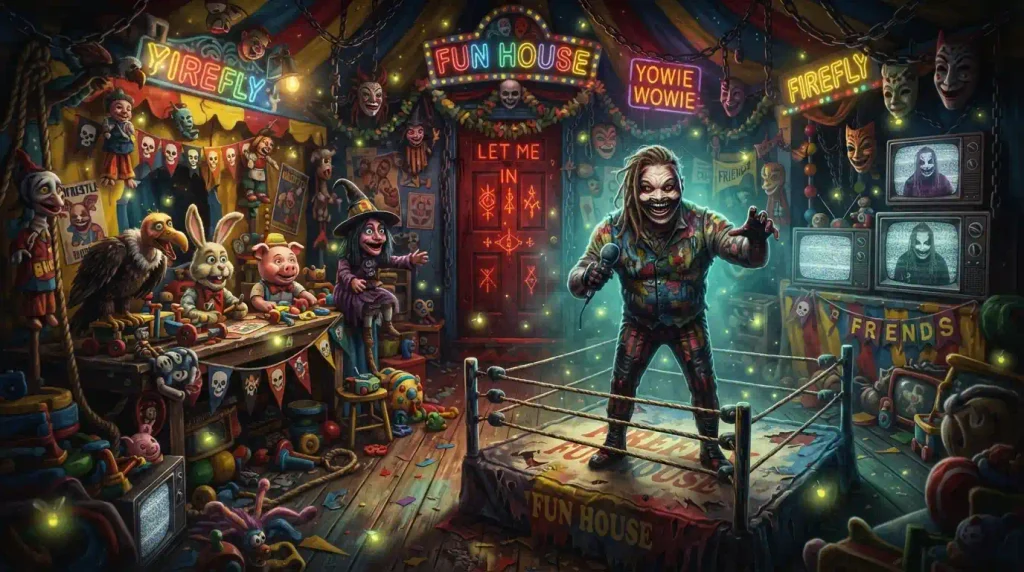
The Firefly Fun House redefined professional wrestling by bringing cinematic psychological horror directly into weekly sports entertainment. Created by the late Windham Rotunda (Bray Wyatt), this brilliant series of segments disguised itself as a friendly, colorful children’s show replete with a sweater-wearing host and quirky puppets while concealing dark lore, hidden clues, and the terrifying monster known as The Fiend. It challenged traditional storytelling norms, turning every episode into a frame-by-frame mystery for millions of fans worldwide.
The Brilliant Mask of Innocent Nostalgia
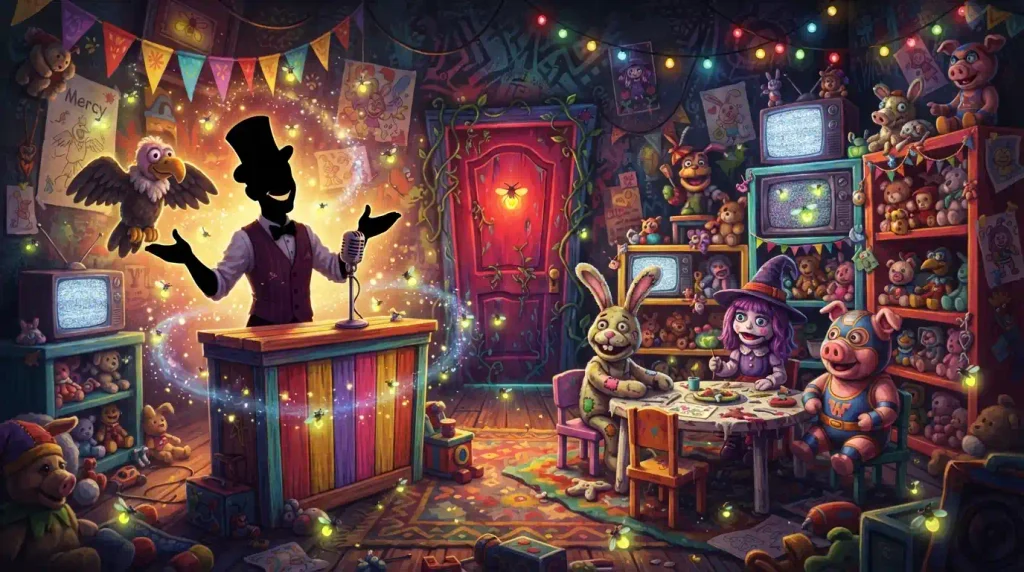
At first glance, the show mimicked classic educational television like Mister Rogers’ Neighborhood, using bright sets and gentle voices to lower the audience’s guard. This nostalgic framing created a chilling contrast when the host’s polite smile suddenly cracked into a frozen stare, warning viewers of the unhinged darkness lurking just beneath the surface.
A Cast of Psychological Puppets
The origin of the Firefly Fun House stems from a drive to reinvent character storytelling in professional wrestling. After Bray Wyatt’s cult-leader persona ran its course in 2018, Windham Rotunda took a hiatus to rethink how a wrestling character could evolve. Drawing heavily on psychological thrillers, 1980s television nostalgia, and classic horror directors like David Lynch and John Carpenter, he envisioned a concept that blended bright childhood innocence with deep-seated trauma.
Reimagining the Wrestling Vignette
Before the Firefly Fun House debuted in April 2019, televised wrestling promos typically relied on straightforward backstage interviews or direct ring call-outs. The creative team shattered this convention by producing pre-recorded, multi-layered cinematic vignettes. By formatting the segments like a children’s public-access show, they established an eerie subversion of expectations that hooked viewers immediately.
Collaboration with Horror Artists
To bring the physical elements of the vision to life, Rotunda collaborated closely with renowned special effects artist Tom Savini and creature designer Jason Baker. Together, they hand-crafted the physical puppets to embody specific psychological traits and designed the iconic, terrifying leather mask for The Fiend, ensuring movie-quality production values.
A Layered Narrative Approach
The concept was built from the ground up as a transmedia puzzle filled with deliberate Easter eggs, backward audio, and symbolic set props. Rather than delivering a simple story, the genesis of the Fun House was designed to make fans active participants, challenging them to analyze frame-by-frame details to unlock the character’s deeper lore.
Key Puppets and Character Breakdown
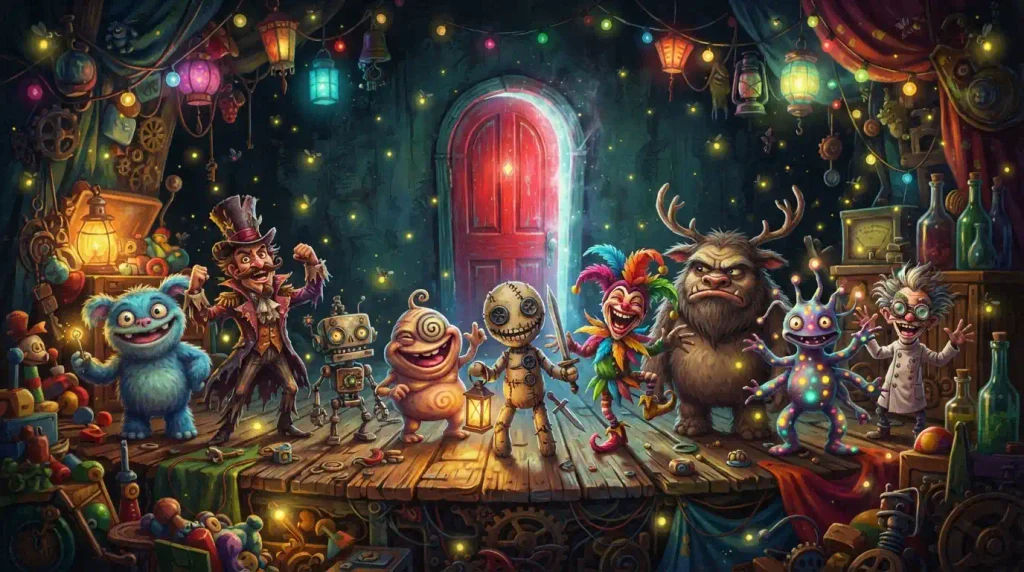
The colorful puppet cast living inside the house was far more than simple set decoration. Each puppet represented a specific physical manifestation of the host’s past character traits, personal struggles, and psychological coping mechanisms.
Mercy the Buzzard
Mercy the Buzzard was a direct tribute to classic wrestling villain Waylon Mercy and represented ruthlessness and cynical self-interest. He was often shown lurking around corners, making sarcastic comments, or trying to devour other innocent puppets when the host was not looking.
- Personality: Cynical, sneaky, and predatory.
- Visual Design: A scruffy, brown buzzard wearing a small hat.
- Symbolism: Represents unchecked aggression and cold calculation.
Ramblin’ Rabbit
Ramblin’ Rabbit served as the innocent voice of reason who constantly tried to warn viewers about the hidden dangers inside the house. Unfortunately for him, whenever he attempted to speak the truth or reveal secret plotlines, he suffered comical, violent mishaps at the hands of the host or other puppets.
Despite being crushed, blended, or eaten in almost every appearance, Ramblin’ Rabbit always returned in the next episode fully intact. His repeated survival became one of the longest-running running jokes of the entire series.
Abby the Witch
Abby the Witch was designed as a homage to Sister Abigail, a mysterious background figure from the host’s earlier cult-leader persona. Appearing as a grumpy puppet sleeping inside a wooden box, she frequently complained about being ignored and nagged the host to behave.
- Personality: Grumpy, judgmental, and mystical.
- Visual Design: A doll-like witch with dark hair and pale skin.
- Symbolism: Represents lingering guilt and unresolved past promises.
Huskus the Pig Boy
Huskus the Pig Boy represented gluttony, self-doubt, and body image struggles from the host’s early career days. He was usually shown eating endless junk food, wearing oversized T-shirts, and needing encouragement to stay active and healthy.
Through Huskus, the creator addressed real-life personal criticisms he had faced early in his career in a humorous, lighthearted manner. It showed incredible self-awareness and flipped past negativity into creative storytelling gold.
Boss Ferret (Wabbit) and Special Guest Puppets
Later episodes introduced temporary puppets like the Boss Ferret, who wore heavy sunglasses and yelled corporate commands at the host. This puppet parodied corporate authority figures and backstage management pressures that creative artists often face behind the scenes.
Other minor puppets appeared briefly during holiday specials or specific feud build-ups. Each temporary addition brought fresh comedic angles while keeping the overarching mystery intriguing.
The Dual Persona: The Host and The Fiend
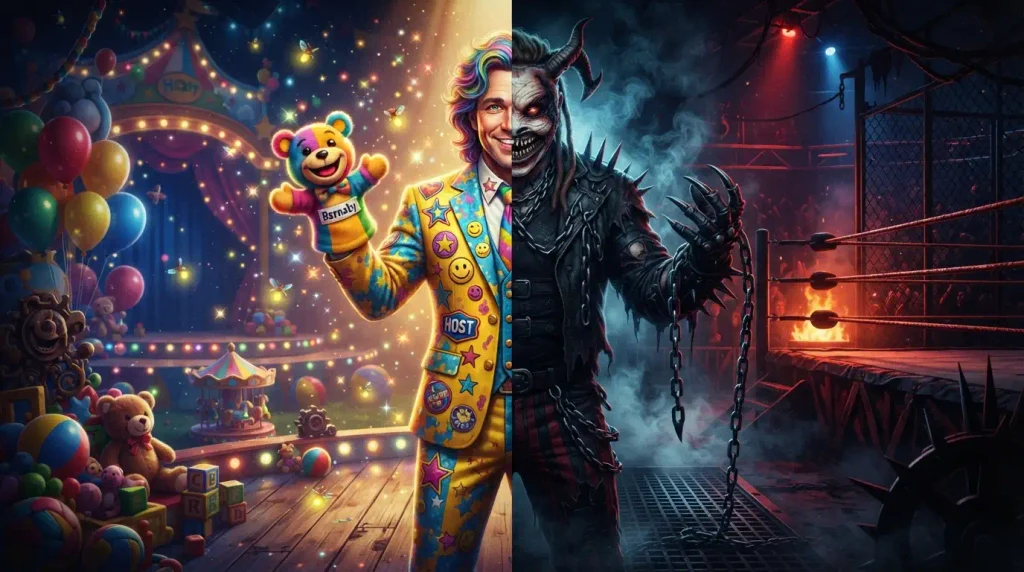
The core dynamic driving the entire narrative was the sharp contrast between the friendly host and his terrifying alter ego, The Fiend. While the host stayed safe inside his colorful studio, The Fiend was released to wreak havoc in the real world.
The Friendly Host Persona
Inside the studio, the host acted extremely polite, warm, and apologetic for past misdeeds. He spoke directly to children, led fun exercises, and taught lessons about forgiveness, teamwork, and handling anger constructively.
However, whenever negative emotions flared up, his cheerful smile would freeze into a creepy, static stare. Sudden visual glitches and distorted audio hints warned viewers that his calm exterior was rapidly cracking.
The Terrifying Transformation into The Fiend
The Fiend was a monstrous entity wearing a bone-chilling, leather-like face mask designed by legendary horror special effects artist Tom Savini. Emerging out of total darkness accompanied by distorted industrial sound effects, The Fiend possessed superhuman resistance to pain.
- Visual Appearance: Burly frame, dreadlocks, glowing eyes, and a terrifying, stitched-mouth mask.
- Signature Moves: The Mandible Claw and Sister Abigail.
- Psychological Motive: To hurt the people who had wronged the host in past years and force them to face their own internal flaws.
Hidden Easter Eggs and Hidden Meanings
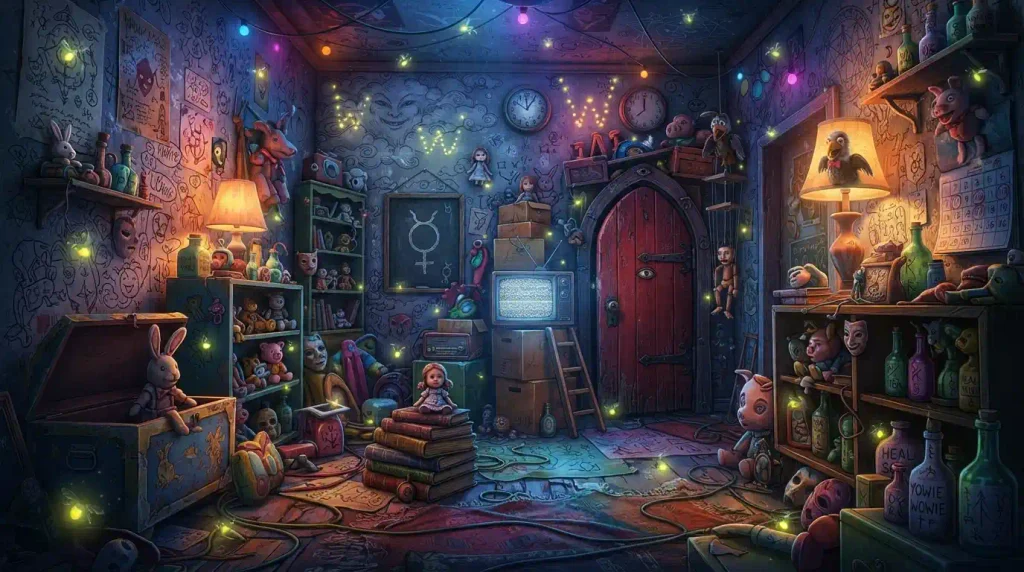
Part of what made the show an absolute viral sensation was its incredible attention to detail. Fans spent hours rewatching eight-minute clips frame-by-frame to analyze background props, hidden messages, and subtle set changes.
Clock Hands and Time Clues
A wall clock hanging in the background of the set seldom displayed the correct time. Instead, the clock hands were intentionally set to specific numbers like 3:16 or 11:19, referencing historical dates, bible verses, or key events from past rivalries.
Background Paintings and Prop Changes
The artwork hanging on the studio walls shifted regularly between scenes. Pictures of burning buildings, ancient mythological symbols, and subtle references to classic literature appeared and disappeared depending on the episode’s dark mood.
Deciphering Set Details
- The Red Glove: Symbolized hurt and violence when worn on the right hand.
- The White Glove: Symbolized healing and forgiveness when worn on the left hand.
- The Magic Marker: Used to erase past mistakes or alter reality within the narrative space.
Reversed Audio and Glitched Frames
If you slowed down the audio during sudden visual glitches, you could often hear backward messages or hidden dialogue. Single-frame flashes showed terrifying images of the mask hiding behind innocent puppet props, foreshadowing impending chaos.
The Firefly Fun House Match: A Cinematic Landmark
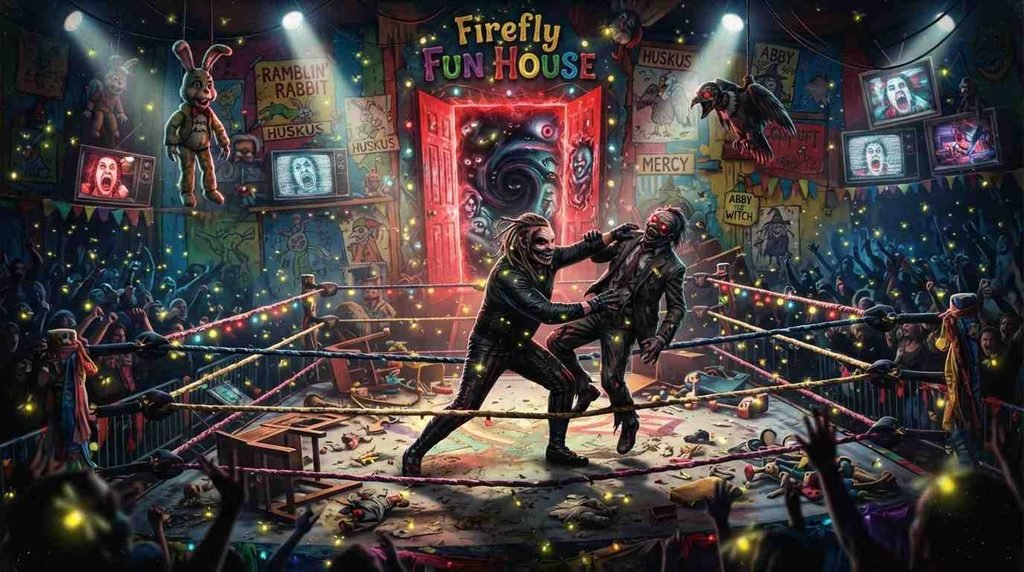
In April 2020, the concept reached its artistic peak during a flagship live event. Instead of a traditional ring battle, fans were treated to a full-length, surrealist cinematic film disguised as a match.
Deconstructing Wrestling History
During the cinematic match, the host forced his opponent through a mind-bending trip through television history. They traveled through famous eras, parodying classic 1980s promos, 1990s anti-hero segments, and failed career gimmicks along the way.
It broke the fourth wall entirely, addressing real-life fan criticisms, backstage politics, and historical booking decisions directly. It felt like an experimental art film tucked inside a mainstream sports broadcast.
Psychological Warfare over Physical Brawling
Rather than relying on body slams and punches, the segment defeated the opponent by deconstructing his psychological ego. The host exposed his rival’s deepest insecurities, hypocrisies, and personal failures on national television.
This innovative approach won massive praise from television critics and film enthusiasts outside of traditional sports circles. It proved that storytelling in sports entertainment could be as deep and nuanced as any psychological drama.
Behind the Scenes: The Creative Genius of Windham Rotunda
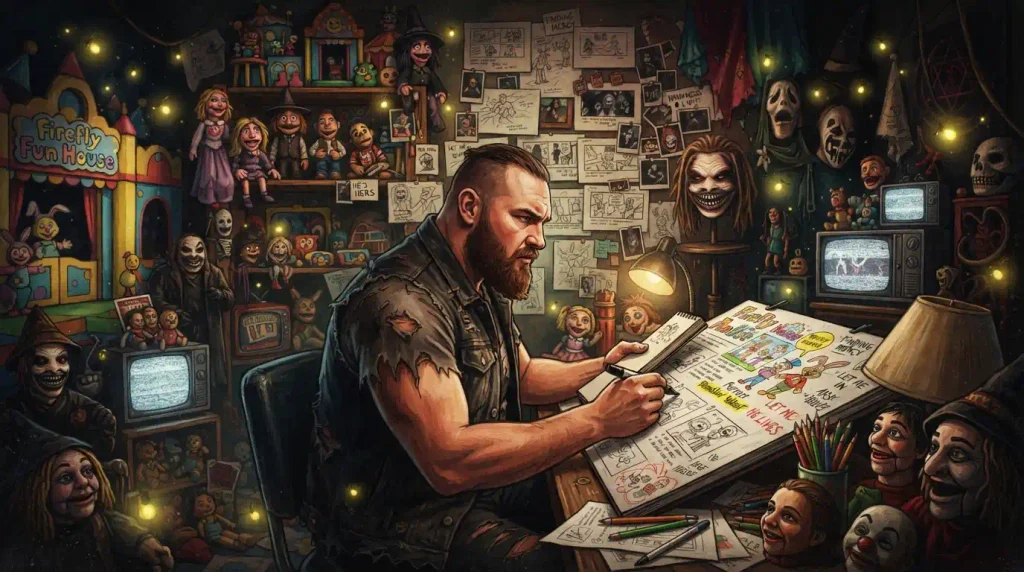
To truly appreciate the magic of the project, one must understand the brilliant mind who brought it all to life. Windham Rotunda was widely regarded by peers as one of the most visionary creative minds of his generation.
Influences from Horror and Pop Culture
Rotunda drew deep inspiration from classic horror directors like John Carpenter, David Lynch, and Stan Winston. He blended elements from psychological thrillers, dark fairy tales, and surrealist art to build a deep, cohesive universe.
Worked closely with talented artists, mask makers, and writers to ensure every single detail matched his long-term vision. He treated his character not as a simple gimmick, but as a living, breathing mythological entity.
Connection with the Fanbase
Despite playing a terrifying villain, Rotunda built an incredibly deep emotional bond with fans around the globe. His famous catchphrase, “Let Me In,” became a universal rallying cry for fans who felt like outsiders.
He encouraged viewers to look beneath the surface of his work, turning every video segment into an interactive treasure hunt for the audience. That deep level of fan engagement built a loyal, passionate community.
Firefly Fun House Key Element Overview
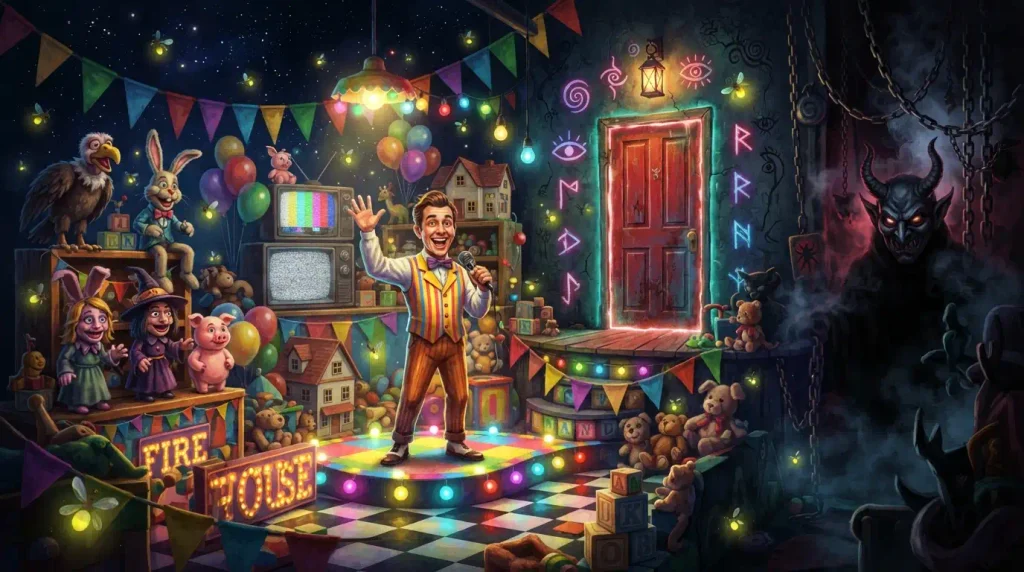
The Firefly Fun House Key Element Overview highlights the core components that turned a simple television segment into a complex psychological thriller. At the center of the lore is a careful balance between false innocence and underlying terror, structured through distinct character personas, symbolic set decorations, and multi-layered narrative storytelling. Every character, prop, and glove worn inside the colorful studio was intentionally chosen to reflect deeper themes of trauma, guilt, and vengeance.
The Host and The Fiend Dual Identity
The emotional core of the series rests on the sharp contrast between the friendly, sweater-wearing host and his horrific alter ego, The Fiend. While the host acts politely, teaches lessons, and tries to apologize for past mistakes, his terrifying counterpart emerges from the darkness to physically punish rivals, representing an unstoppable force of unresolved anger.
The Symbolic Puppet Ensemble
Living inside the studio is a cast of hand-crafted puppets that physically embody the host’s internal flaws and past character traits. Characters like Mercy the Buzzard represent ruthlessness, Huskus the Pig Boy symbolizes past body-image struggles, Abby the Witch reflects lingering guilt, and Ramblin’ Rabbit serves as the tragic voice of truth that gets repeatedly silenced.
Visual Clues and Set Symbolism
Beyond the characters, every detail on the set was crafted as an interactive puzzle for the audience to solve. Elements such as the red and white gloves representing harm versus healing, shifting background paintings, reversed audio tracks, and intentionally set clock hands provided hidden clues that expanded the storyline far beyond the weekly broadcast.
How the Concept Changed Modern Media Storytelling
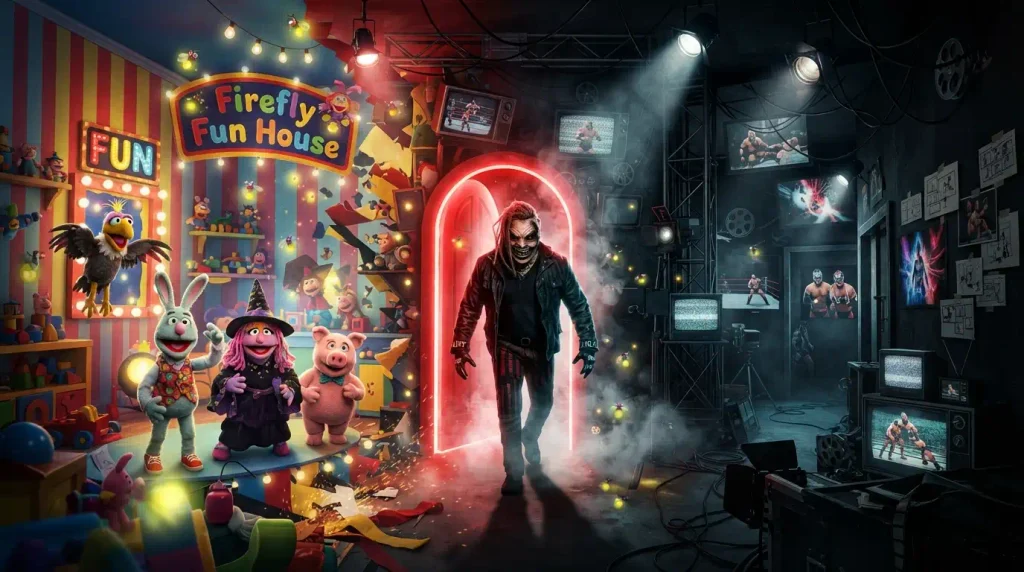
The success of this unique project sent ripples throughout the entire entertainment industry. It showed producers that modern audiences are eager for complex, serialized mysteries that require active analysis and discussion.
Popularizing Cinematic Segments
Following the overwhelming success of the cinematic match format, entertainment companies began producing more filmed, off-site segments. This opened up exciting new avenues for storytelling during live broadcasts.
- Long-Form Lore: Encouraged writers to plan character arcs years in advance rather than week-to-week.
- Transmedia Clues: Utilized social media, hidden websites, and QR codes to continue stories outside of main broadcasts.
- Genre Bending: Combined horror, comedy, and sports seamlessly into a single narrative arc.
The Legacy of Creative Freedom
Above all, the project stands as a shining example of what happens when a performer is given total creative freedom. It challenged traditional boundaries, inspired a new generation of performers, and left an indelible mark on pop culture.
Practice Exercise
Firefly Fun House & Its Characters
- When did the Firefly Fun House segment make its official television debut?
A. April 2012
B. April 2017
C. April 2019
D. April 2021 - Which puppet represented the voice of reason that was constantly destroyed?
A. Mercy the Buzzard
B. Ramblin’ Rabbit
C. Huskus the Pig
D. Abby the Witch - Who designed the terrifying leather mask worn by The Fiend’s alter ego?
A. Tom Savini
B. Stan Winston
C. Rick Baker
D. Guillermo del Toro - What famous children’s television show served as a primary visual inspiration?
A. SpongeBob SquarePants
B. Mister Rogers’ Neighborhood
C. Blue’s Clues
D. Teletubbies - Which puppet was created as a homage to the character Sister Abigail?
A. Boss Ferret
B. Mercy the Buzzard
C. Abby the Witch
D. Huskus the Pig Boy
Symbols, Catchphrases & The Fiend
- What symbol on the host’s gloves represented healing and forgiveness?
A. The Red Glove
B. The Black Glove
C. The White Glove
D. The Gold Glove - What type of bird was the puppet named Mercy?
A. An Eagle
B. A Buzzard
C. A Raven
D. An Owl - What was the famous catchphrase associated with the Fiend character?
A. You Can’t See Me
B. Let Me In
C. Acknowledge Me
D. Burn It Down - How did the host win the cinematic Firefly Fun House Match in 2020?
A. By pinfall after a ladder jump
B. By submission in a steel cage
C. Through psychological deconstruction of his opponent
D. By disqualification after a referee stoppage - What character trait did Huskus the Pig Boy primarily represent?
A. Pure Greed
B. Extreme Laziness
C. Gluttony and past body insecurities
D. Reckless Anger
Answer Key
- C | 2. B | 3. A | 4. B | 5. C | 6. C | 7. B | 8. B | 9. C | 10. C
FAQs
What was the main story behind the Firefly Fun House?
The main story centered on a host trying to suppress his dark past through a cheerful children’s show. However, his internal darkness could not be contained, manifesting as his terrifying alter ego, The Fiend, who punished past enemies.
Who created the puppets used in the show?
The puppets were designed and crafted by legendary creature designer Jason Baker alongside special effects master Tom Savini. They worked closely with the performer to bring his vivid, eerie concept sketches into physical reality.
Why did Ramblin’ Rabbit die so many times?
Ramblin’ Rabbit’s constant deaths were a dark comedy running gag representing the silencing of truth. Whenever he tried to warn the audience about the host’s dangerous secrets, he suffered a sudden, hilarious disaster.
What made the Firefly Fun House match so special?
The 2020 match was special because it was a fully scripted, surrealist cinematic film rather than a physical ring fight. It deconstructed decades of wrestling history, pop culture tropes, and real-life backstage drama in a brilliant psychological showcase.
Is the Firefly Fun House still airing today?
No, the original segment ended following character transitions and the tragic passing of creator Windham Rotunda. However, its legacy lives on through tributes, homage characters, and modern cinematic storytelling techniques across media.
What do the red and white gloves represent?
The red and white gloves represent the internal conflict between harm and healing. The red glove on the right hand symbolized pain and destruction, while the white glove on the left hand represented mercy and correction.
Conclusion
Exploring the intriguing universe of the firefly fun house reveals how brilliant storytelling can transform standard media into unforgettable art. From handcrafted puppets and secret Easter eggs to the terrifying presence of The Fiend, the series captured the imaginations of millions worldwide.
Whether you enjoyed the dark comedy or spent hours deciphering hidden clues in the set, the show remains a high-water mark for creative freedom and surrealist entertainment.
Don’t let the mystery end here! Share your favorite Firefly Fun House theories with fellow fans today, rewatch those classic episodes, and celebrate the visionary genius that brought this legendary world to life!
Ghzala Rani is the creator and writer behind Funzonest.com, a website dedicated to making everyday topics more enjoyable, interesting, and easy to understand. With a passion for engaging content, Ghzala focuses on creating helpful articles that inform, entertain, and provide readers with useful ideas and insights.
Through Funzonest.com, Ghzala Rani aims to build a friendly online space where readers can discover fresh content and explore topics presented in a simple and enjoyable way. Her writing style focuses on clarity, originality, and reader value. She is committed to publishing well-researched and engaging content that keeps visitors informed while making their time on the website enjoyable.